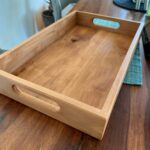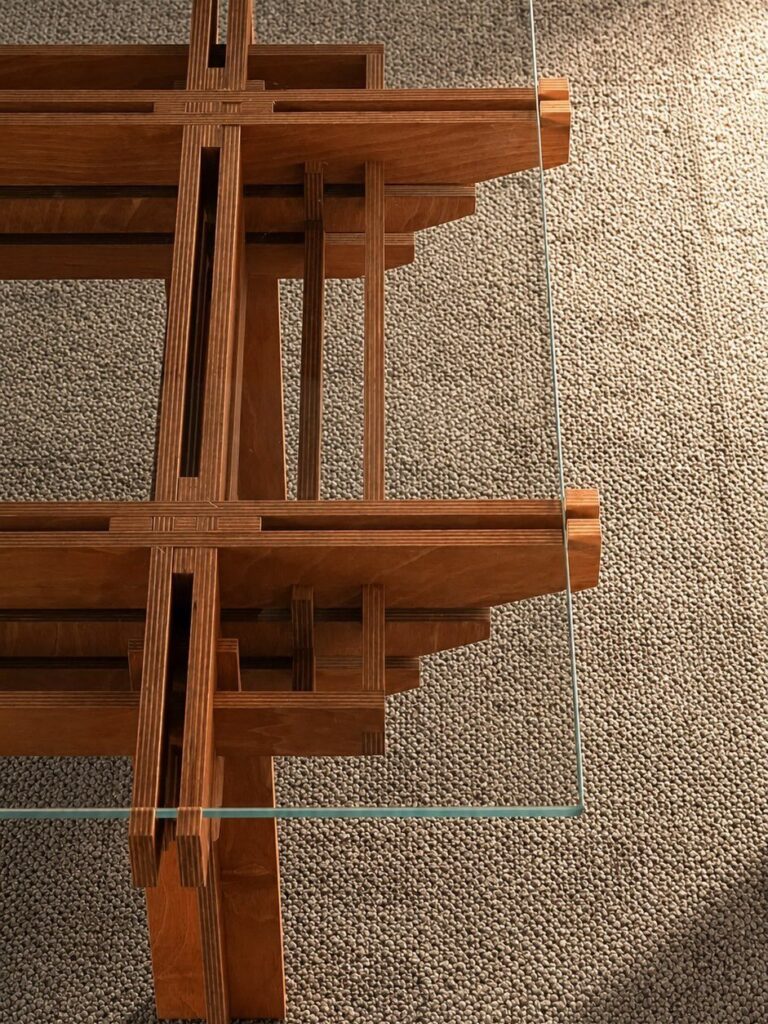
The list covers 3 tables: an interlocking wooden base under glass, a light wood frame with traditional joinery, and a live-edge slab with a butterfly joint, so your pick depends on how much of the cutting you want to do by hand.
Exposed mortise and tenon joints ask for the most patience, since the tenon has to fit a hole you chiseled first.
Glass over an interlocking base shows every gap, so pick the idea that fits the precision you can reliably hold with the tools you own.
1. Interlocking Wooden Base with Glass Top
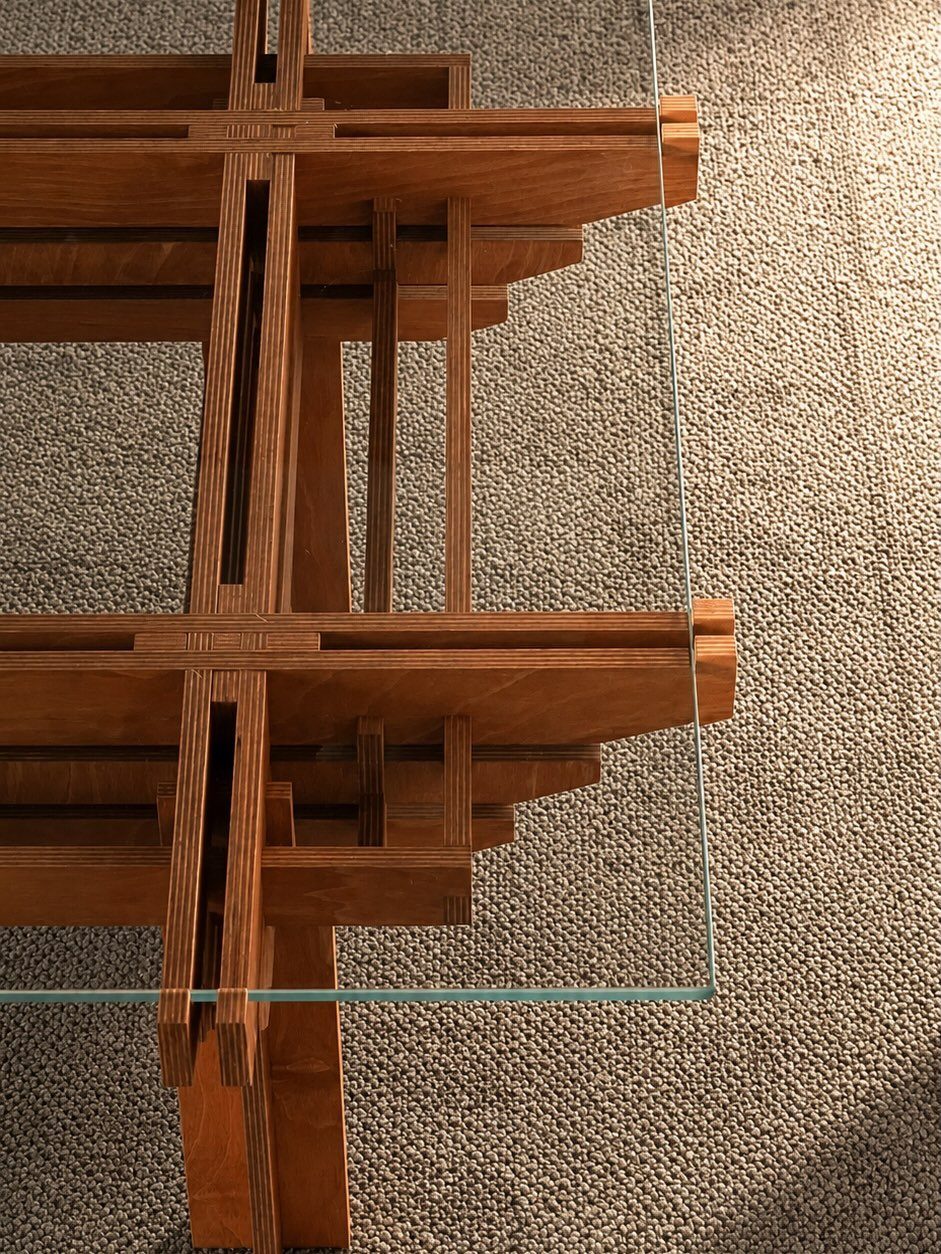
Glass over an open wooden base lets the joinery stay in full view, and that is the reason I like this build.
Every beam crossing is visible from above, so the fit has to be clean; a gap that a solid top would hide shows right through glass.
Cut the interlocking joints snug and dry-fit the whole base before any glue.
For a first try, a simple cross-lap is a forgiving place to start. Have the glass cut after the base is done, so you can size it to the finished frame.
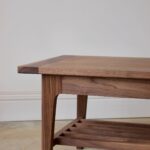
2. Light Wood Frame with Joinery
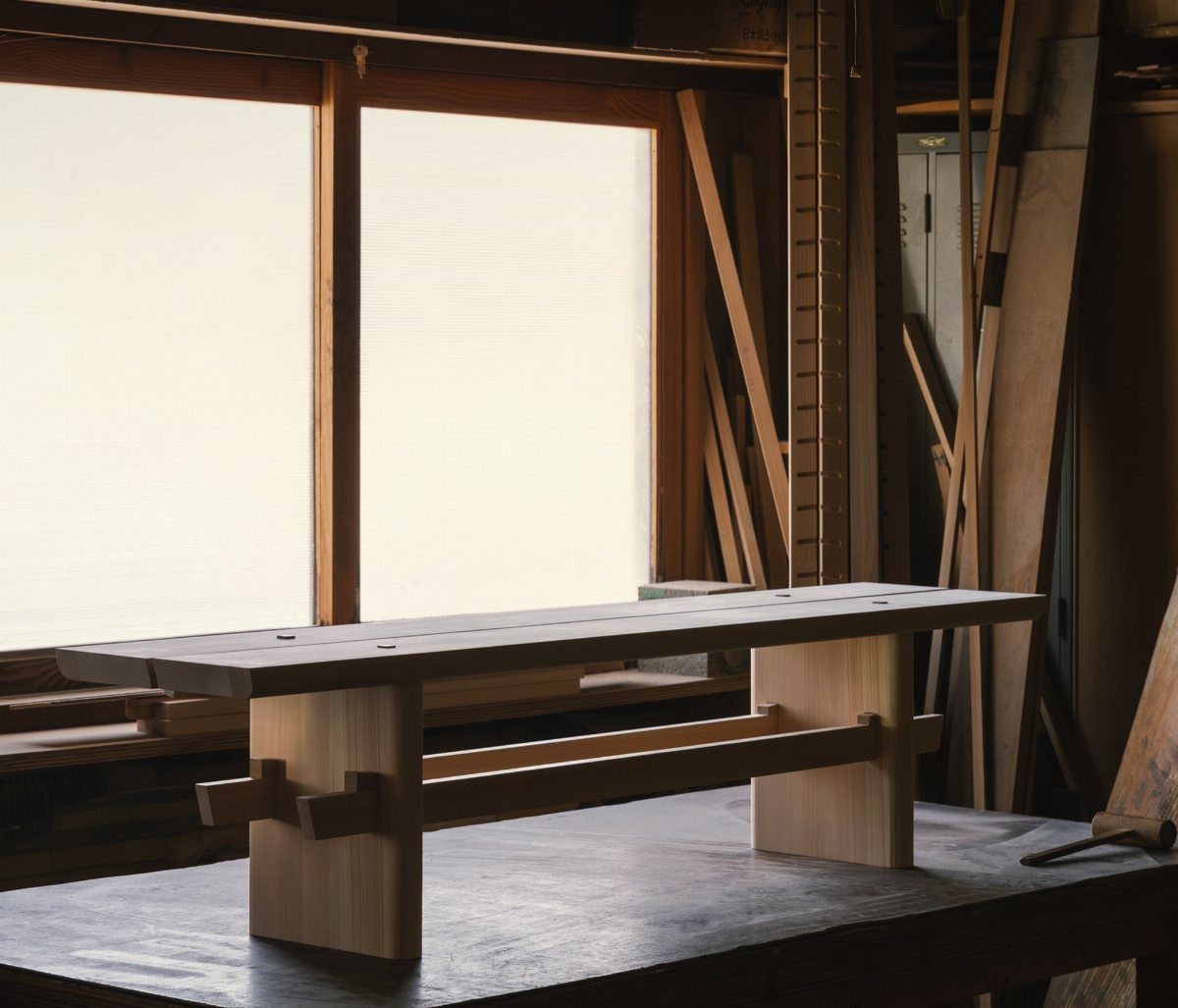
Light wood lets exposed mortise and tenon joints become the decoration, but they ask for the most patience of any joint here, so I’d save this one for a second table rather than a first.
A pale solid wood stays quiet, so the joint lines carry the design.
Cut the mortise first, then fit the tenon to it, because paring a tenon down is easier than fixing a sloppy hole. Test the fit on scrap before touching the good boards.
I would finish it with a clear coat so the wood stays light. Stain would hide the very thing you worked to show off.
The design is really straight-forward–nothing more than mortise and tennon joints on everything except a 1/2 lap in the center where the 2 pieces cross. The finish is several coats of Watco and wax to bring up the lustre.
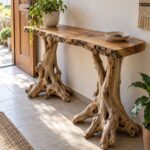
3. Live-edge Slab with Butterfly Joint
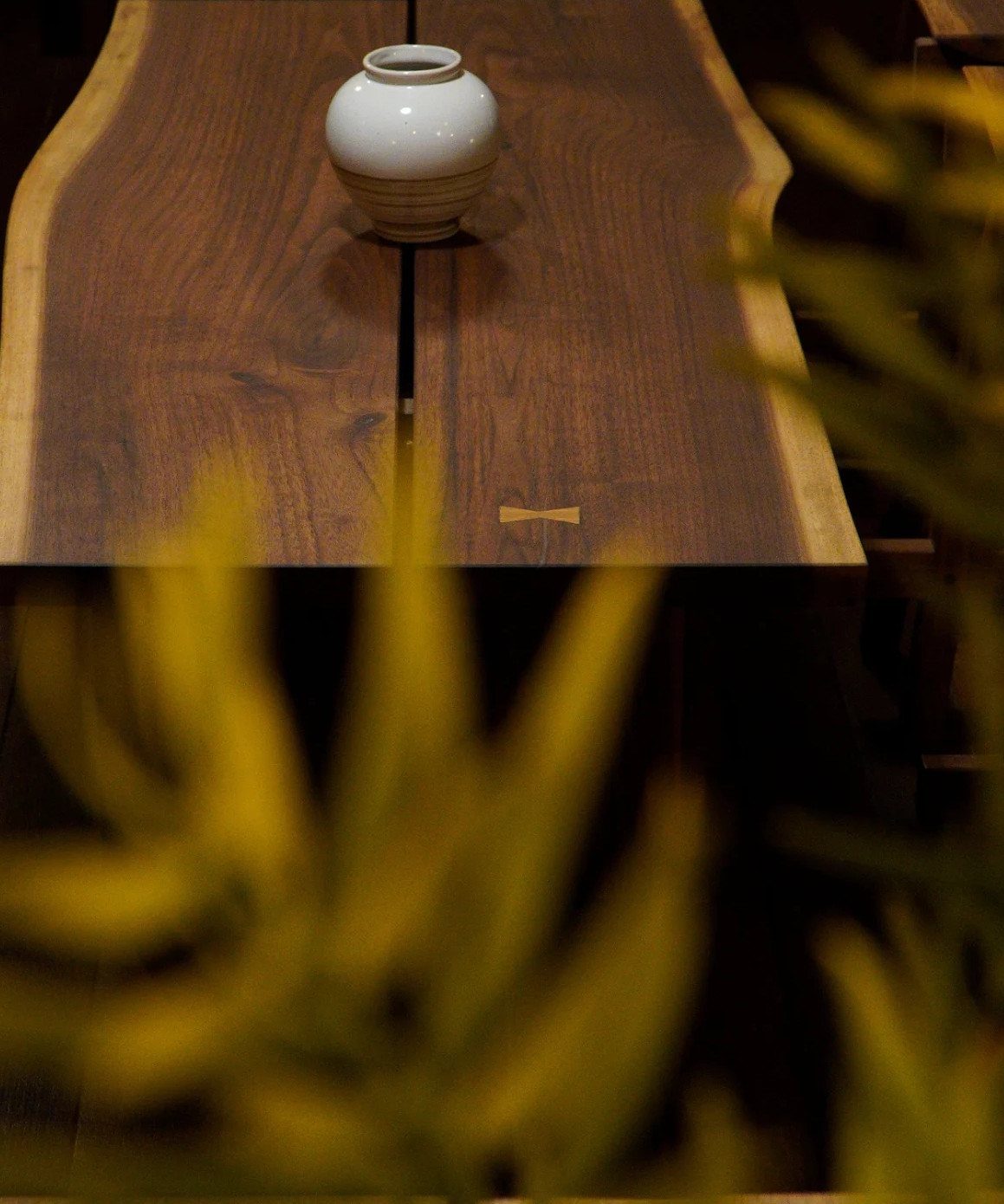
Dark live-edge wood with a pale butterfly joint pulls the eye to the one spot that holds the slab together. The contrast is the appeal, so pick a lighter wood for the butterfly than the slab.
Trace the butterfly onto the slab, rout or chisel the recess to match, then glue the inlay in. A tight fit matters more than speed here.
This is the most forgiving idea on the list for a weekend, since a single slab replaces a whole framework of joints. Keep the live edge unsanded for a natural look.
Incorporating Into Your Space
Styling decides whether a Japanese-style table looks calm or crowded. Pick one of those, not all three.
Low seating keeps the look grounded. A tatami mat or a low sofa sits at the right height beside the table, while a tall sofa makes it feel undersized.
Leave enough clear floor around the table to walk and sit comfortably.
Openness is the whole appeal, so if you have to turn sideways to pass it, the table is too big for the room, or the room has too much in it.
Finding Authentic Tables
Buying one is harder than it sounds, especially outside Japan.
Etsy and 1stDibs both carry handcrafted tables. Read the reviews and ask the seller what the wood is before you pay.
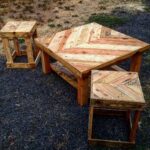
On a tighter budget, build one.
Reclaimed wood and basic carpentry skills can produce a handsome table. Aim to capture the spirit of Japanese design, not to copy a traditional piece perfectly.
If you build from a published plan, check its terms first. Many are for personal use only, so you can make one for your own home but not to sell.
Frequently Asked Questions
What makes a Japanese style coffee table unique?
Simplicity and a tie to nature set it apart. These tables sit low to the ground, are usually made from woods like hinoki or sugi, and keep surfaces clean and unadorned.
Western tables lean toward height and ornate detail, while this style puts the craftsmanship and the natural material up front. Exposed joinery, like a cross-lap or mortise and tenon, often becomes the decoration.
Can I sell furniture I build from a published Japanese coffee table plan?
Usually not. A lot of plans carry a personal-use license, which means the table you build can sit in your own living room but can’t go up for sale.
Read the fine print before you sell anything, because some designers spell out that their plans can’t be duplicated, passed along, or used to make pieces for profit. Read the terms before you buy or build.