Your skill level and your scrap pile decide which to build first, and coasters, ornaments and phone stands are the easy ones to start with.
The list runs from coasters, phone stands and log bunnies made from small scraps to jewelry boxes, end tables and a slab chandelier that needs wiring and a higher price.
If your cuts are still uneven, start with pieces that sell in sets, like coasters or a Christmas village bundled in groups of 3 or 5, and save the fussy builds until your joints come out clean.
1. Cutting Boards
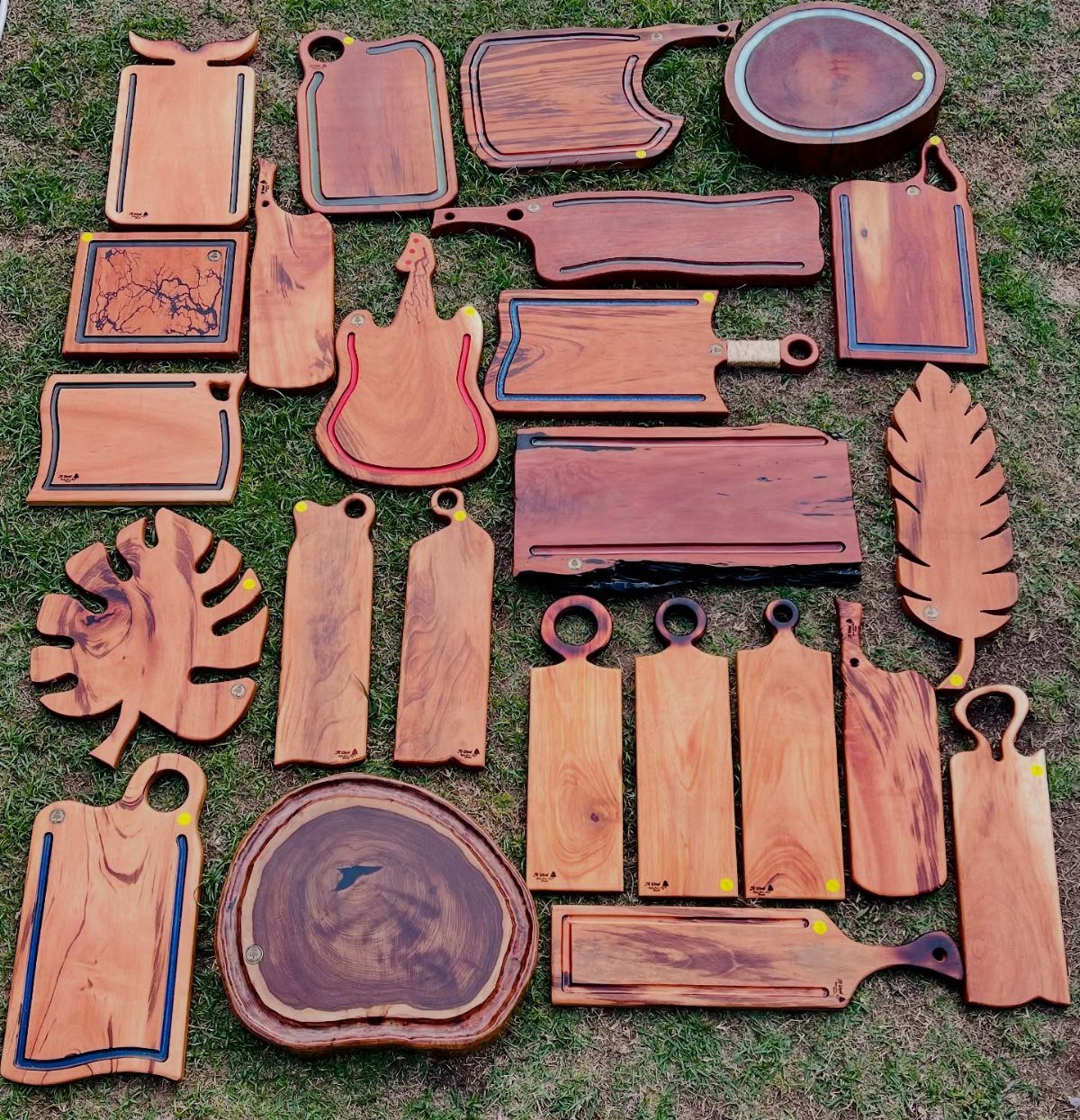
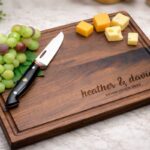
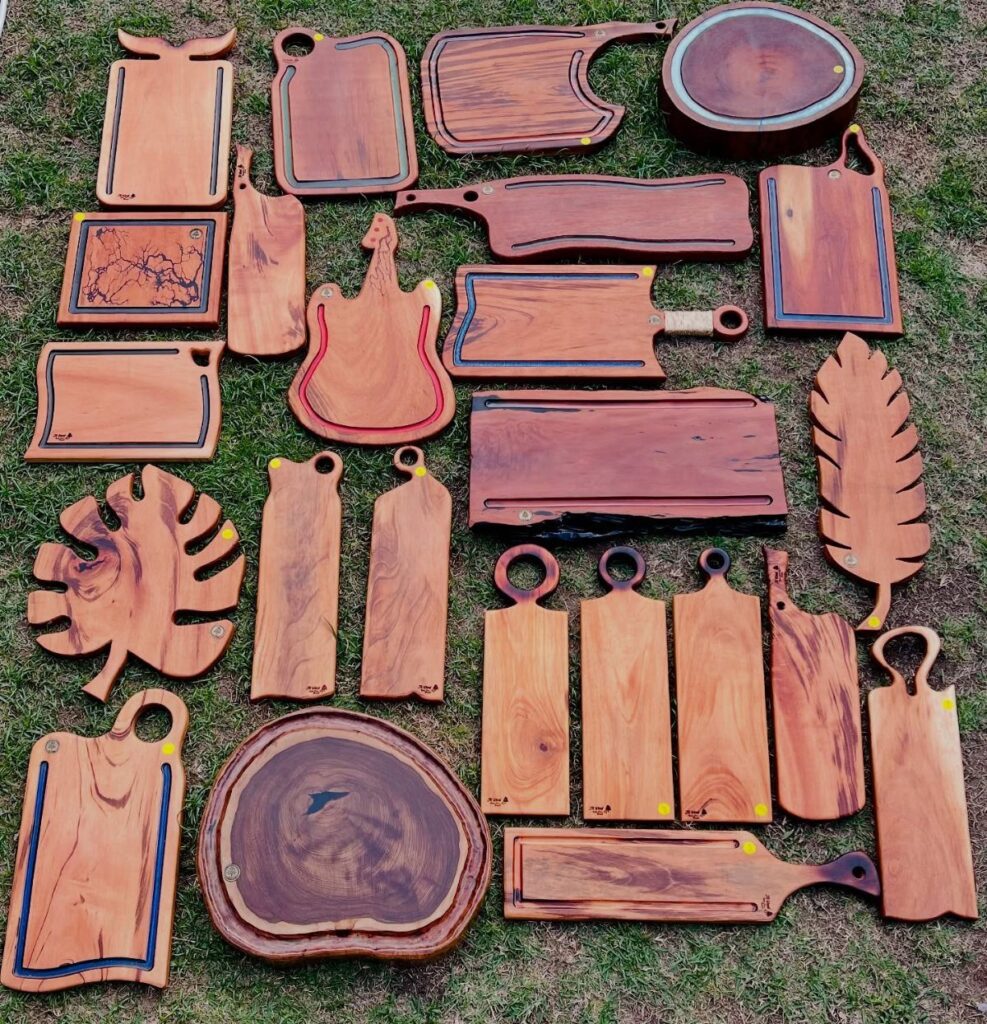
Cutting boards are the staple I’d start with, because every kitchen needs one and buyers already know what they cost.
A single board can be a rectangle, a leaf, or a guitar, and the shaped versions give a table full of plain rectangles something to stand out from.
Shapes that double as serving platters, like a paddle with a handle hole or a long rectangle, sell best because buyers can use them on the counter and at the table.
A cutout silhouette is easy to cut with a jigsaw or a scroll saw, and it photographs well for online listings. Sand the edges until they feel soft in the hand.
2. Wine Racks
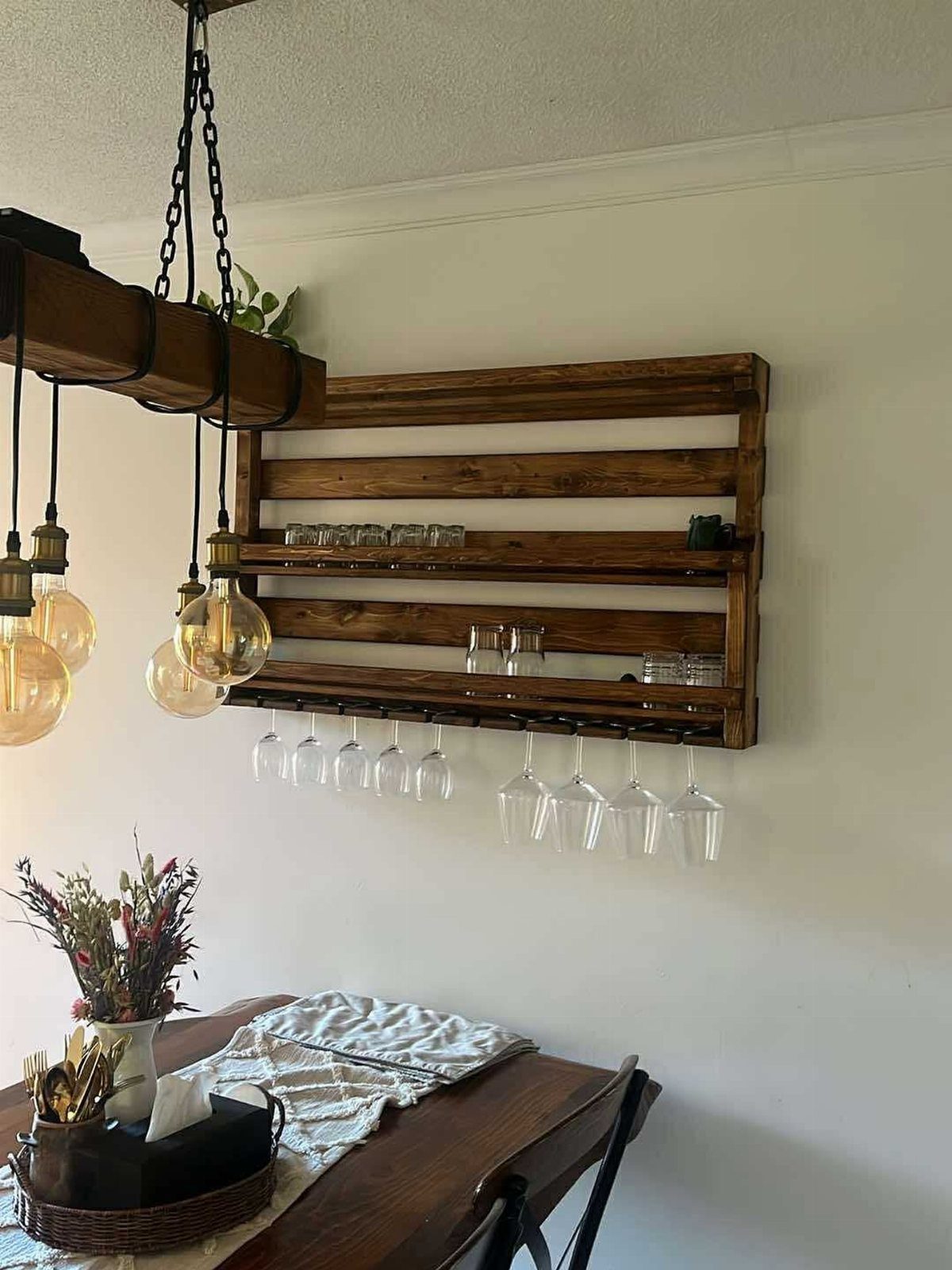
A wall-mounted rack that holds hanging stemware as well as bottles gives you two functions in one piece, and that’s the version I’d build.
Wine lovers and people who host dinners will buy it for the display as much as the storage.
Keep the build simple: a single board with slots or a rail for glass stems, mounted flat to the wall. Selling it with the hardware included saves your buyer a trip to the store.
3. Wooden Signs
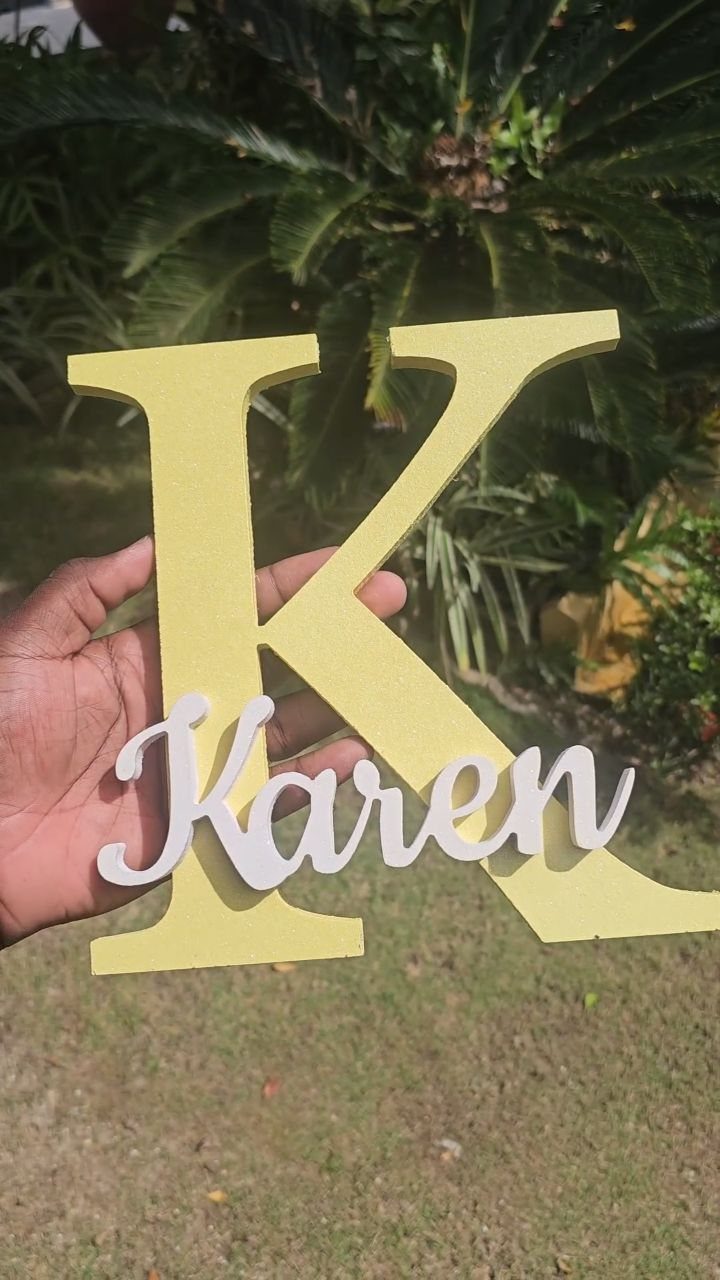
Personalization is what sells a wooden sign. A single letter with a name in script across it, like a big "K," gets bought as a gift because it can’t be bought off a shelf anywhere else.
Cut the letter from a board, paint it a solid color, and finish the name in white. Offering a few colors and any name a customer asks for turns one pattern into endless orders.
Practice the script on scrap first. Lettering is where the hours go.
4. Entryway Organizers
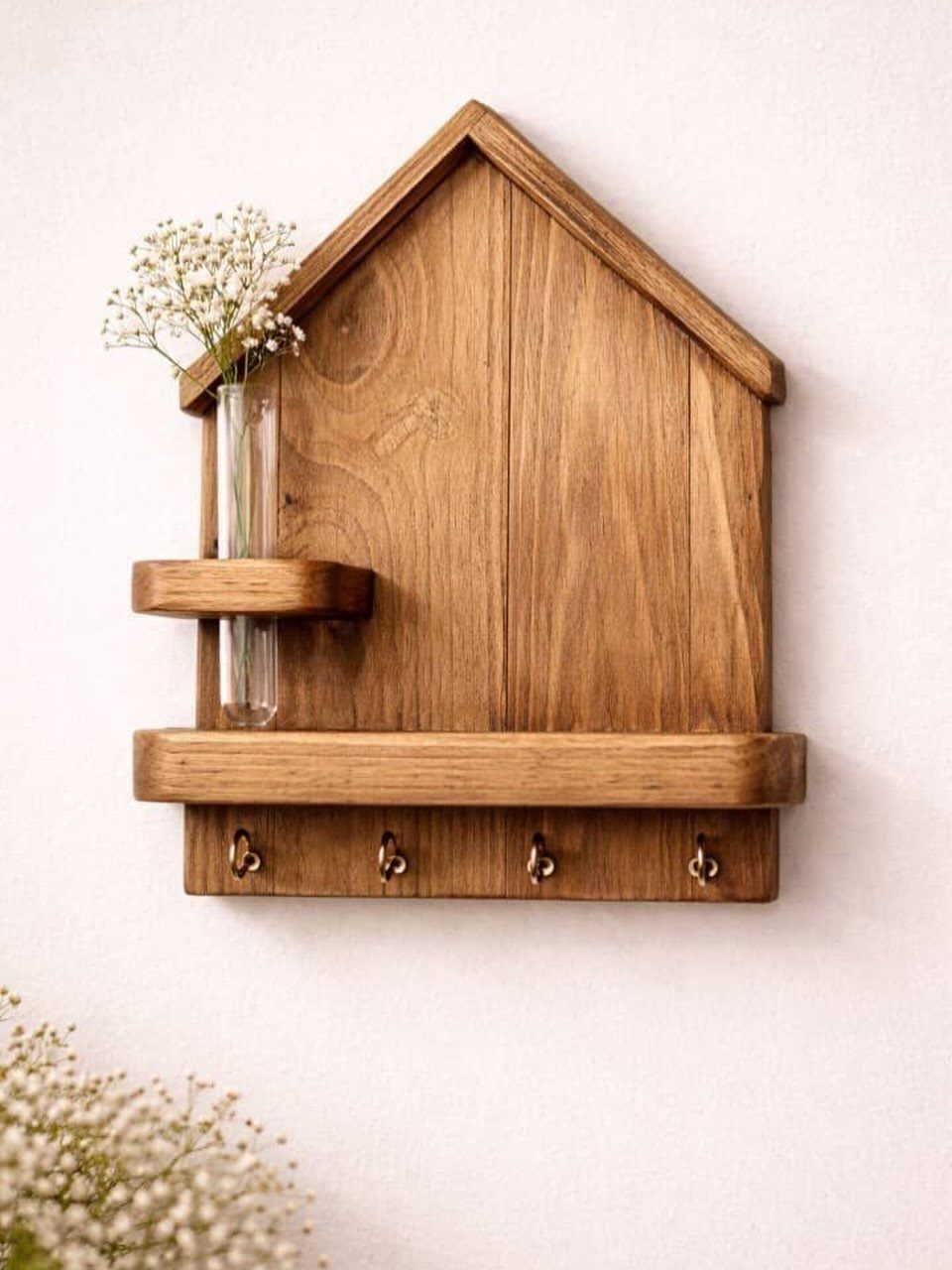
A row of hooks, a small shelf and a house-shaped backboard give a small entryway a spot for keys, coats and a vase, so one build covers three jobs.
Buyers like it because it solves clutter and looks like decor at once.
For an afternoon build, cut the house shape from one board and add a narrow shelf on top of it.
4 metal hooks can be screwed straight into the board. Mount it on a wall stud, or use anchors, since coats get heavy.
5. Candle Holders
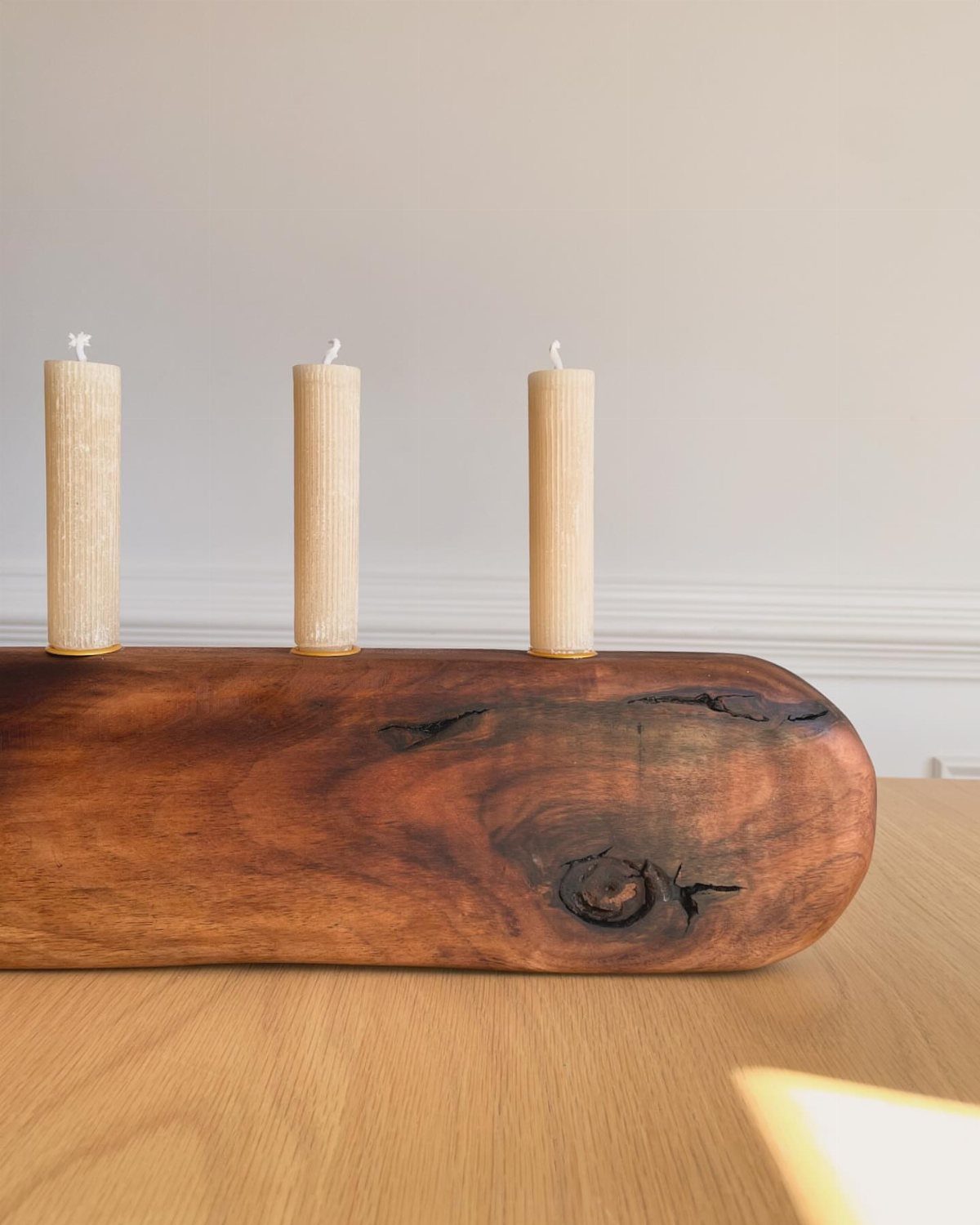
Candle holders are about the easiest wood project to sell, since a log base with a few carved recesses is nearly done once it’s cut. Natural wood means no two are the same, and buyers notice that.
I’d go with a dark stain and a polished finish, which lets pillar candles in cream or beige stand out. Drill or carve the holes to fit the candle’s width.
Keep a real flame well away from the bare wood edges.
6. Coasters
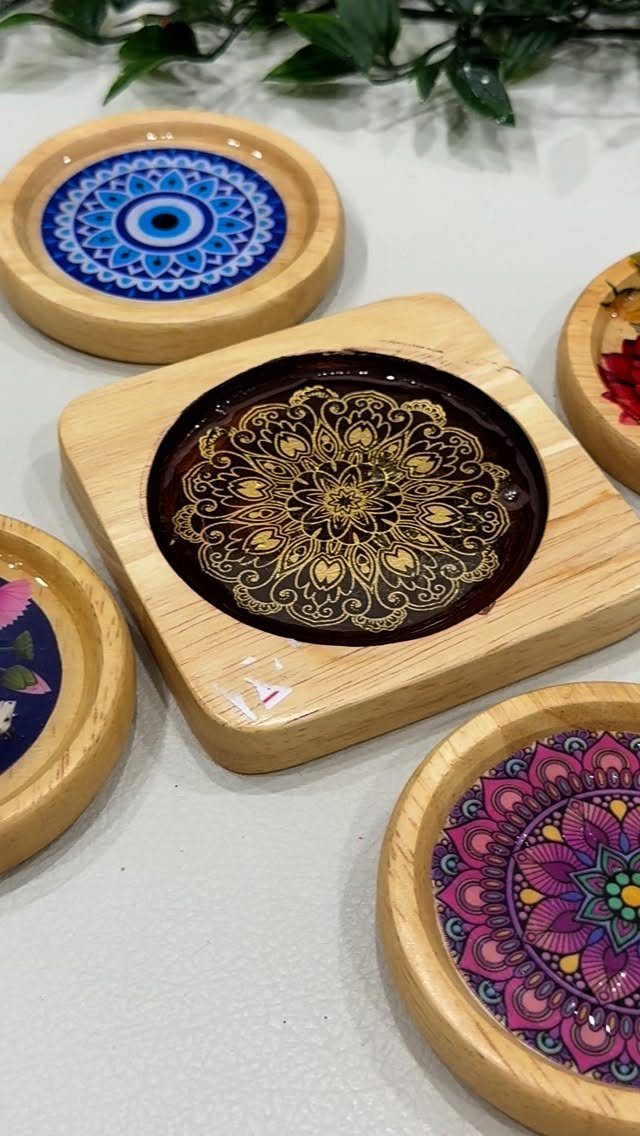
Coasters are fast, cheap to make, and they sell best in sets. Four or six in a bundle looks like a gift, and one design repeated across a set gets a better price than single pieces.
Decorative patterns like mandalas can be burned or painted into a shallow recessed circle, which also keeps a glass from sliding. Mix round with a square one for variety if you like.
Seal the surface so condensation doesn’t mark them.
7. Birdhouses
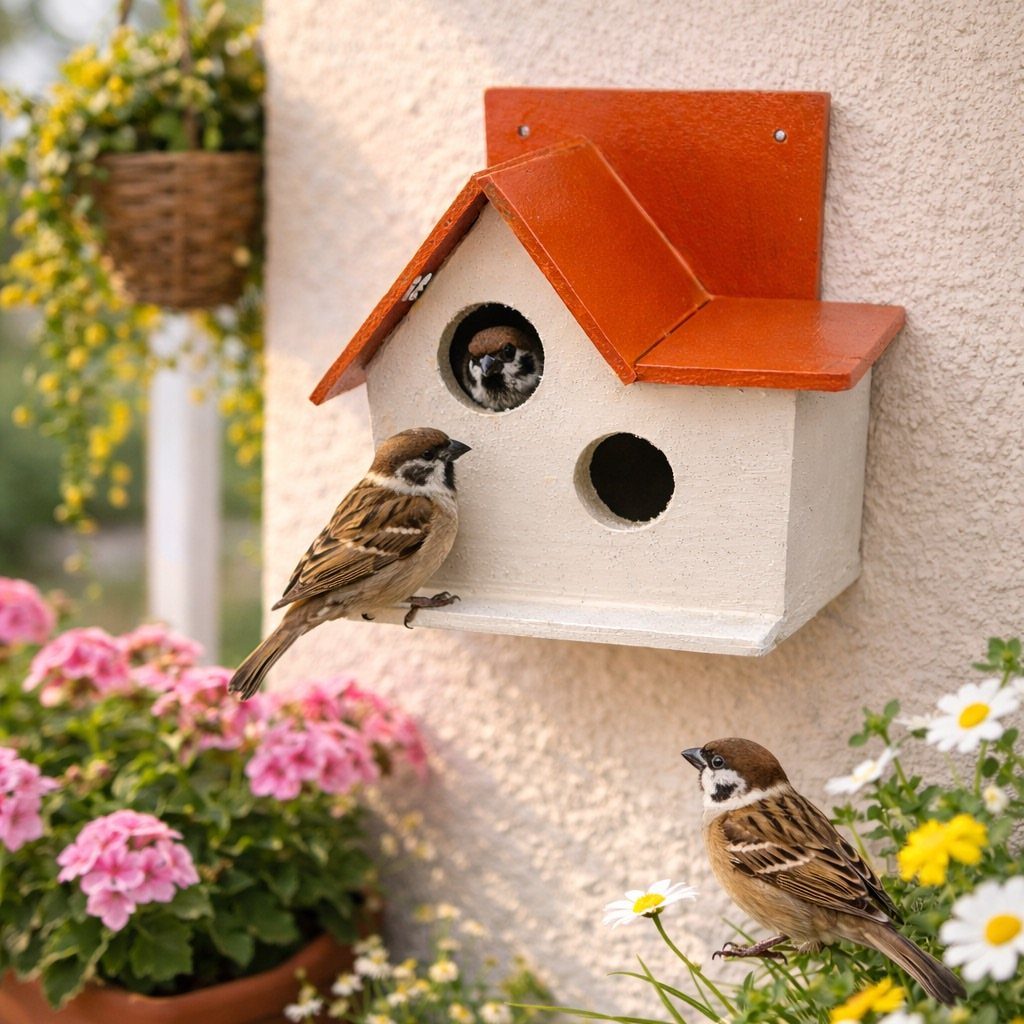
A birdhouse is a garden item buyers already want, and a simple one with a pitched roof in a contrasting color sells on looks alone.
Keep the shape basic: walls, a two-panel roof and a single entry hole. Paint the roof a different color from the walls and you have a design that is easy to repeat in batches.
8. Wall Shelves
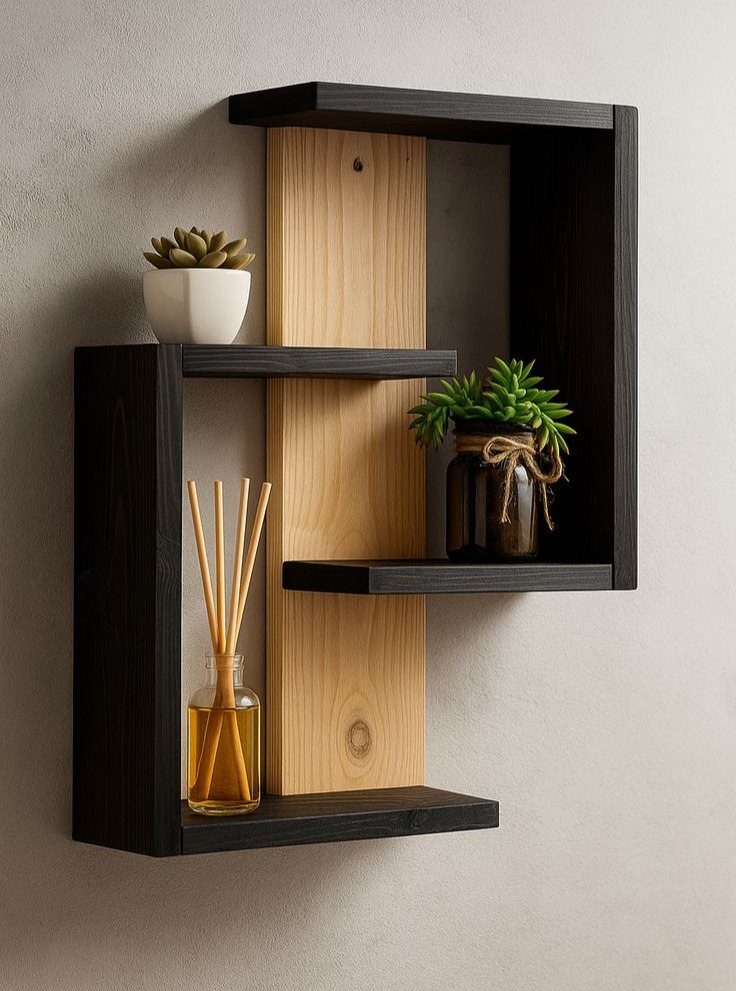
Two-tone shelves pair a black finish with natural wood, and that contrast is what makes a plain board look designed. Geometric shapes, like angled or stepped sections, hold small plants and a diffuser without needing much depth.
Staining half the pieces black and leaving the rest natural lets one cut list produce several looks.
Sell them in pairs or sets for a bigger order. Small wall shelves also use up scrap, which suits a tight budget.
9. Jewelry Boxes
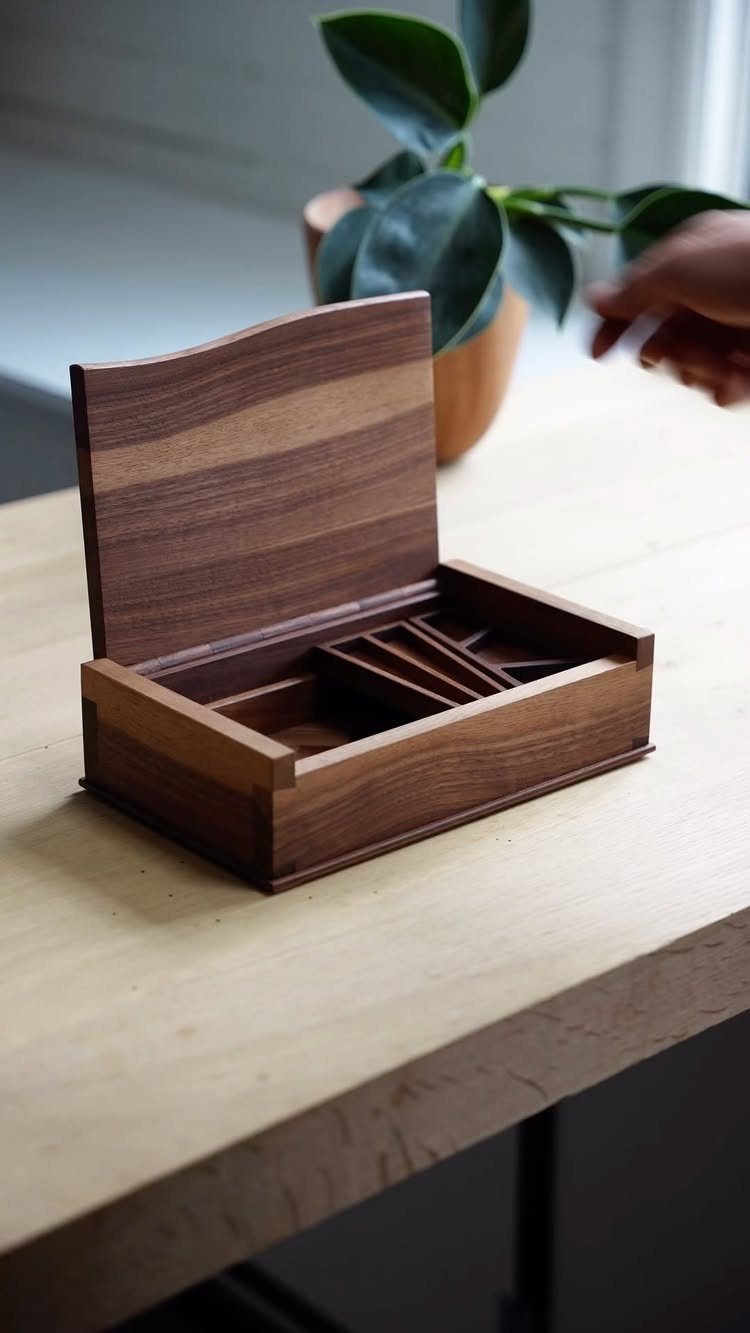
A jewelry box with a curved lid and fitted compartments feels like a real gift, and that is where the price comes from. Dark wood on the outside with dividers inside keeps rings, earrings and chains from tangling.
This is a step up in difficulty, so I’d save it for after a few simpler sellers.
Dividers are the fussy part; cut them slightly snug and sand until they slide in. A curved lid takes patience, but a flat lid is a fair start.
10. Wooden Phone Stands
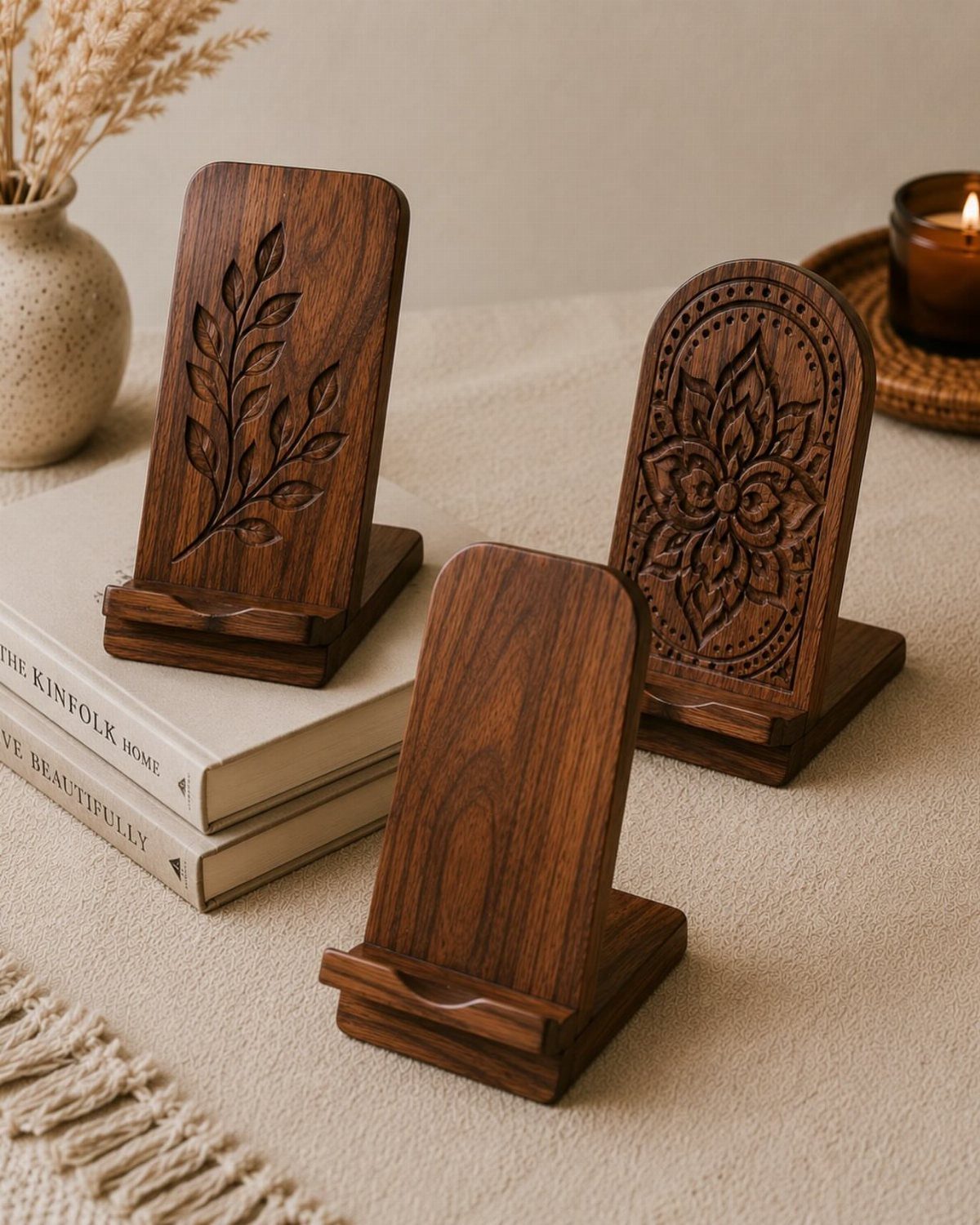
Phone stands are small, fast and cheap to make, which makes them a good add-on at a craft table.
A carved dark brown stand holds a phone upright on a desk or nightstand, and a slot or angled cradle is all the function it needs.
Make three or four at once, since a set of matching pieces looks better displayed than a single one. Sand the slot edges smooth so they never scratch a phone.
11. Wooden Planter Boxes
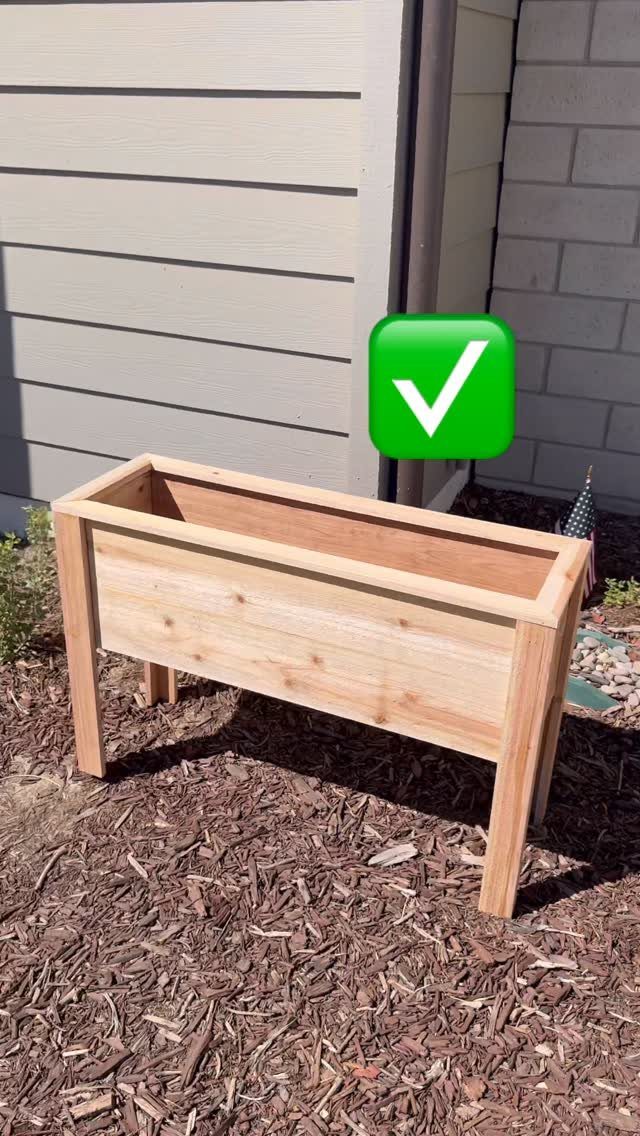
A planter box on legs keeps plants off the ground and at a comfortable height, and gardeners pay for that. Light wood fits most house walls and patios, so it is an easy style to sell.
Build it as a rectangle with a raised frame, and drill drainage holes in the bottom so soil doesn’t stay soggy.
Exterior sealer helps the wood last outdoors. Lumber costs add up, so price with the materials in mind.
12. Blanket Ladders
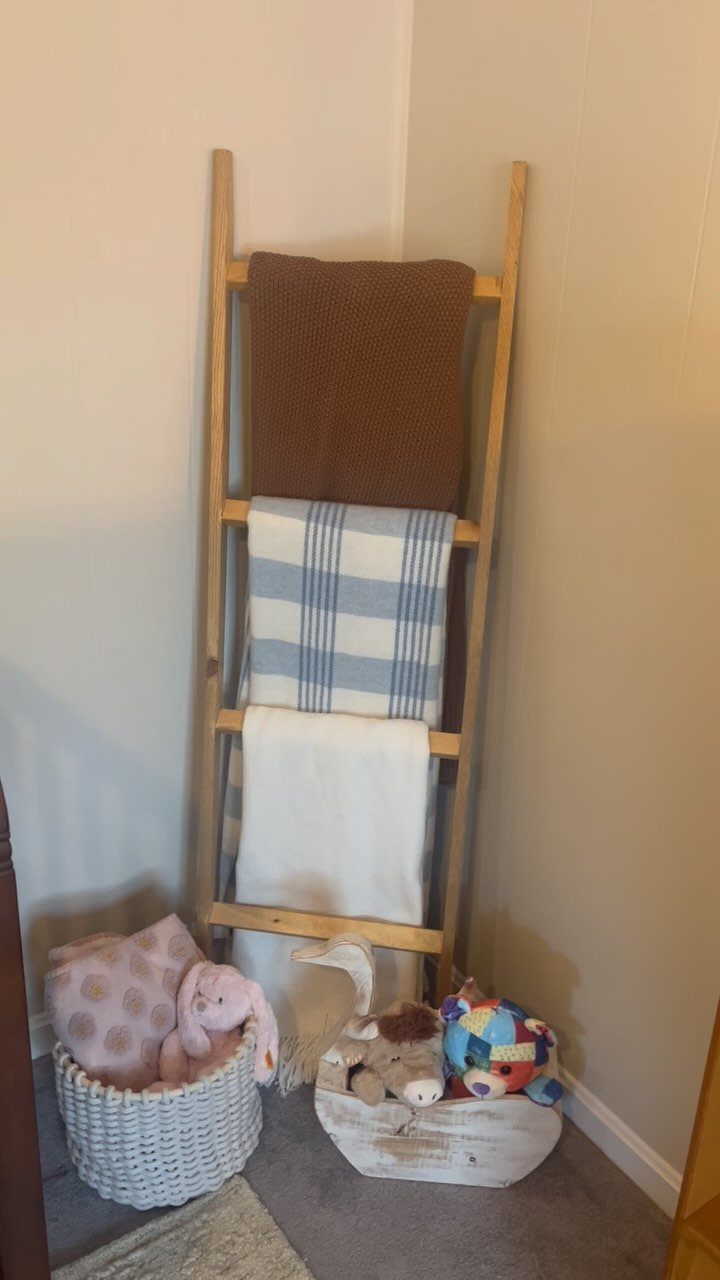
A blanket ladder is just 2 rails and a few rungs, yet it gives buyers a place to hang throws and fills an empty wall corner.
It leans against the wall, so there is no mounting, which makes it appealing to renters.
Space the rungs far enough apart that a folded blanket drapes over each one.
Round the rung edges and sand them smooth so they don’t snag yarn. Sell it with a note on how to lean it safely.
13. Wooden Cookbook Stands
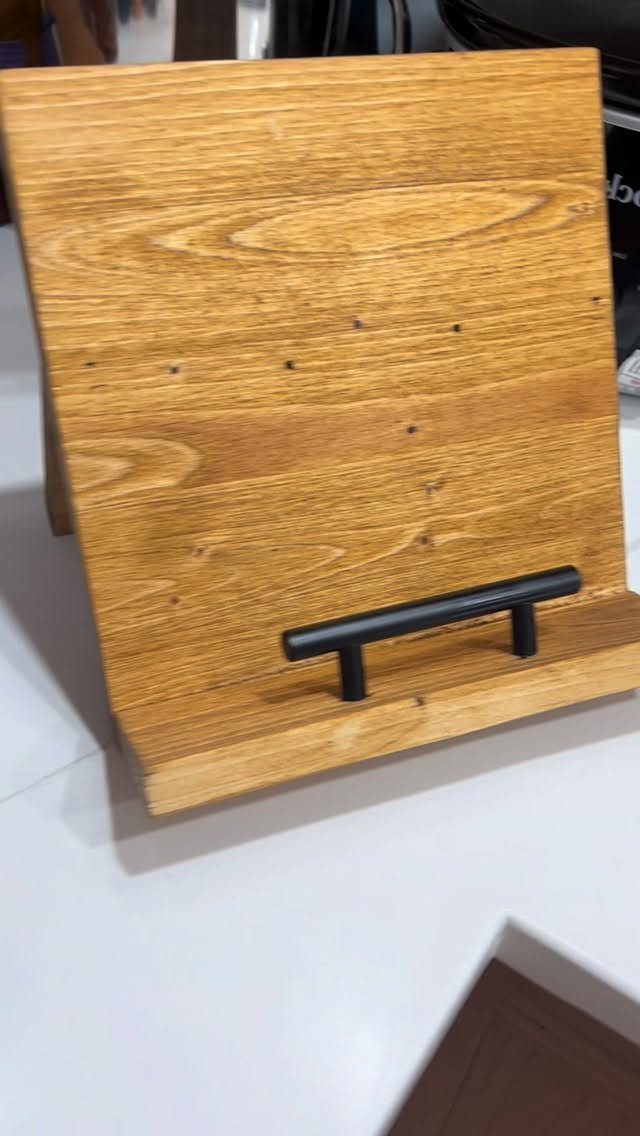
A cookbook stand holds a recipe at reading height and keeps pages out of the flour.
The black metal ledge on a wooden base gives the book a firm lip to rest on, and that pairing looks good on a white counter.
Cut a sloped back so the book leans slightly, and keep the base wide enough that it won’t tip when the book is open. Sand the wood smooth and seal it, since kitchens mean splashes.
Small, light and quick to build, it suits a beginner’s table.
14. Wooden Storage Bins
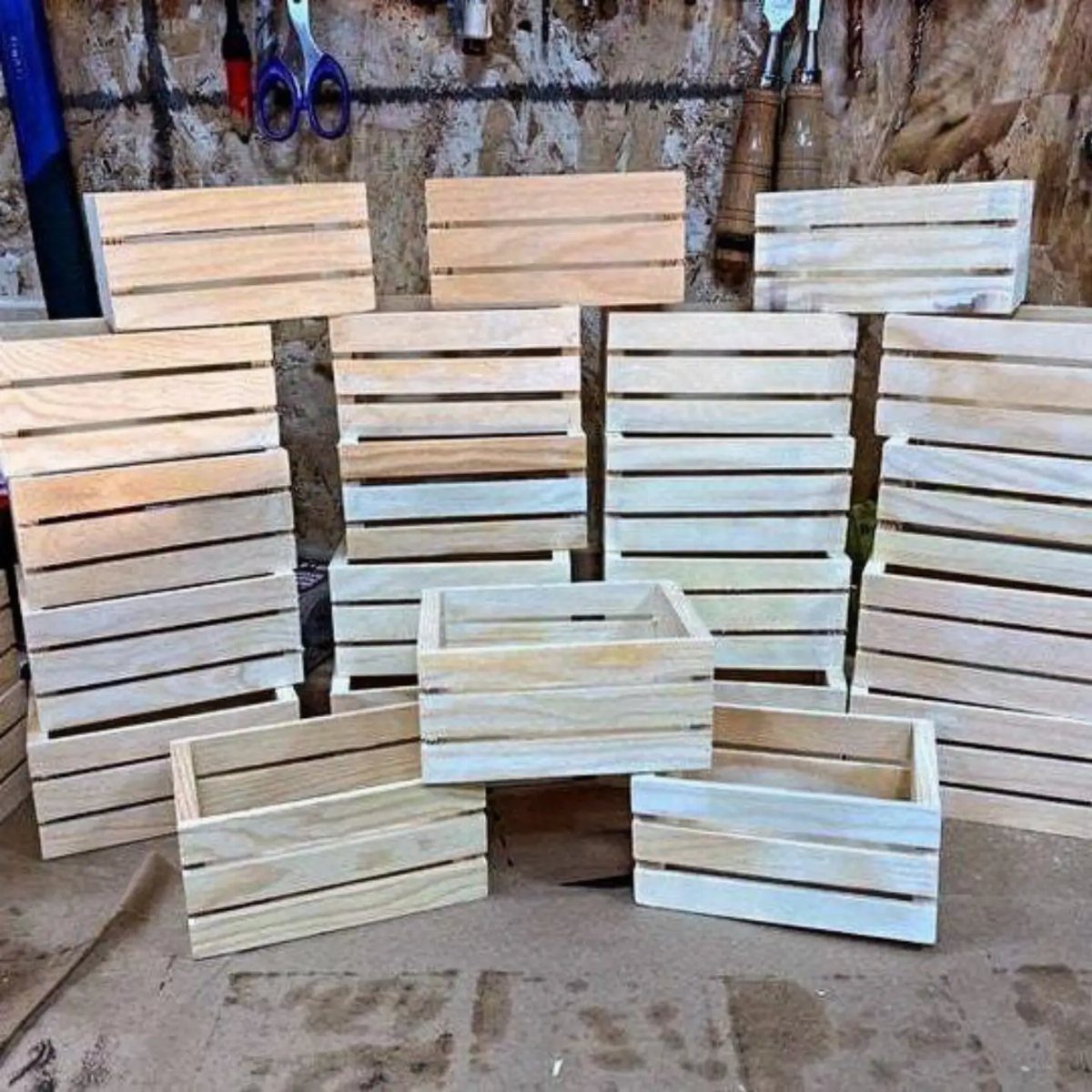
Slatted storage bins are the project I’d pick for anyone who wants one pattern to cover many buyers.
Make them in several sizes and they stack, so a customer can buy a small set for a shelf or a larger one for a closet.
Cut the slats from the same board so the sides match, and leave a little gap between each one for the slatted look. Sand every edge so nothing snags fabric or fingers.
Selling them unfinished lets buyers stain or paint them to match their rooms. Offering a stained version too gives you both options.
15. Step Stools
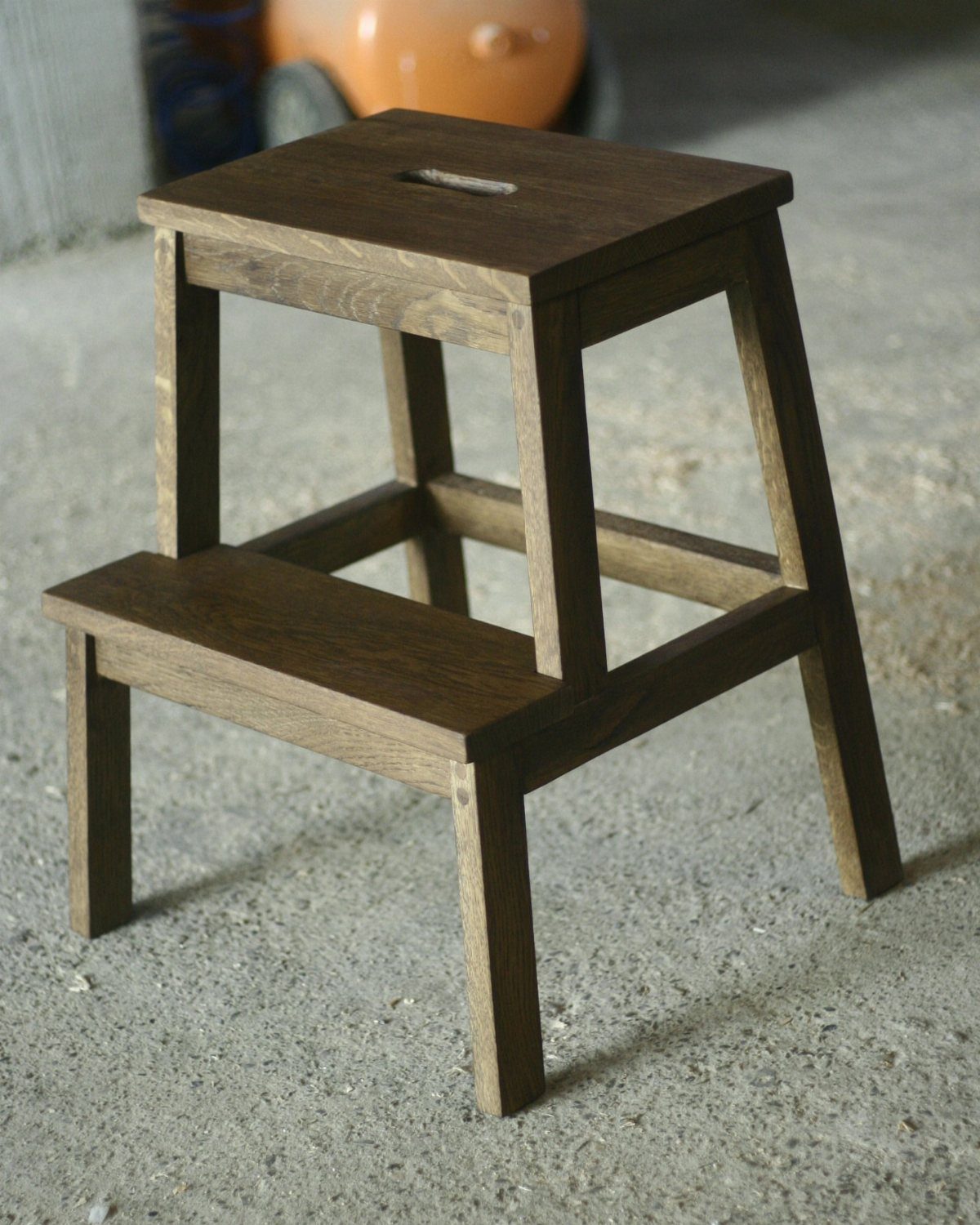
Families will pay for a sturdy step stool, because kids use it at the sink and adults use it at the closet shelf.
A two-step design with a handle cutout in the top makes it easy to carry from room to room.
Dark stain hides scuffs from sneakers, which is a real advantage for something that lives on the floor.
Ease every edge with a router or a sanding block, and smooth the handhold cutout with a rolled piece of 120-grit until no splinter catches your palm.
Build the joints tight and glue them, since a stool takes weight every day.
16. Games
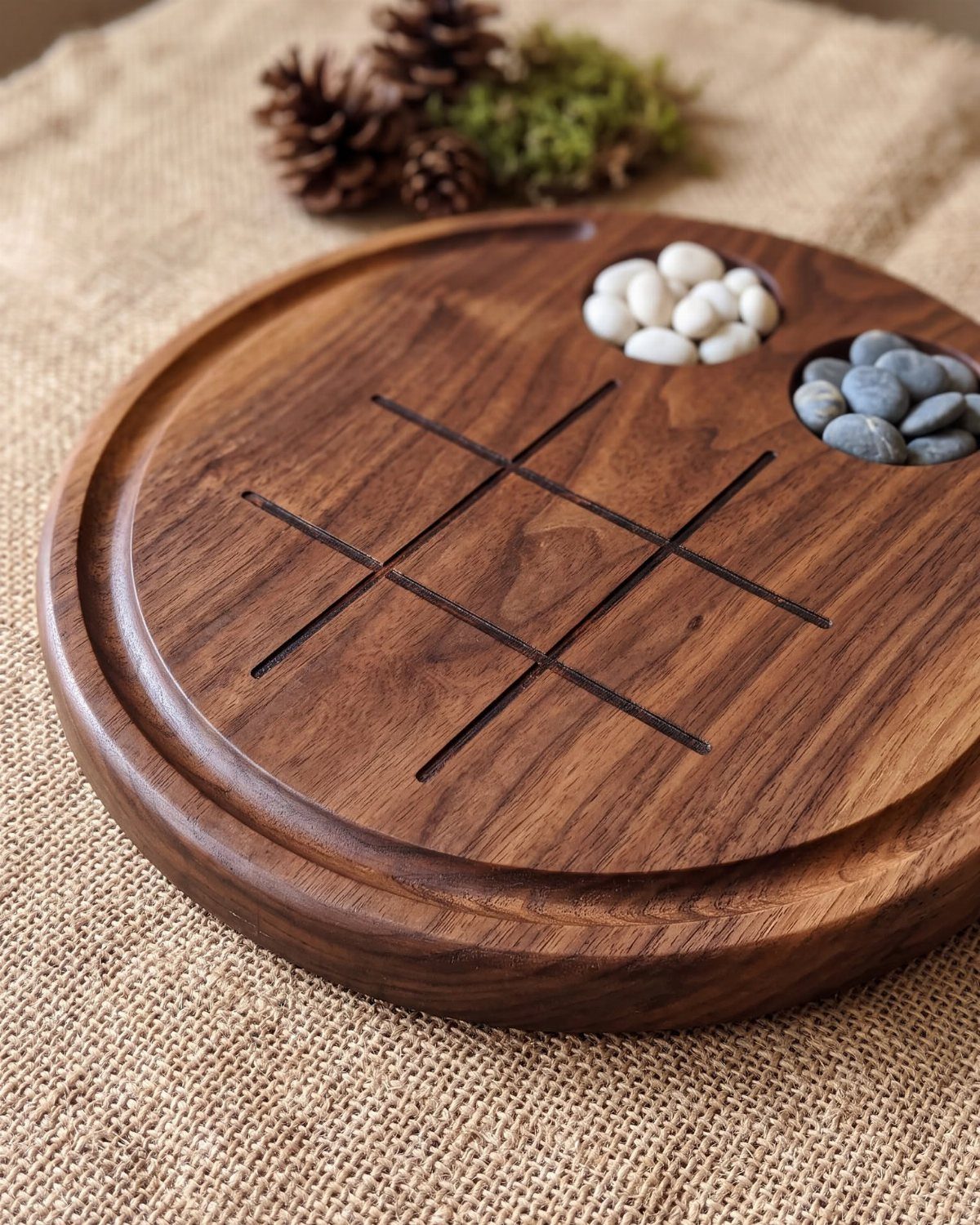
Wooden games sell to families because they need no batteries and no instructions.
A round tic-tac-toe board with a carved grid and two recessed holes for the pieces keeps everything in one place, and the stones can sit right in the wells.
Carve or burn the grid lines deep enough to read clearly. Smooth river-style pebbles in 2 colors, like white and grey, work as playing pieces, and they’re cheap.
Round boards are small and travel well, which makes them a good gift item. Sand the surface before finishing.
17. End Tables
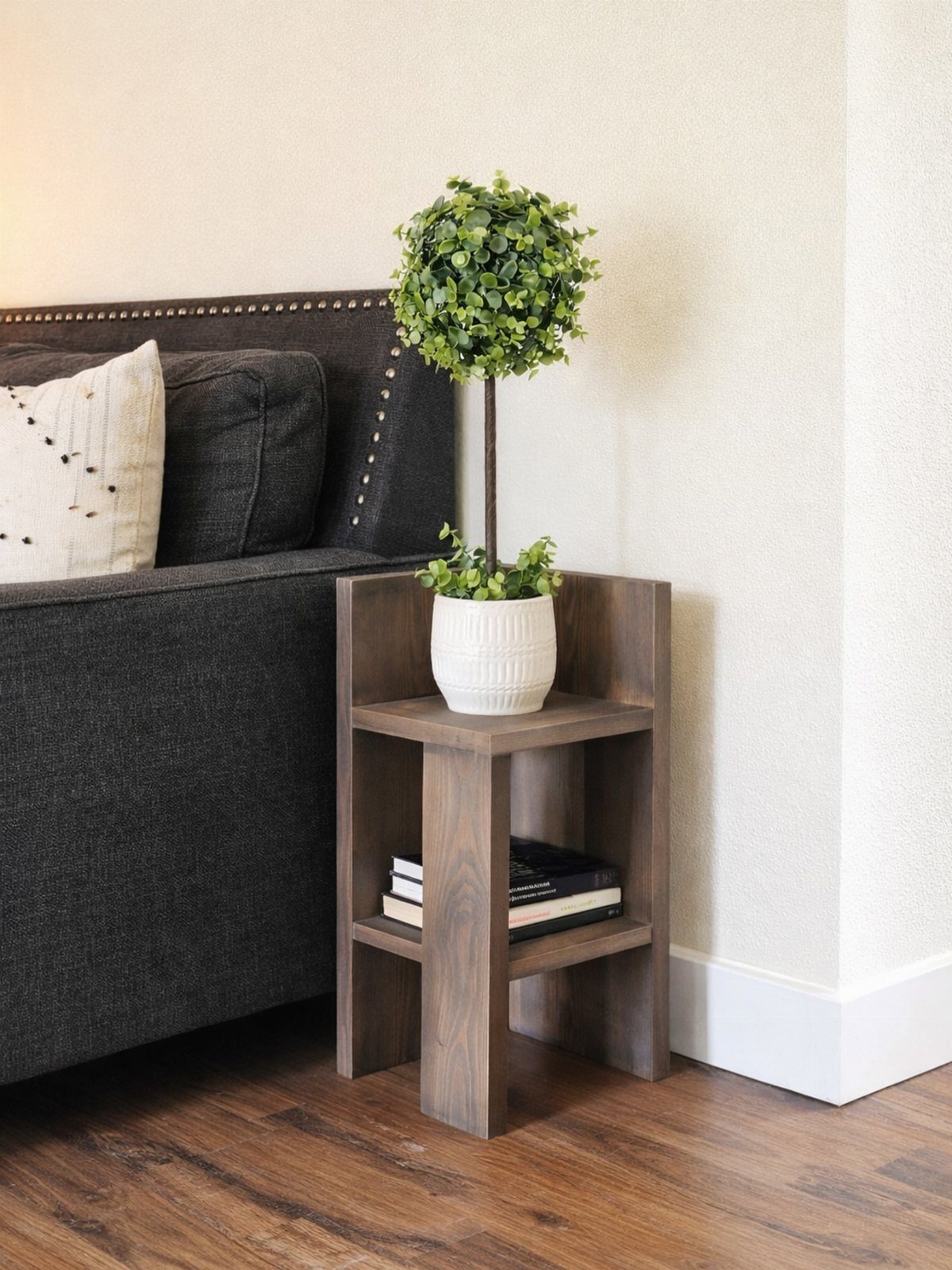
End tables are where a woodworker can charge more, since a well-made one sits beside a sofa and gets used daily.
Dark wood looks rich next to grey upholstery and holds a lamp, a plant or a stack of books without looking busy.
I’d treat this as an intermediate build. Keep the top flat and the legs square so nothing wobbles, and sand through the grits before you stain.
Lumber and finish cost more here than for small items, so set the price to cover them.
18. Christmas Village
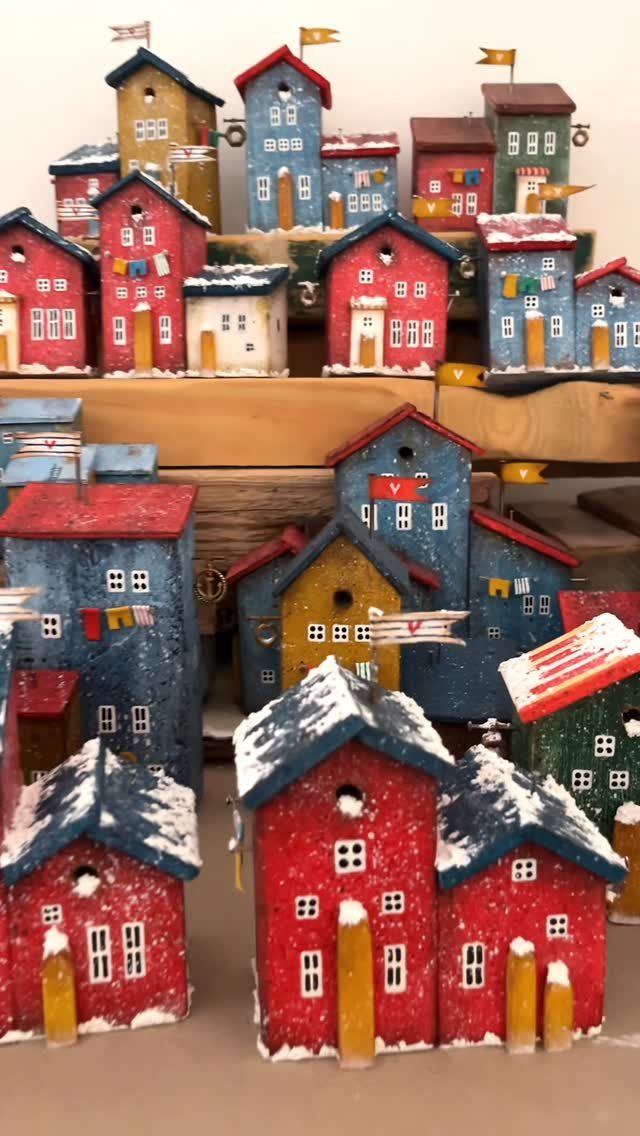
A Christmas village sells in sets, and a set is where the money is. Small houses sell better as a set, so bundle them in groups of 3 or 5 and let buyers pick their own color mix.
Cut one basic house shape and vary the roof and the paint color to get several looks from the same cut. Add the snow last, once the paint is fully dry.
Start making them early, since shoppers look for holiday pieces well before December.
19. Wooden Ornaments
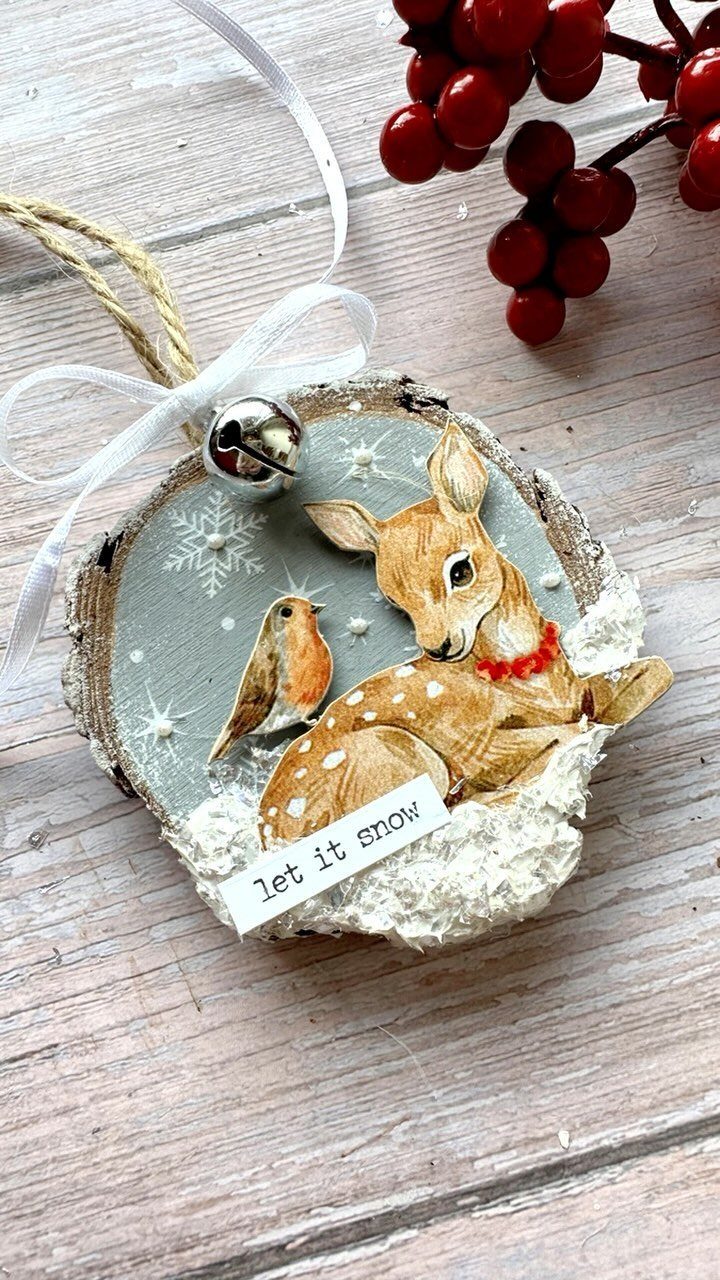
Slice ornaments suit the holiday table because a single round of wood takes paint, a ribbon and a tag in one sitting.
A winter theme sells best when the painted details agree: a deer or bird, a small bell, and a tag with a short phrase like "let it snow" on a wood slice.
Paint a few designs and sell them in small bundles. Seasonal buyers shop early, so make them well ahead of the holidays.
Sand the face smooth before painting so the lines stay crisp.
Handmade wood items remain a top pick for shoppers looking for products that feel personal, useful, and long-lasting. From home decor to practical gifts, wood crafts that sell offer a strong mix of charm and function.
20. Wooden Miniatures
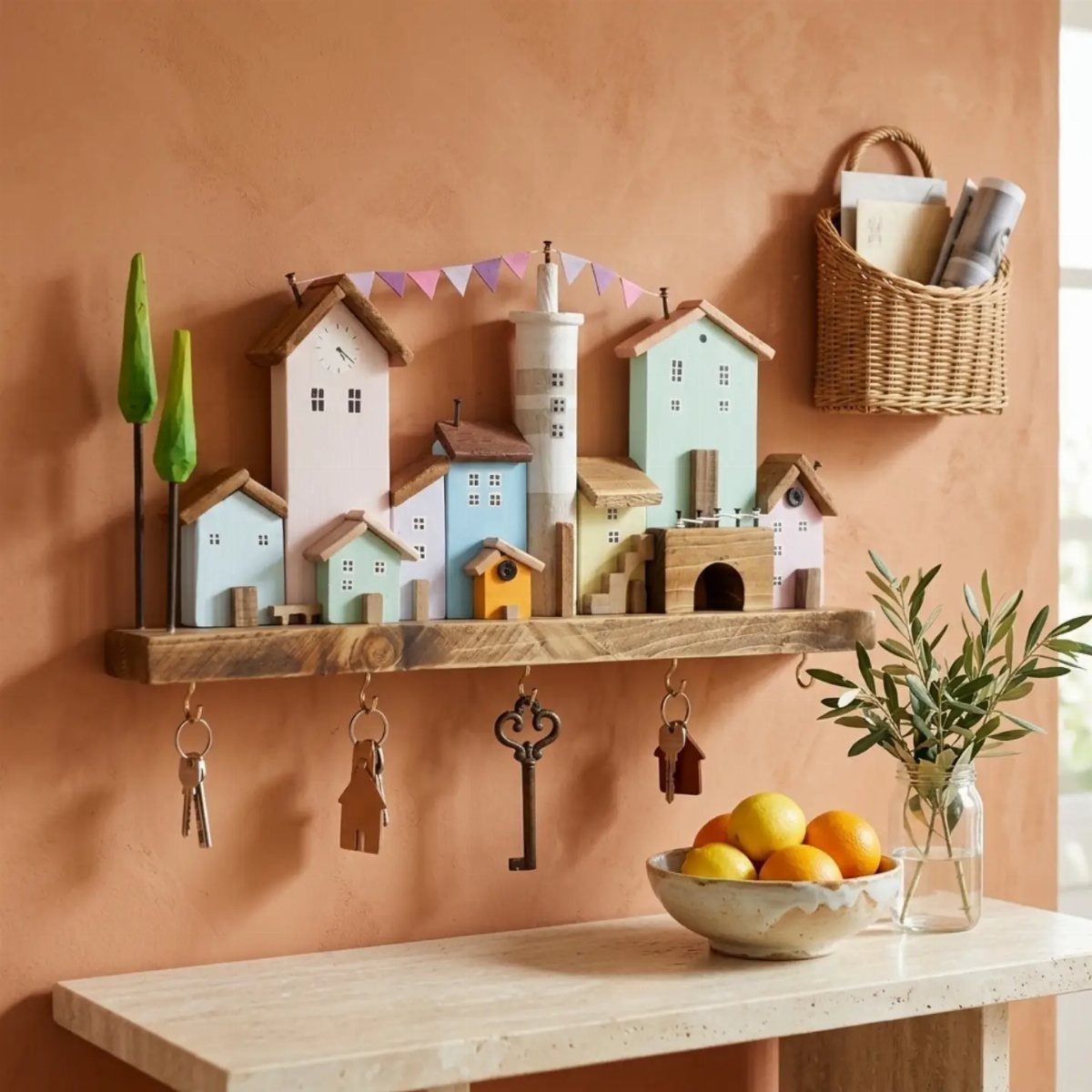
Miniature houses attract collectors and hobbyists, and a row of small, colorful ones can do a job too. A wall shelf with hooks underneath turns tiny wooden houses into a key holder that still reads as a little village.
I’d paint each house a different color so the row reads as a set. Miniatures eat up the offcuts piling up in my scrap bin, so the material cost stays close to nothing.
Screw the hooks in firmly, since keys add weight.
21. Carved Wooden Bird Figurine
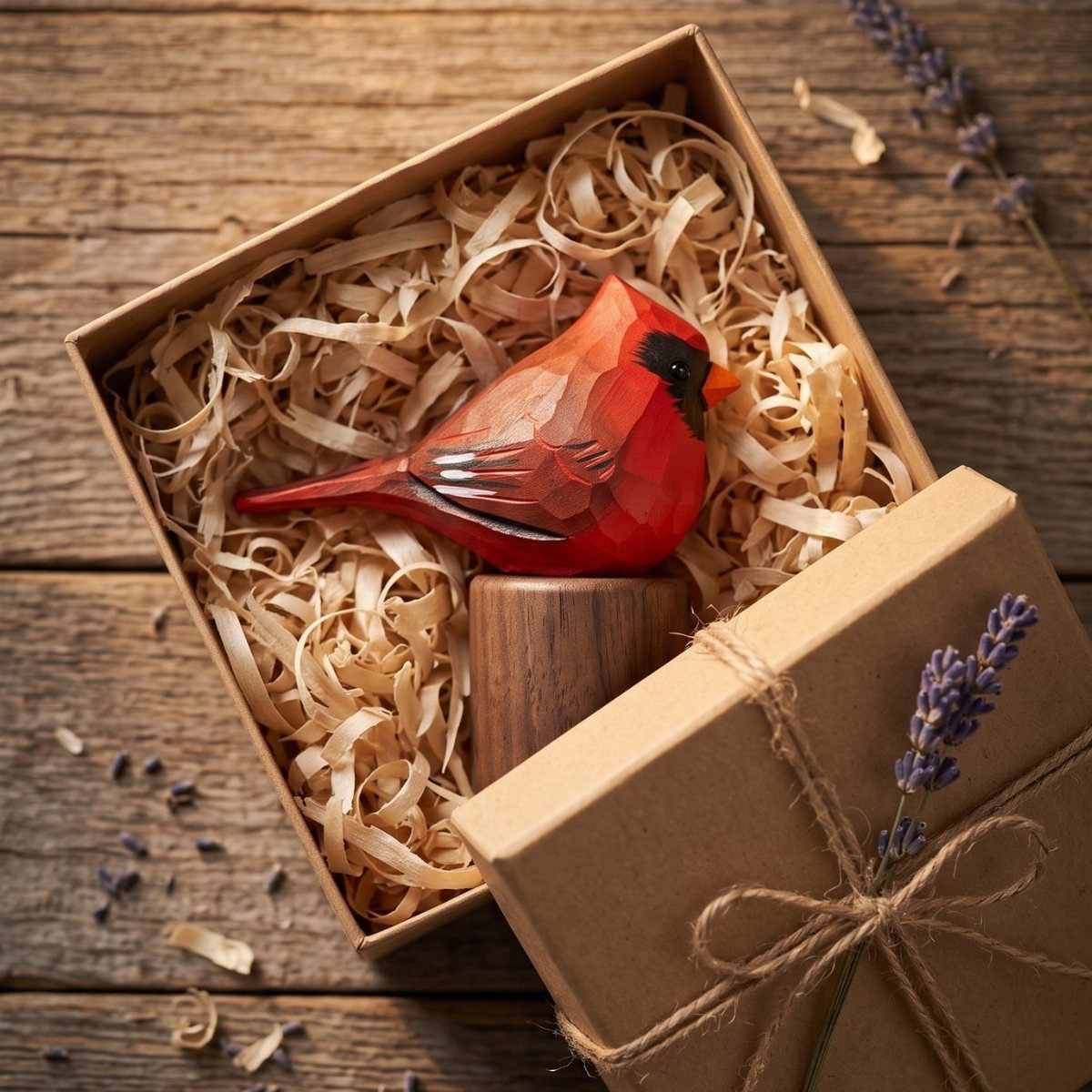
A hand-carved cardinal in red looks like a finished gift once it sits on its stand. Packing it in a small box with wood shavings and a twine-tied wrap adds to the price without much cost.
Carving takes patience, so start with a simple body shape and add detail only where it helps. Paint the red in even coats.
Sprigs of lavender beside the box make a nice extra for photos and gift orders.
22. Rustic Log Bunny Sculptures
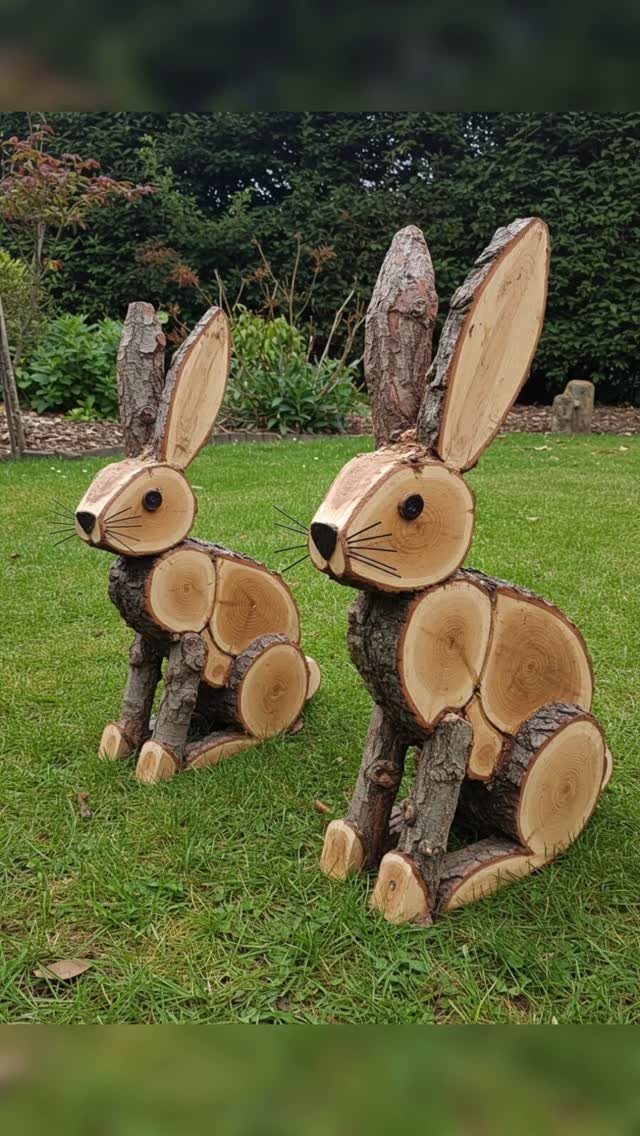
Log bunnies turn branch slices and logs into garden statues, and they fit the beginner who has firewood-sized scraps lying around. Stack slices for the body and head, then add branch pieces for the ears.
Natural wood makes each one different, which buyers like. Sell them in pairs, since two sitting on a lawn look better than one.
Use an outdoor sealer, because these live outside.
23. Rustic Wood Slab Chandelier
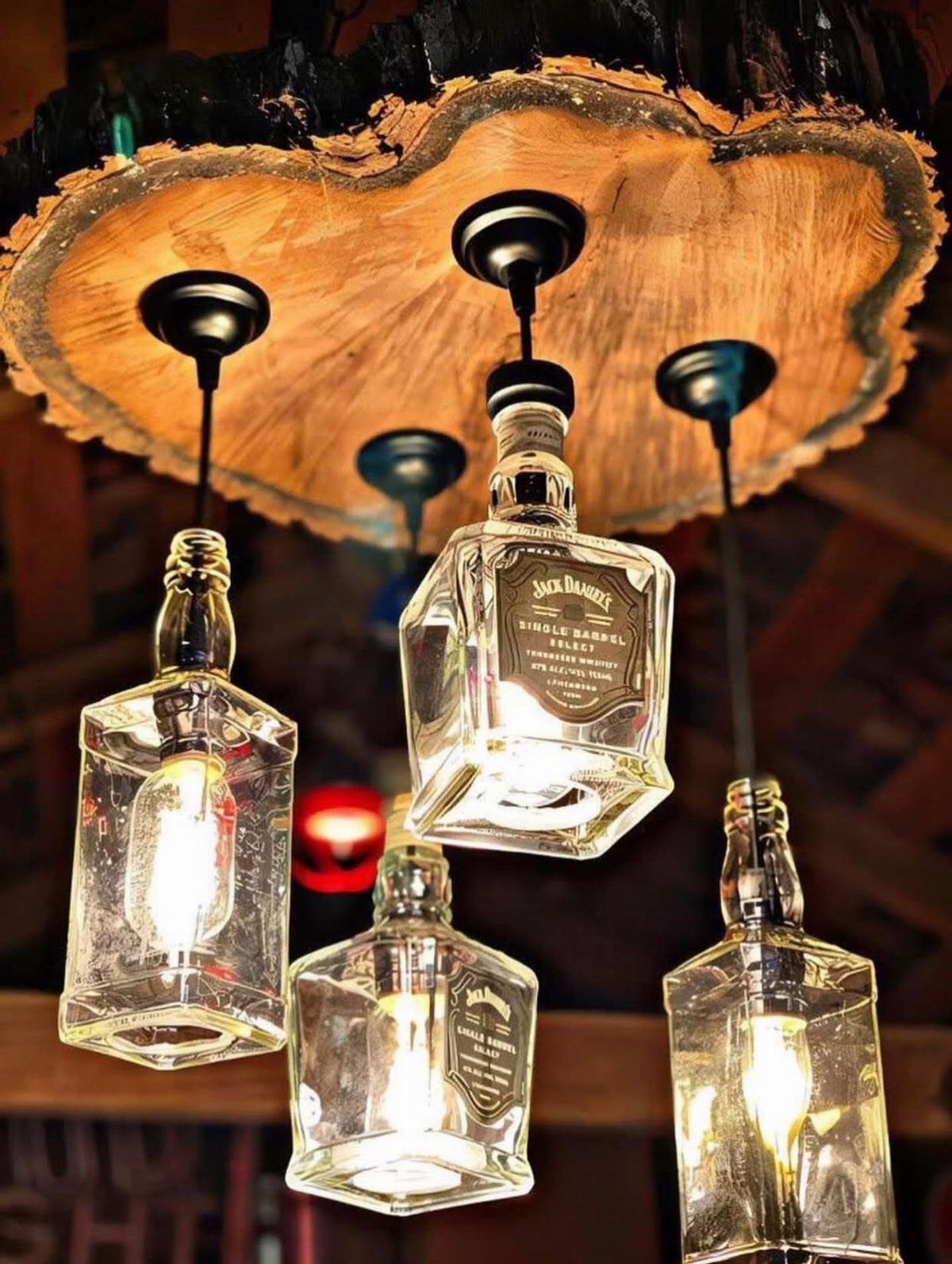
A live-edge slab makes the canopy for a chandelier, and the uneven natural edge does the decorating for you. Pendant lights can hang from the slab on cords, and glass bottles, such as whiskey bottles, make a good shade.
The wiring is the part to take seriously; follow the instructions on your light kits and have an electrician check anything you’re unsure about.
Expect a higher price for it, because slab and fixtures cost real money.
24. Handcrafted Wooden Trays and Bowls
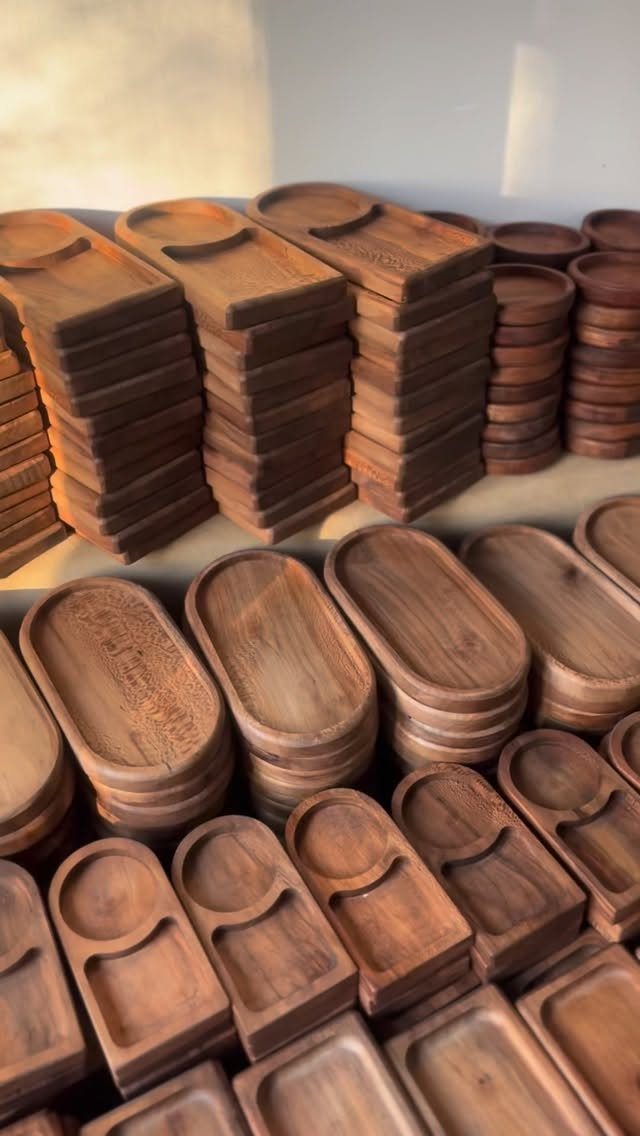
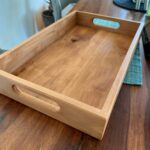
Trays and small bowls stack neatly, which makes a display look full and gives buyers a choice of sizes. Selling both together lets a customer build a set for the kitchen or the table.
Bowls take more skill and tools than trays, so a beginner can start with trays and add bowls later. Sand every surface smooth and finish them with a food-safe oil if they will hold food.
Keep the stack tidy, since neat shelves sell.
25. Wooden Toy Airplane
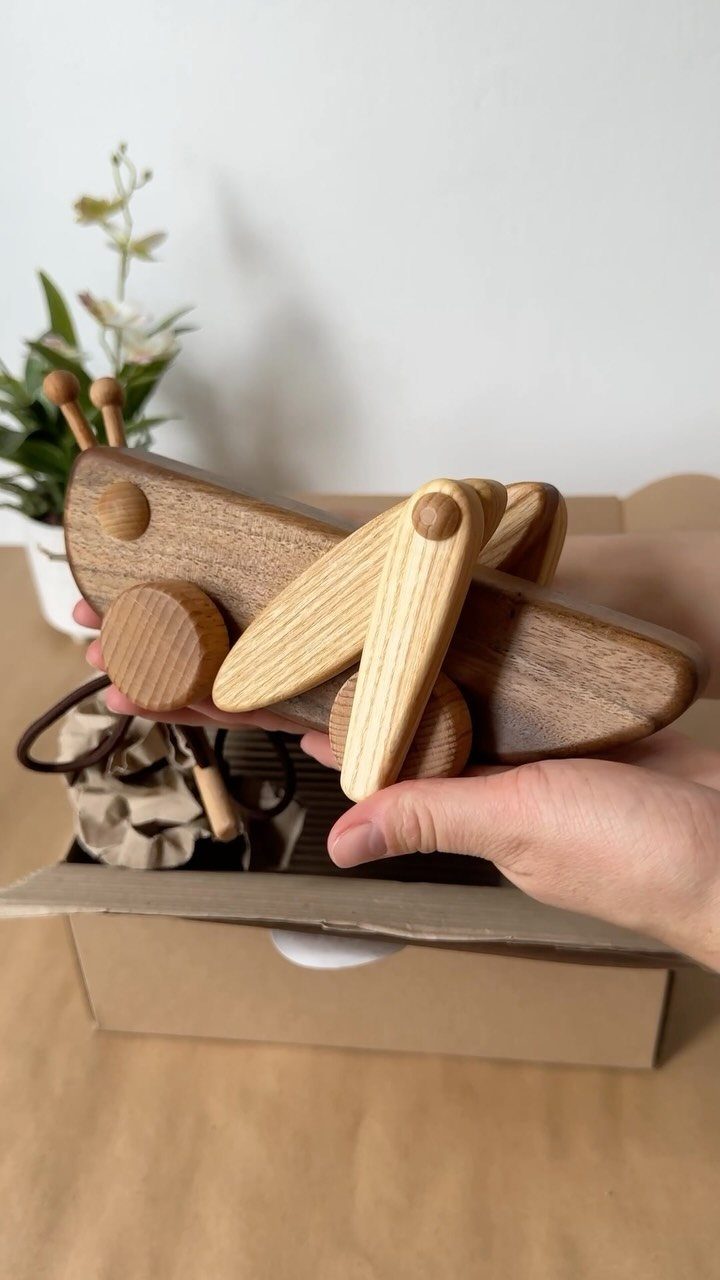
A two-toned toy airplane is a simple shape with a lot of shelf appeal.
Pairing a light wood body with a darker wing and tail gives the look without any painting skill, and parents like a toy that needs no batteries.
Sand every edge round, since small hands will carry it everywhere.
Use a finish labeled child-safe, such as pure tung oil or a food-grade mineral oil and beeswax blend, and pack the plane snug in a small cardboard box with crumpled paper around the wings so nothing snaps in transit.
26. Twisted Wooden Pedestal Stand
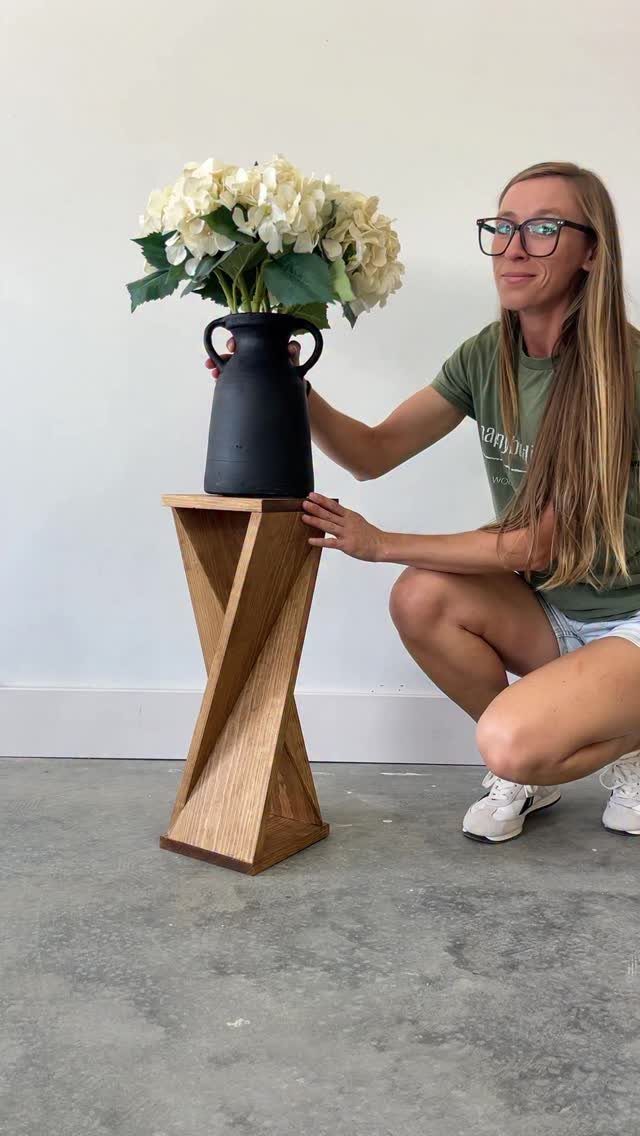
Tall and spiraled, a twisted pedestal stand turns a vase of flowers into a focal point, and that carved column is where the price comes from. A black vase against pale wood gives strong contrast.
A twisted pedestal takes careful turning and a lot of patience, so I’d build a few easier pieces first and come back to this one once your cuts come out clean.
A twist takes patience and steady tools, and a tall stand needs a wide base so it doesn’t tip. Sand the curves smooth and seal the top, since flower vases leave water rings.
Pricing and Cost Management
Price starts with a tally: materials, your time, and overhead like blades, sandpaper, finish and booth fees. Add them up per piece, then set a price that leaves a profit after all three.
Before you commit to a number, look at what similar items sell for from other makers. If your cost sits well above the going rate, change the design or the materials rather than just accepting thin margins.
Skill moves the price too. The cleaner your joints and finish, the more you can ask, so a well-sanded piece earns more than the same shape with rough edges.
Craft Show Tips
A table with one kind of item tends to lose browsers. Mix practical pieces with decorative ones so a gift shopper and a person furnishing a room both find something to pick up.
Pieces that work and look good together move fastest. Stock your table with what shoppers actually buy: gifts for other people and small pieces that make a home feel like theirs.
Presentation counts as much as the stock. A tidy layout with a few props, a clear sign and good lighting sends buyers straight to your strongest pieces.
A logo, a stack of business cards and matching packaging give a buyer something to carry home, which makes you easy to track down later. Posting online afterward also helps you sell leftover inventory.
Marketing Strategies
Consistency makes a small shop feel established.
Set up a website or a social media account, and put real effort into the photos. Clear, well-lit images of your work do most of the selling online, so shoot each piece against a plain background in good daylight.
Local reach counts too. Markets, craft shows and partnerships with nearby businesses put your work in front of people who can pick it up and handle it.
Frequently Asked Questions
What wood product sells the most?
Start with a cutting board: every kitchen has a spot for one, and shoppers already have a price in mind before they pick it up.
A board that can also serve food, such as a paddle with a hole in the handle or a long rectangle, tends to move fastest, since it earns a place on the counter and on the dinner table.
Charcuterie boards and engraved or personalized ones show up near the top of many other sellers’ lists as well.
What are the best selling wood crafts?
Cutting boards, personalized wooden signs, candle holders, coasters and wall shelves sell reliably.
Birdhouses, planter boxes, step stools and storage bins also move well. Items that double as gifts do best, and coasters and candle holders are quick to make from little material.
What is the most profitable craft to make and sell?
Customizable, good-looking pieces like wall decor, benches and personalized signs tend to be the most profitable.
Take a single wooden letter with a name painted in script: it comes in many colors, and any name a buyer sends becomes a new order.