Time at the bench decides which of these 14 ideas fits you, because they run from a phone stand cut from scrap to a garden bench that eats lumber and needs days of curing between sealing coats.
If you have an afternoon, stay with small pieces like coasters, which sell in sets of 4 or more and get their price from engraving.
If you can wait on payment, bigger builds like coffee tables sell by commission. The pricing section gives a formula that multiplies materials cost by 4, so the same math works at either end.
1. Wooden Signs
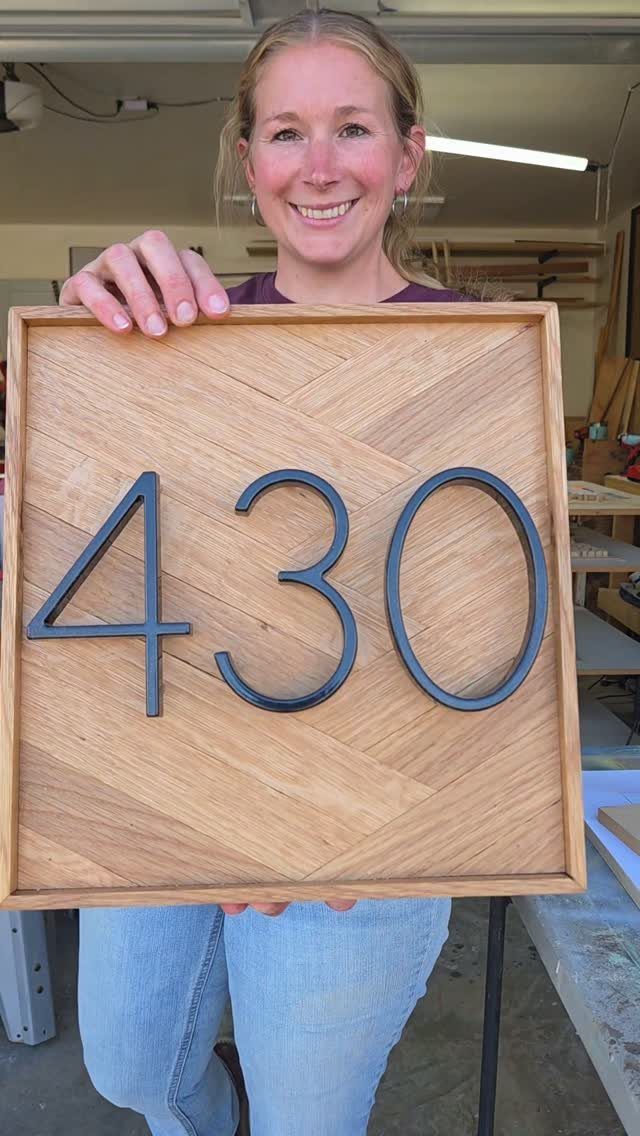
A square address sign is one of the easiest pieces to sell because every buyer wants their own numbers on it.
Offer house numbers, family names and dates as custom orders, and each sale becomes a small commission instead of a guess.
Herringbone wood with black numerals reads well from the street, and I would stick with high contrast for that reason. Keep a few blank squares finished and ready, so a custom order takes an afternoon.
2. Floating Shelves
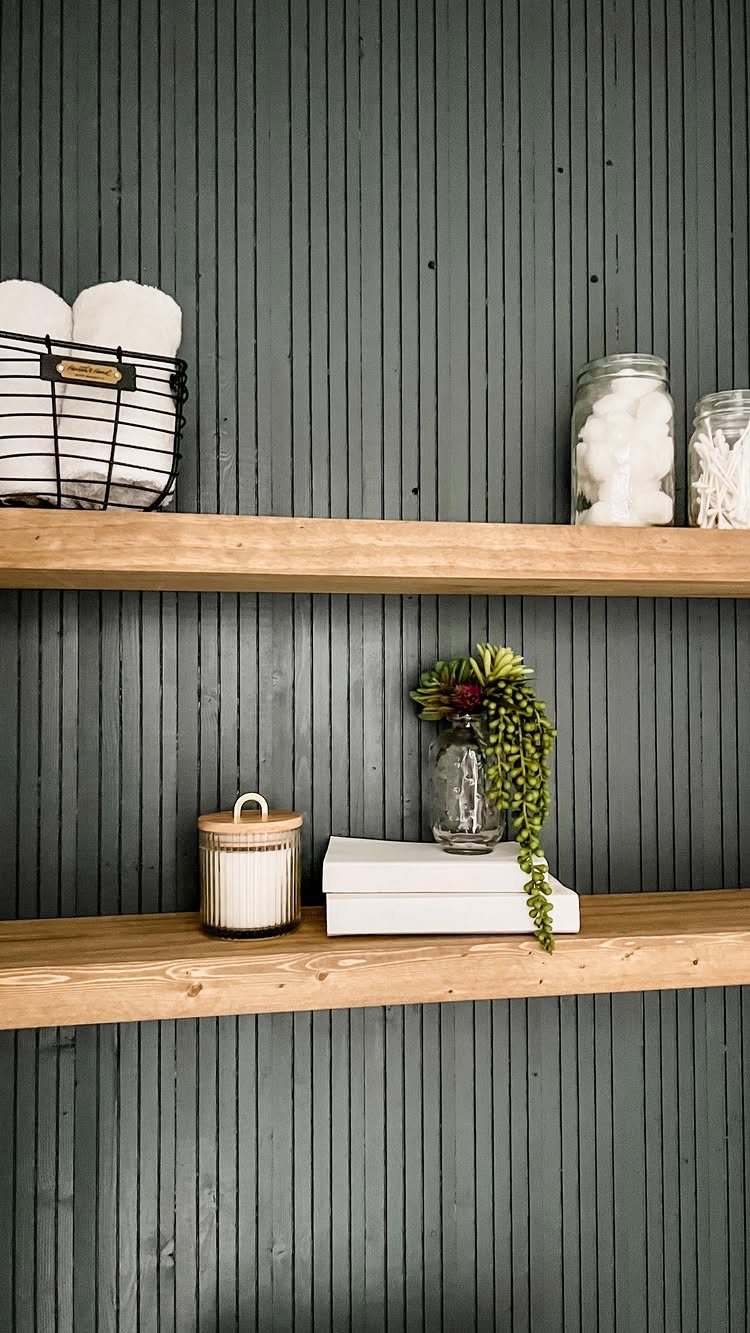
Floating shelves suit a maker with basic tools since a plain board and a hidden mount are most of the build.
Light wood against a dark wall looks sharp, so offer a couple of stain choices and let buyers match their own rooms.
Floating shelves sell well as pairs, since most buyers hang two side by side and would rather not hunt for a match.
A pair costs a bit more to make but lifts the price per order, and buyers can use them in a bathroom, bedroom or living room.
3. Wood Boxes
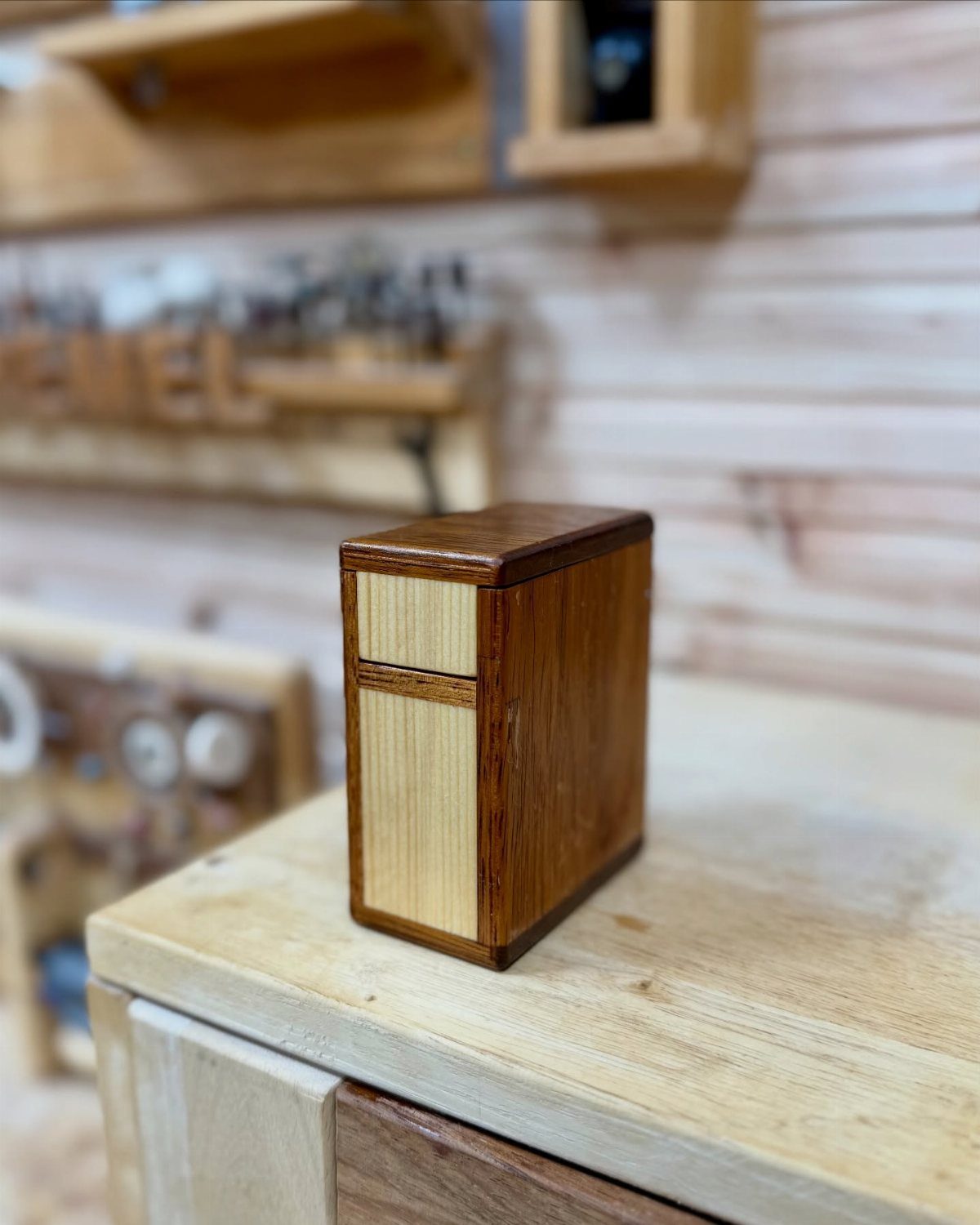
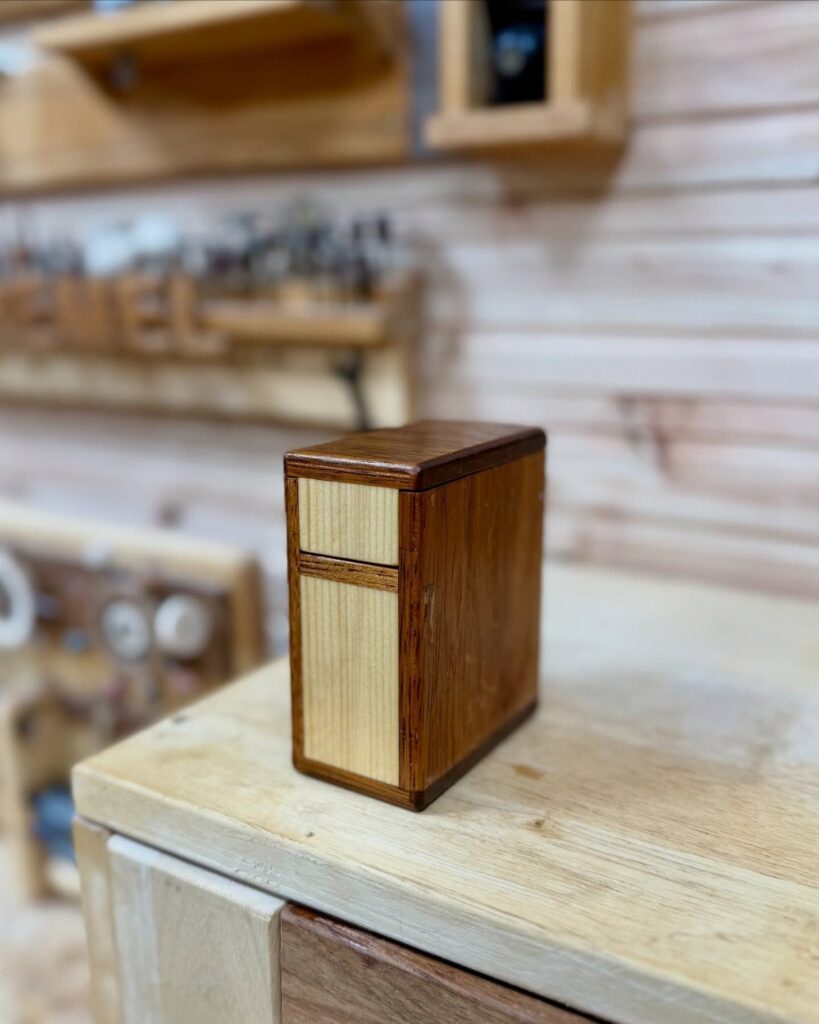
Pairing 2 wood tones is what makes a small box look designed rather than just built. A light body with a dark lid, or the reverse, adds almost no cost and gives the piece a clear selling point.
Boxes range from plain to ornate, so I would start simple and add detail only once orders justify the time. Scrap pieces from other projects work well here.
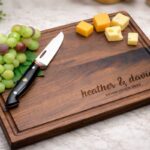
4. Wooden Cutting Boards
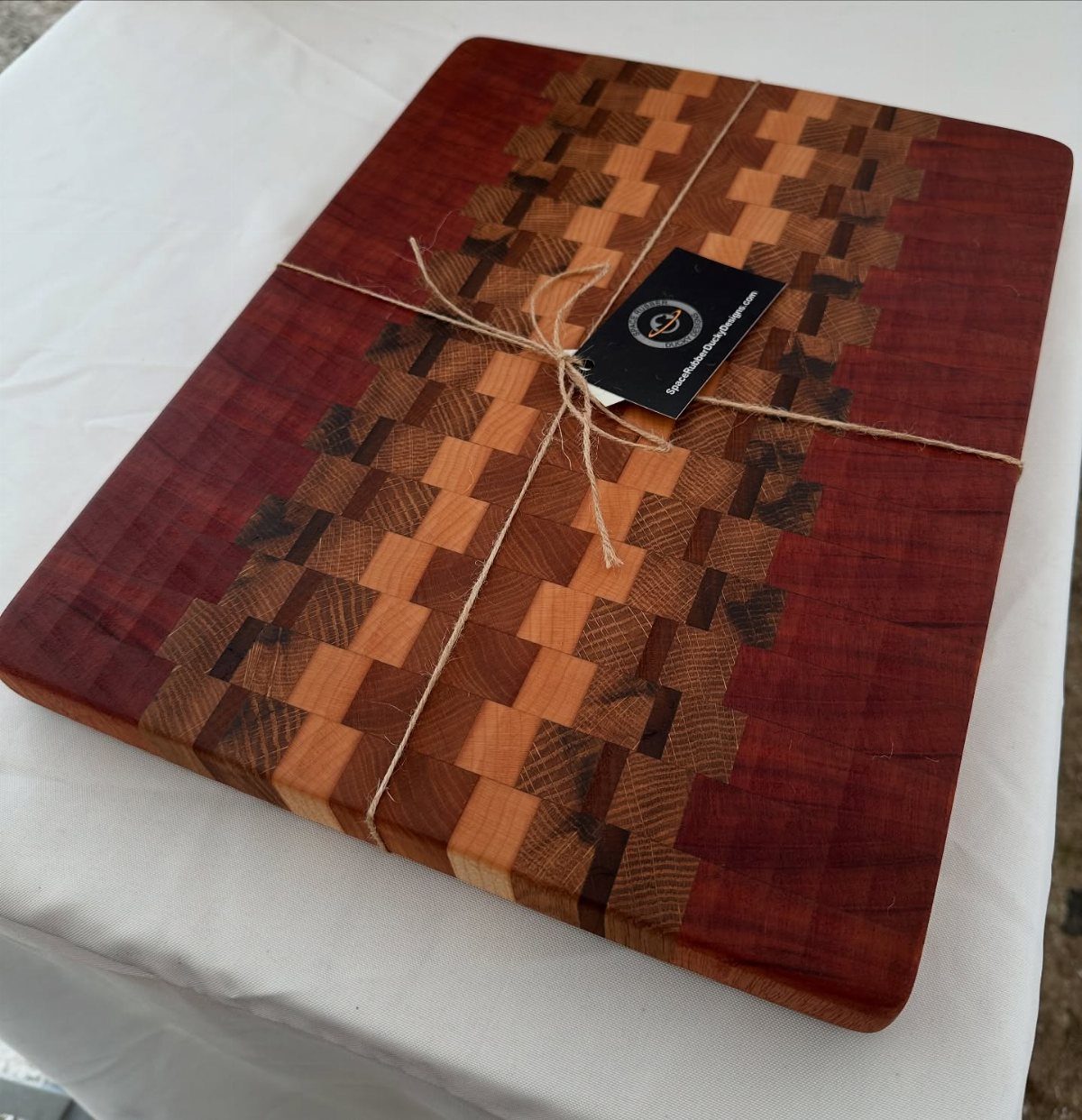
End-grain boards with a mosaic pattern look far more valuable than a plain slab, and buyers respond to that. Mixing a red wood with a brown one gives the checker effect with just two species.
Add matching utensils from the offcuts to sell a set. Tying a board with twine and a tag makes it gift-ready, which helps at craft fairs.
5. Candle Holders
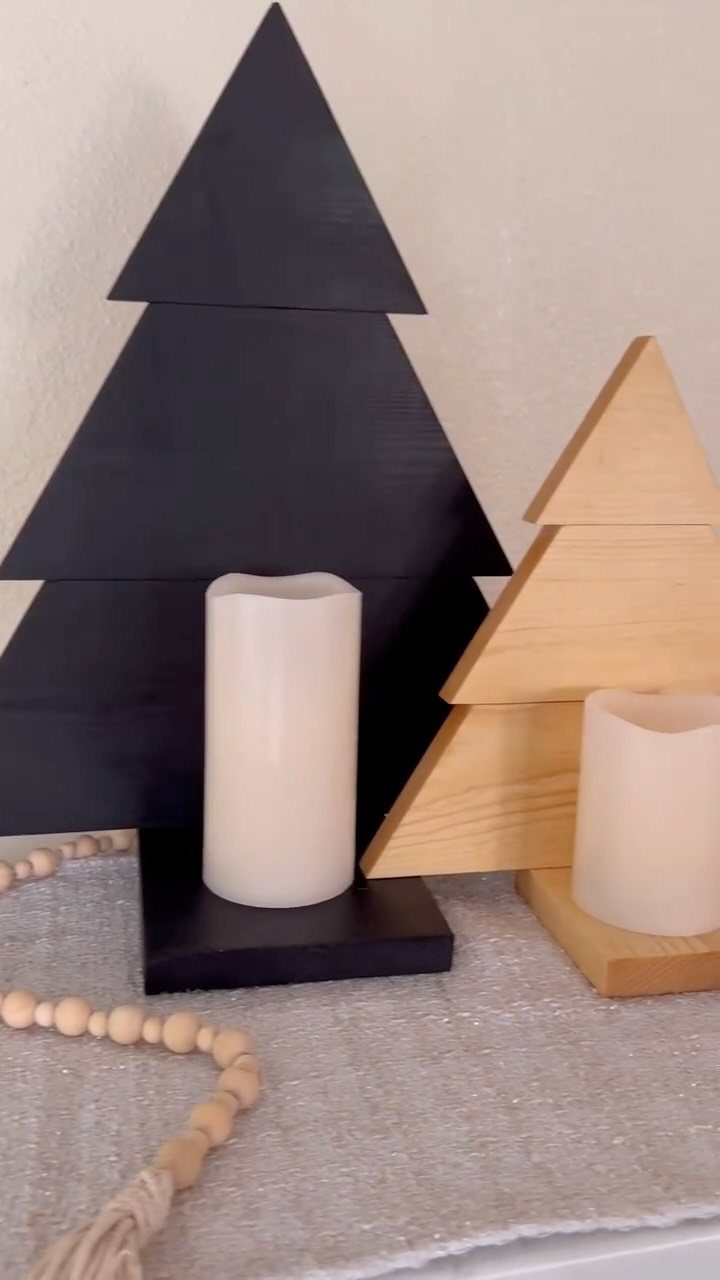
Tree-shaped candle holders are a small scroll saw or jigsaw project, and one pattern yields a whole batch. Make them in both black and natural wood, since buyers split on which suits their decor.
A white pillar candle sits well in either finish. Pair a holder with a candle for a ready-made gift, and offer the set as a seasonal item.
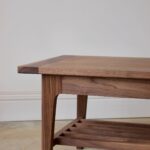
6. Coffee Tables
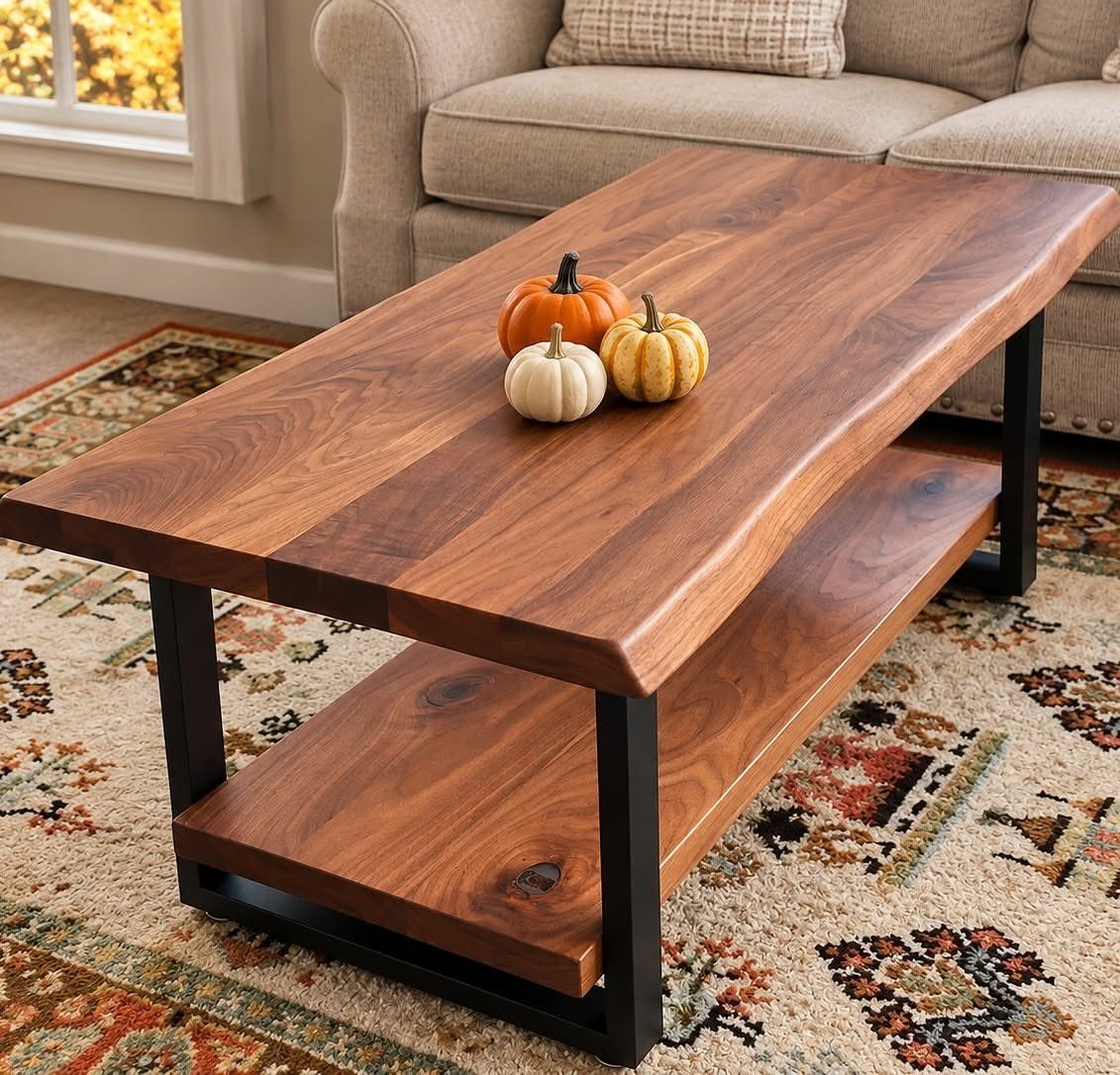
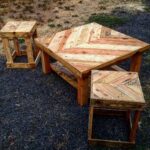
Coffee tables sit at the opposite end from small knick-knacks: bigger build, bigger price.
Expect more lumber cost and more finishing time than a small item. Because each slab is unique, I would sell these by commission or photograph each one individually.
7. Birdhouses
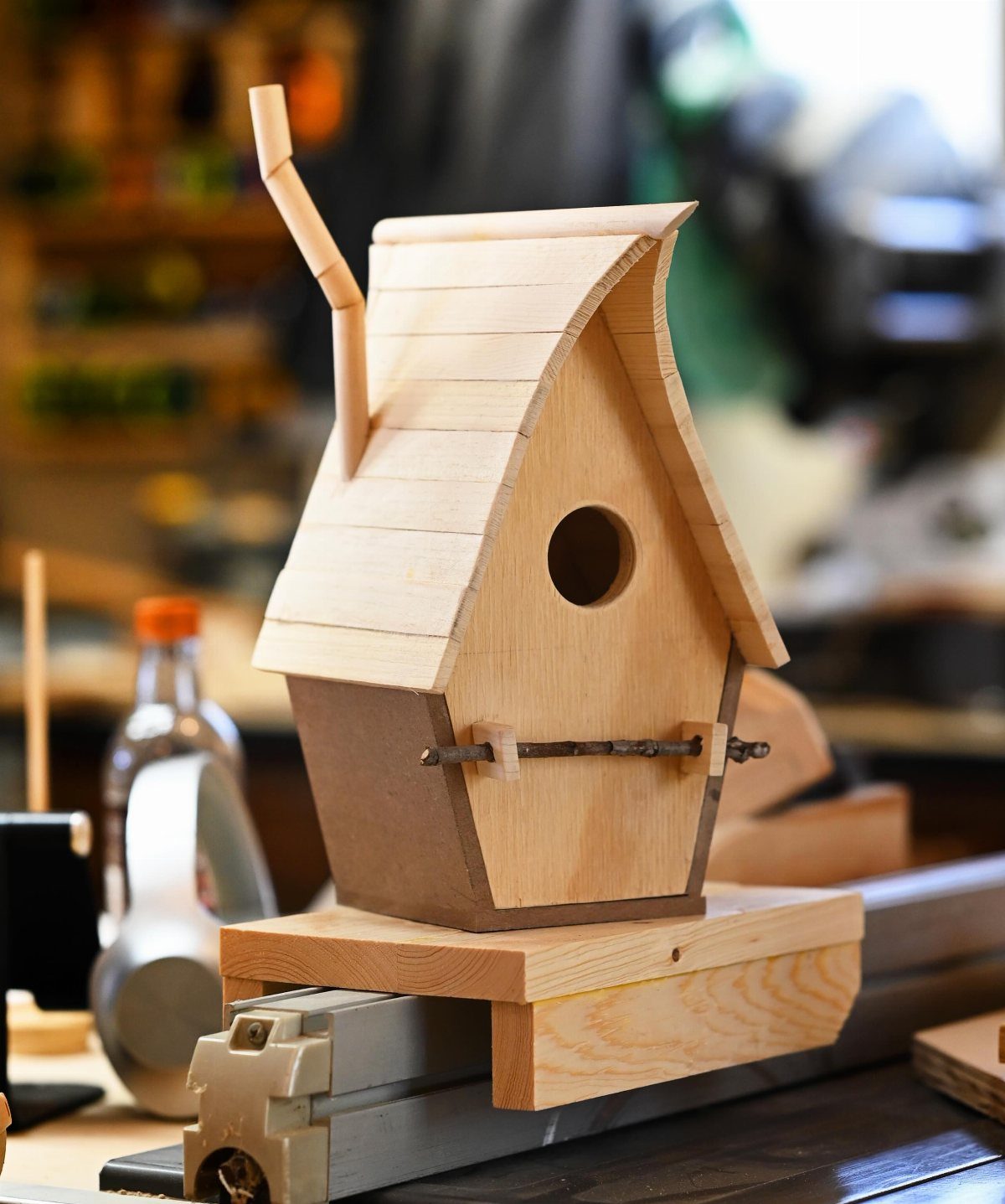
A curved roof and a small chimney give a birdhouse a silhouette buyers pick out from across a craft table. Details like that are where customization pays, so offer a few roof shapes or finishes and let people choose.
Birdhouses are an outdoor piece, so I would sell them as décor first and keep the pitch simple. One pattern cut in batches keeps your time per house low.
8. Planters
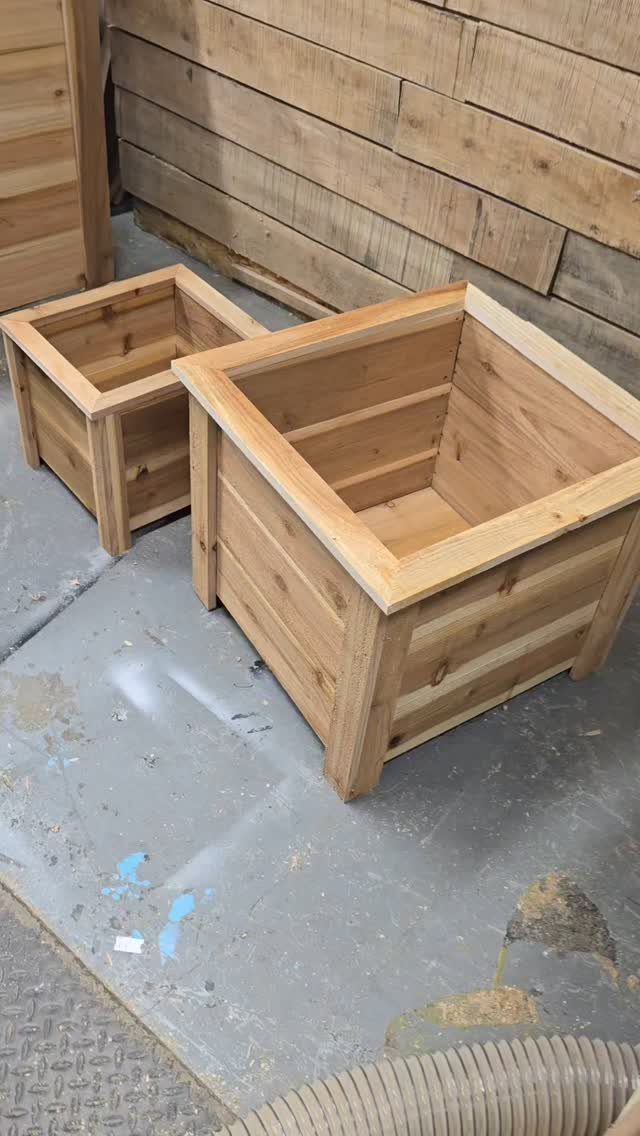
Square planters in two sizes sell as a matched set, and buyers like having a small one for a windowsill beside a larger one for a porch.
Pine is an easy wood to work with basic tools, and the plain look suits gardening and home décor alike.
Leave some unfinished and stain others, so customers can pick a finish that matches their own space.
9. Wooden Coasters
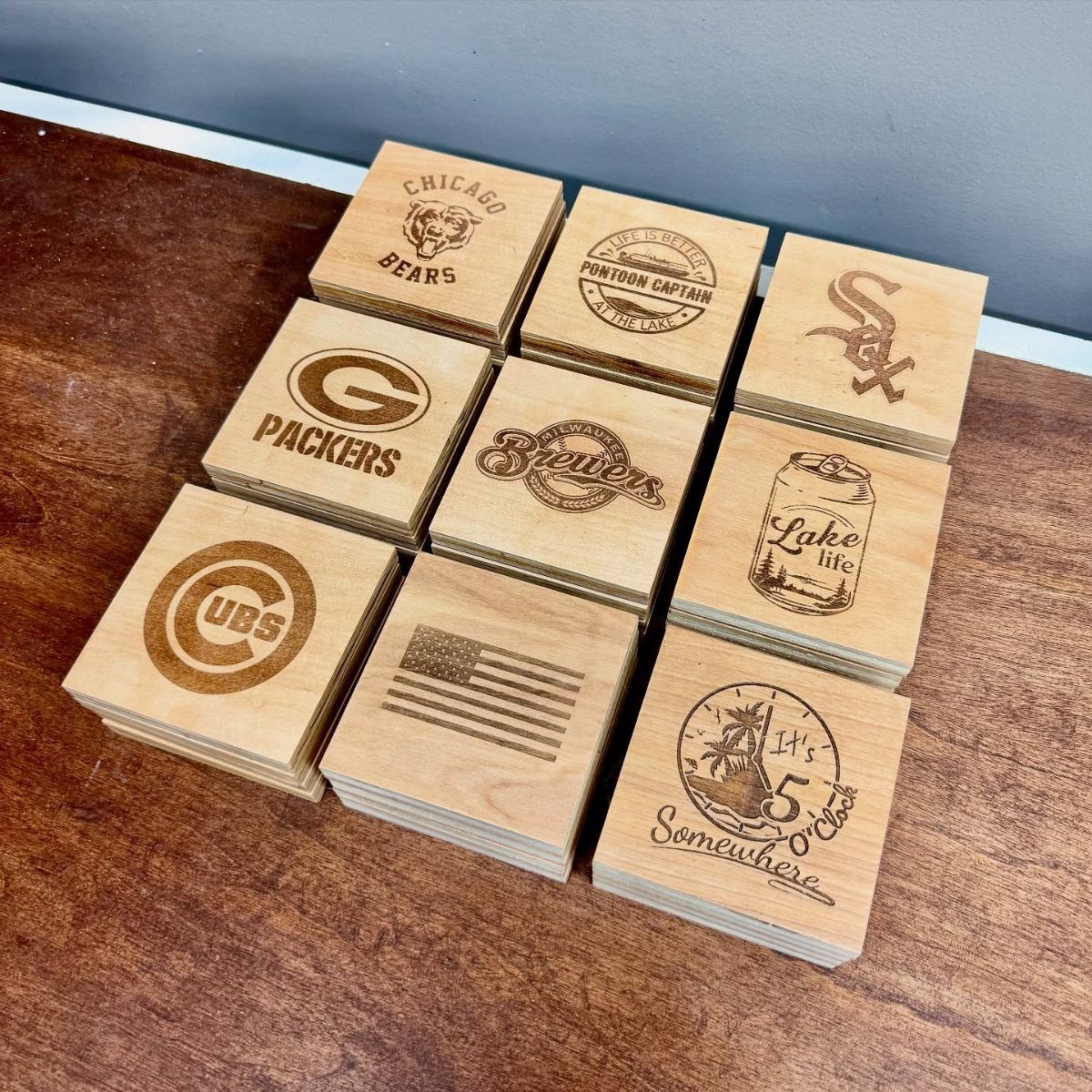
Coasters are the smallest build you can sell, and engraving is what sets the price.
Local team logos and phrases like "Lake life" sell because they speak to a specific buyer, so I would pick the names your own area cares about.
Cut squares from scrap, sand them smooth, then personalize. Sell in sets of 4 or more, since nobody wants one coaster.
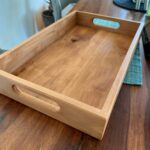
10. Wooden Trays
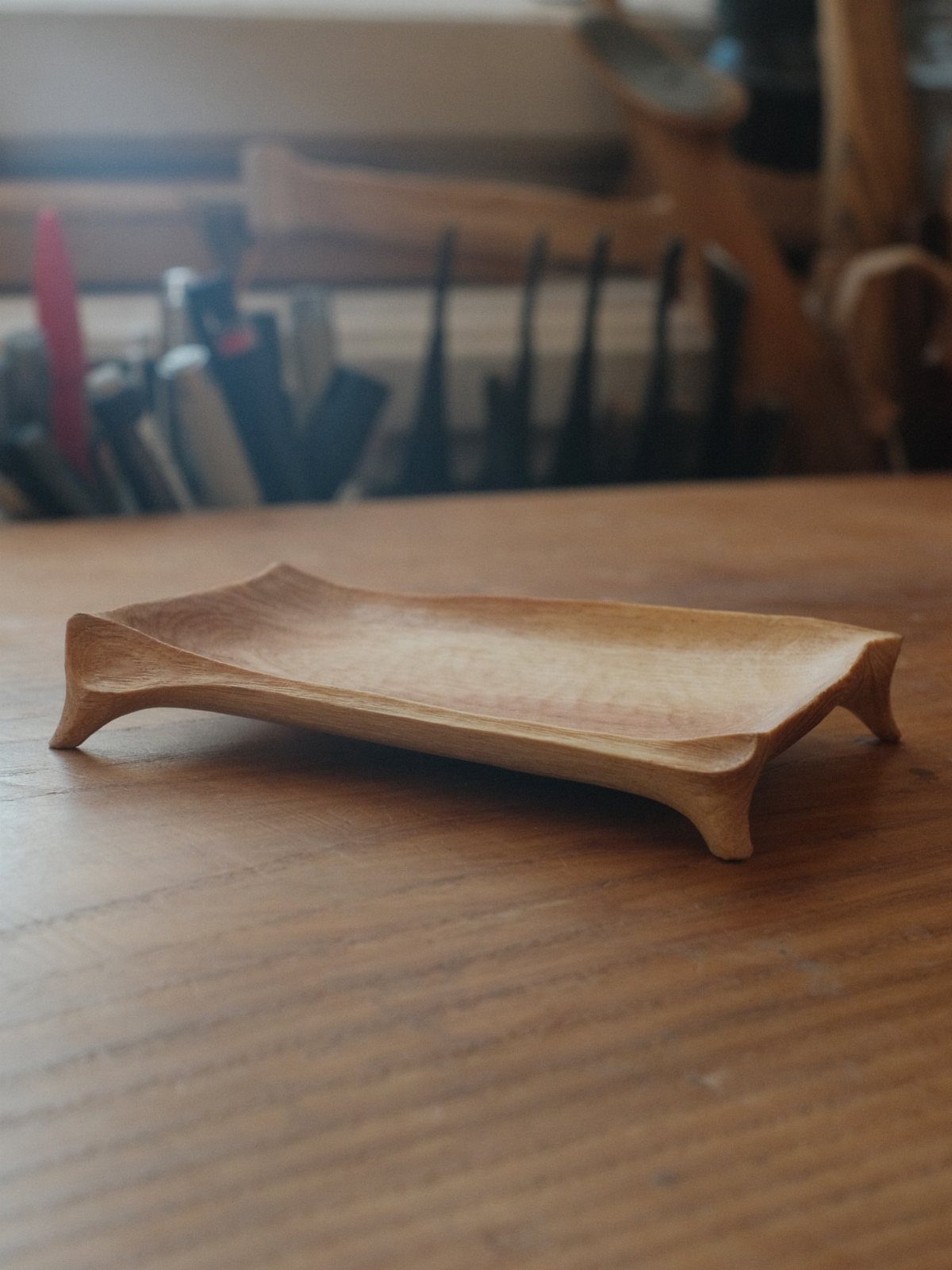
Hand-carved trays with curved legs look like heirlooms, and that handmade character is the selling point.
Serving is the obvious use, but a tray also holds keys on an entryway table or supplies on a desk, so describe several uses in your listing.
Carving takes patience, so price for the hours. Keep the shape simple enough to repeat, and photograph it on a workbench to show it was made by hand.
11. Wine Rack
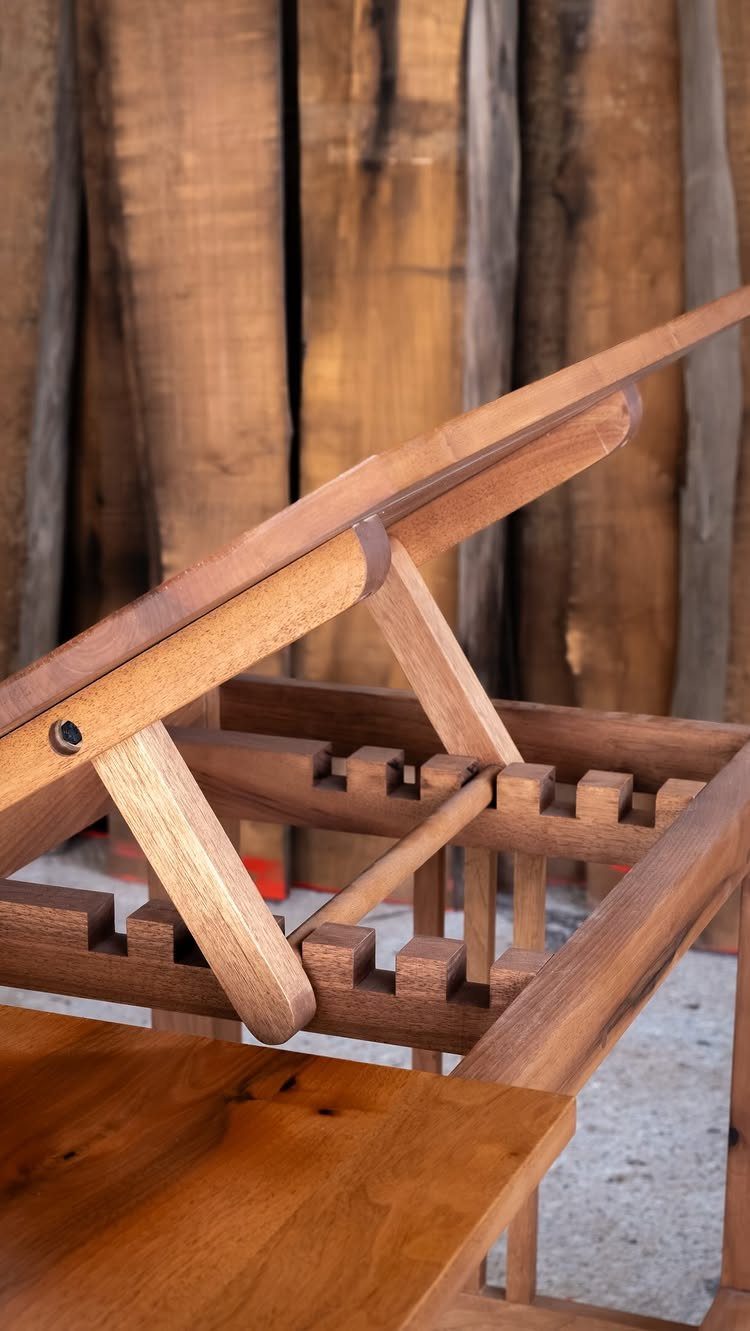
A tilting top lid makes a plain wine rack something people remark on. Bottle slots keep the build simple, and the hinged lid is the one detail worth the extra effort.
A polished brown finish suits most kitchens and dining rooms, so I would stay with it for stock pieces. Wine lovers also buy gifts, which makes this a good item to offer around the holidays.
12. Docking Stations
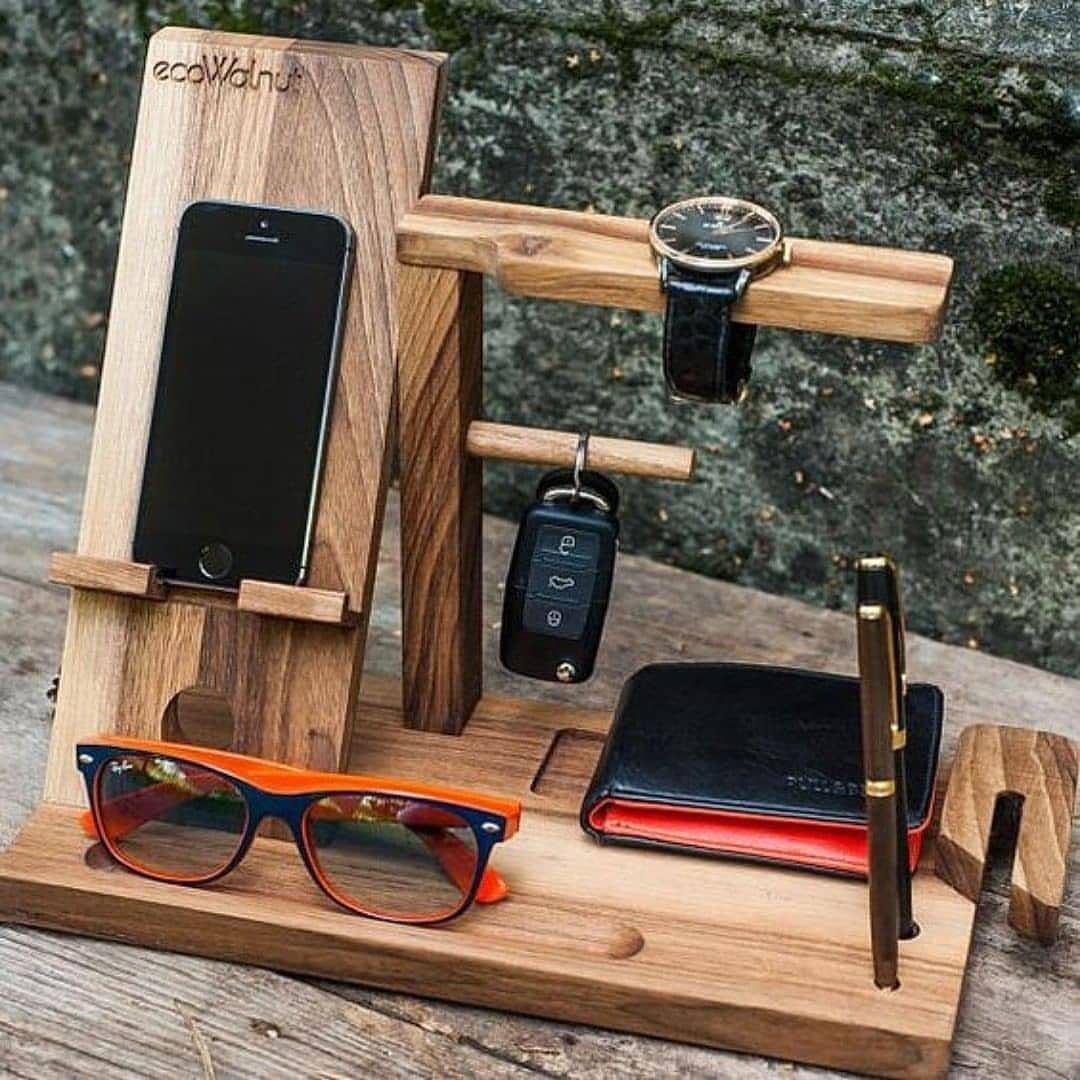
A docking station gathers phone, watch, wallet, keys and sunglasses in one spot, which is a clear pitch for anyone who empties their pockets at the door. Walnut gives it an upscale look.
Engraving a name or brand on top makes each one a personal gift. I would offer initials as a custom option for a small up-charge, since engraving adds little time per piece.
13. Wooden Phone Stands
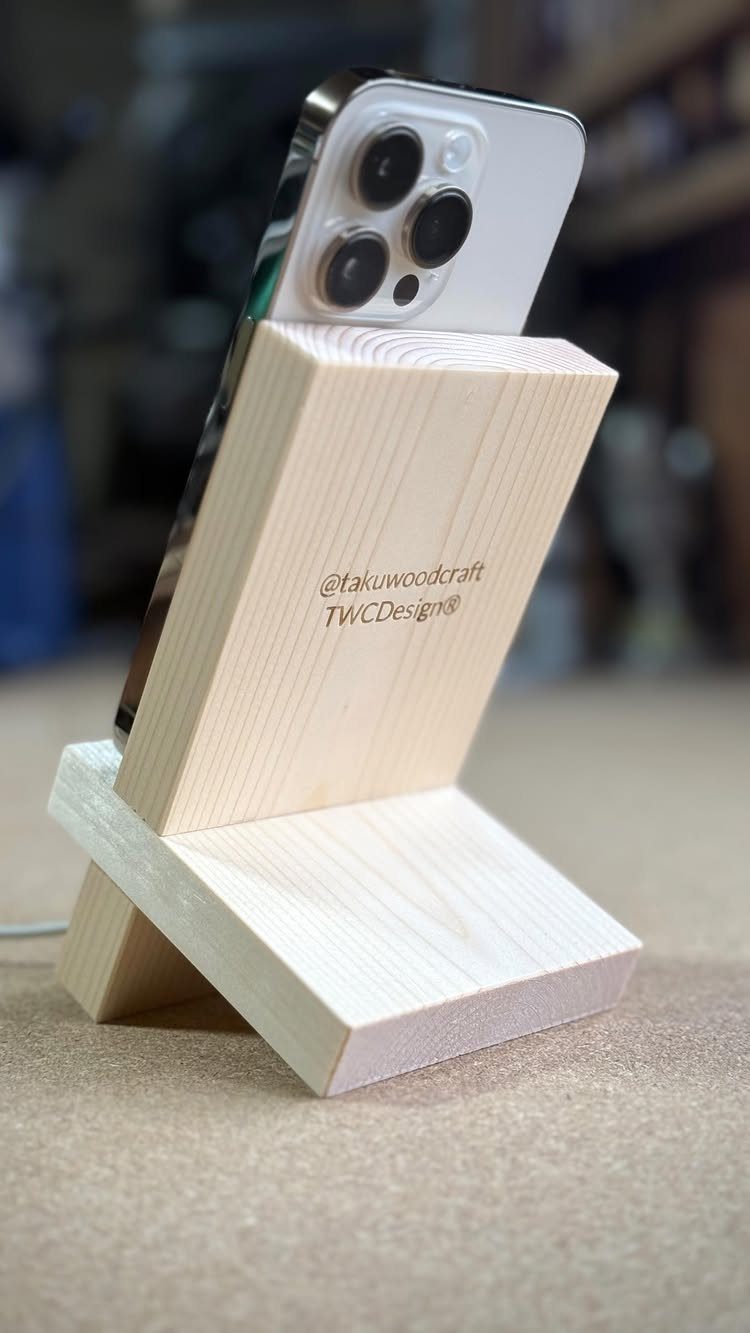
A phone stand is about as small as a sellable build gets, and a light wood cradle for a white phone looks clean enough to sit on any desk or nightstand.
Pitch it as an everyday tech piece: people prop up phones for video calls, recipes and charging.
Cut it from scrap, sand it smooth, and keep the finish pale so the wood grain stays visible. A burned or engraved logo on the face, like the maker’s mark here, doubles as branding on every listing photo.
Batch several from one pattern and sell them at a low price.
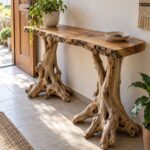
14. Wooden Garden Benches
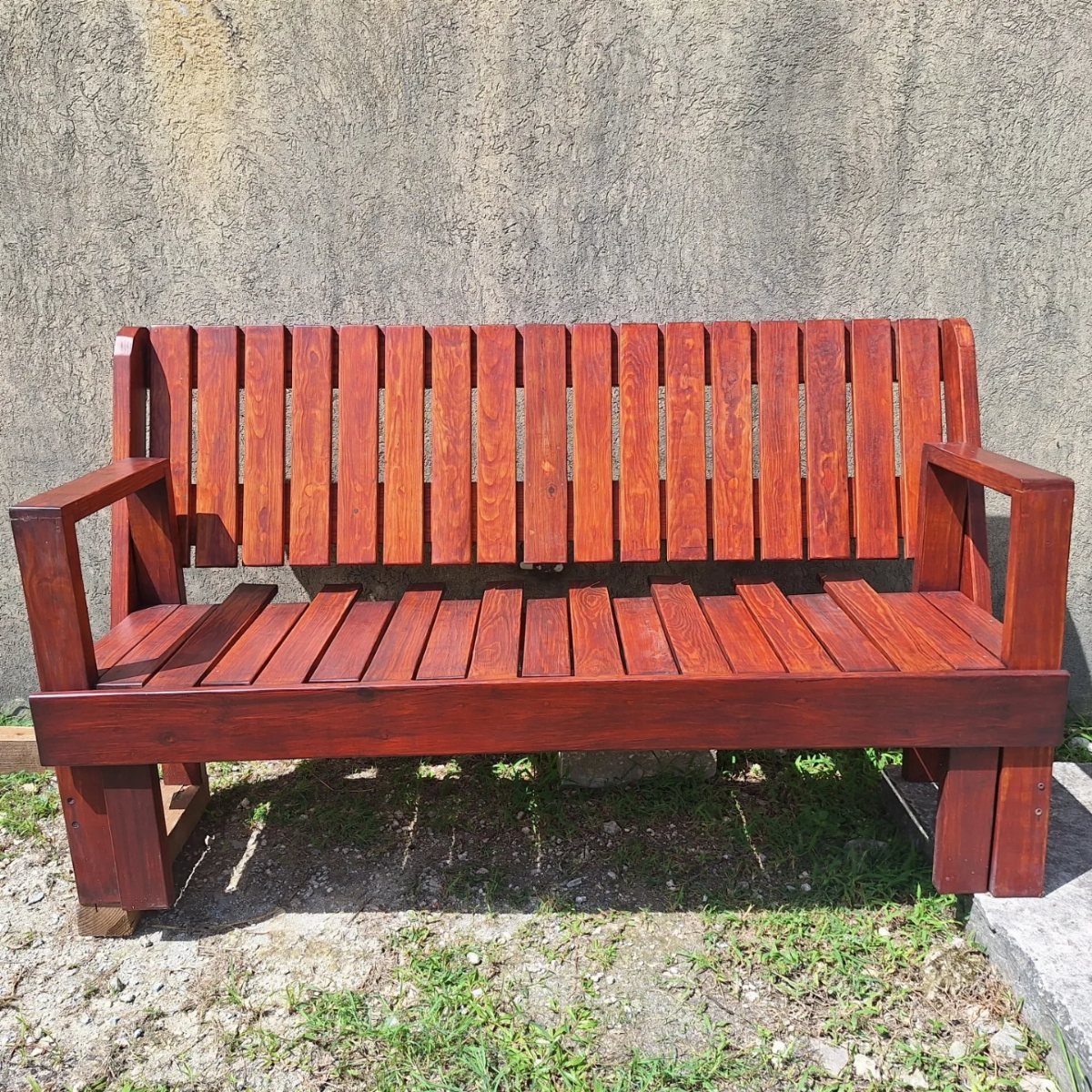
Garden benches are a big build, so I would treat them as made-to-order pieces rather than stock.
A slatted seat and back keep the design simple to cut and repeat, and a reddish-brown stain gives the wood a warm look against a plain wall or a green yard.
A garden bench eats through far more lumber than a cutting board or a plant stand, and the sealing coats take days to cure, so budget for both before you price it.
Price for both, and photograph each bench outdoors, since buyers picture it in their own yard.
How to Market Woodworking Projects
Trial and error is part of selling handmade work. Build a small batch of a few different items, see which ones draw questions and orders, and put your next weekend into those.
Know who is buying before you set up a listing. A craft fair crowd, a neighborhood group and an online shopper each want something different, so write each listing for one of them.
Price against what buyers can actually compare you to, then use online platforms where your buyers already shop. Photos and a clear description do most of the selling there.
Choosing the Right Materials
Pine is a good starting wood for anyone selling on a budget. It costs less than hardwood, cuts easily with basic tools, and takes stain well enough for most small pieces.
Reclaimed boards can cut costs further, but check each one for nails, staples and old finish before it touches a blade. Hidden metal ruins saw blades and can cause injury.
Selling raw materials is a different route. Craft supplies are a big category on Etsy, so offcuts and precut blanks may earn money alongside your finished pieces.
Pricing Strategies for Woodworking
A formula gives you a place to start. Multiply your materials cost by 4 for a base price, add $15–25 per hour for your labor, then add 15–20% for overhead like tools, workspace and packaging.
Apply the same math to a cutting board and the price comes out near $90, a long way above the $25–35 that factory-made boards go for.
That gap only holds if buyers can see why yours is worth more, so say what makes it handmade.
Before you settle on a number, check 3 things.
Did you count your time? Did you include every upfront expense?
Frequently Asked Questions
What are easy woodworking projects for beginners?
Coasters, phone stands and floating shelves are the easiest to start with. Coasters and phone stands can be cut from scrap and sanded smooth, and a floating shelf is mostly a plain board with a hidden mount.
Pine suits a first project: it’s cheaper than hardwood, saws and sands with basic hand tools, and accepts stain without much fuss.
What wood product sells the most?
Wooden signs and furniture are among the top sellers. Furniture like coffee tables brings a bigger price but costs more in lumber and finishing time.
Can woodworking be a good side hustle?
Yes, it can, especially if you start with small items and see what sells.
Make a few different small pieces in one batch, watch which ones get comments and orders, then put the following weekend into those. Cutting from scrap or pine keeps costs down while you learn what buyers want.
How much should I charge for woodworking projects?
Start with your materials cost times 4, then layer on $15–25 an hour for your time, and finish with a 15–20% cushion that covers tools, shop space and packaging.
Run a cutting board through that formula and you land around $90, far above the $25–35 a factory board sells for.