Which of these homemade tool projects suits you depends on one thing: what’s already sitting in your shop or garage.
A drill covers the bench top lathe and the sanding drum, a router covers the drill press jig, and a few scraps of wood get you started on the scraping tool, the hand plane, the tool handle or the try square.
The list runs from plywood builds finished in an afternoon to heirloom pieces cut from wood you’ve been saving, and every one has to work before it earns a spot on the bench.
1. Bench Top Lathe
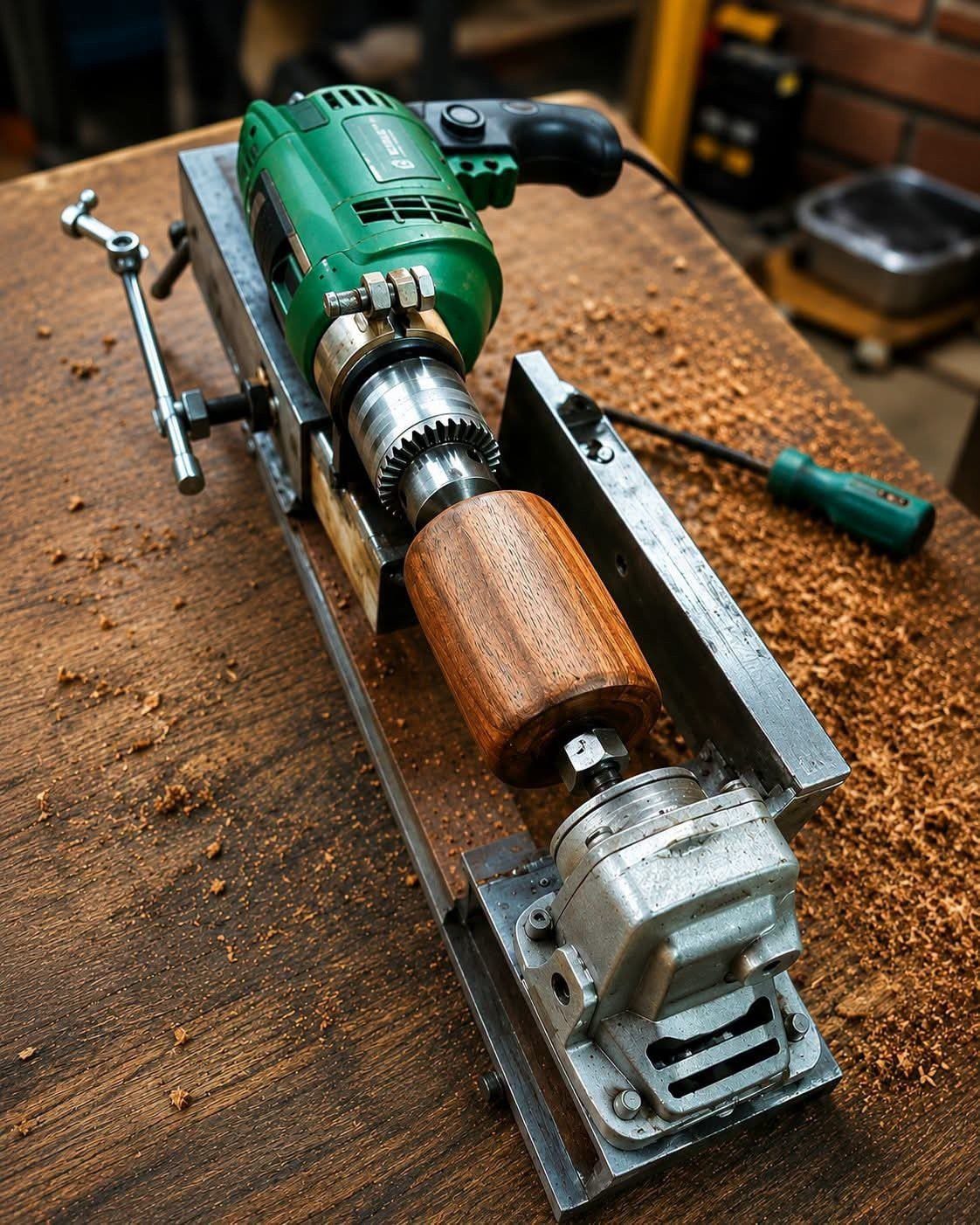
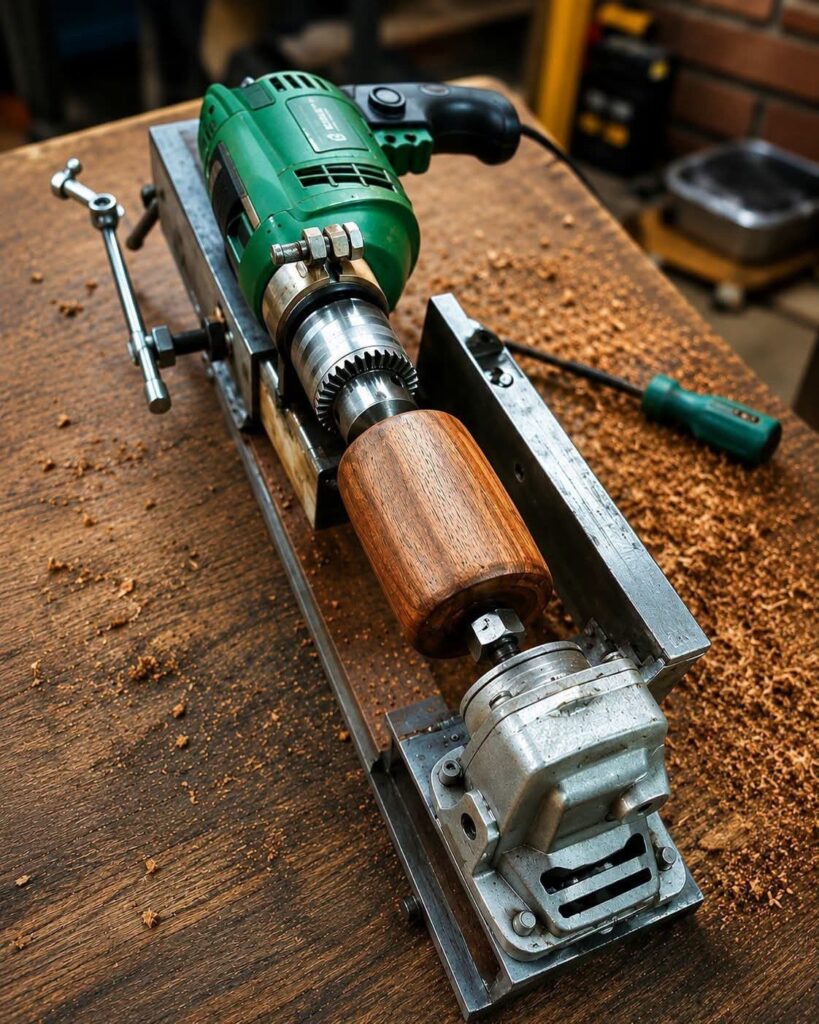
A drill makes a workable lathe because it already does the one hard job: spinning a workpiece at speed.
Clamp the drill to the bench so the chuck acts as the headstock, then add a rail-mounted tailstock to support the far end of the wood.
A straight cylinder is the right first project on a homemade lathe, because it lets you check that the spindle runs true and the tool rest sits steady before you try curves.
A simple spindle teaches tool rest height and a light touch without risking a big blank.
Expect less power than a real lathe, so take shallow cuts.
2. Drill-Mounted Sanding Drum
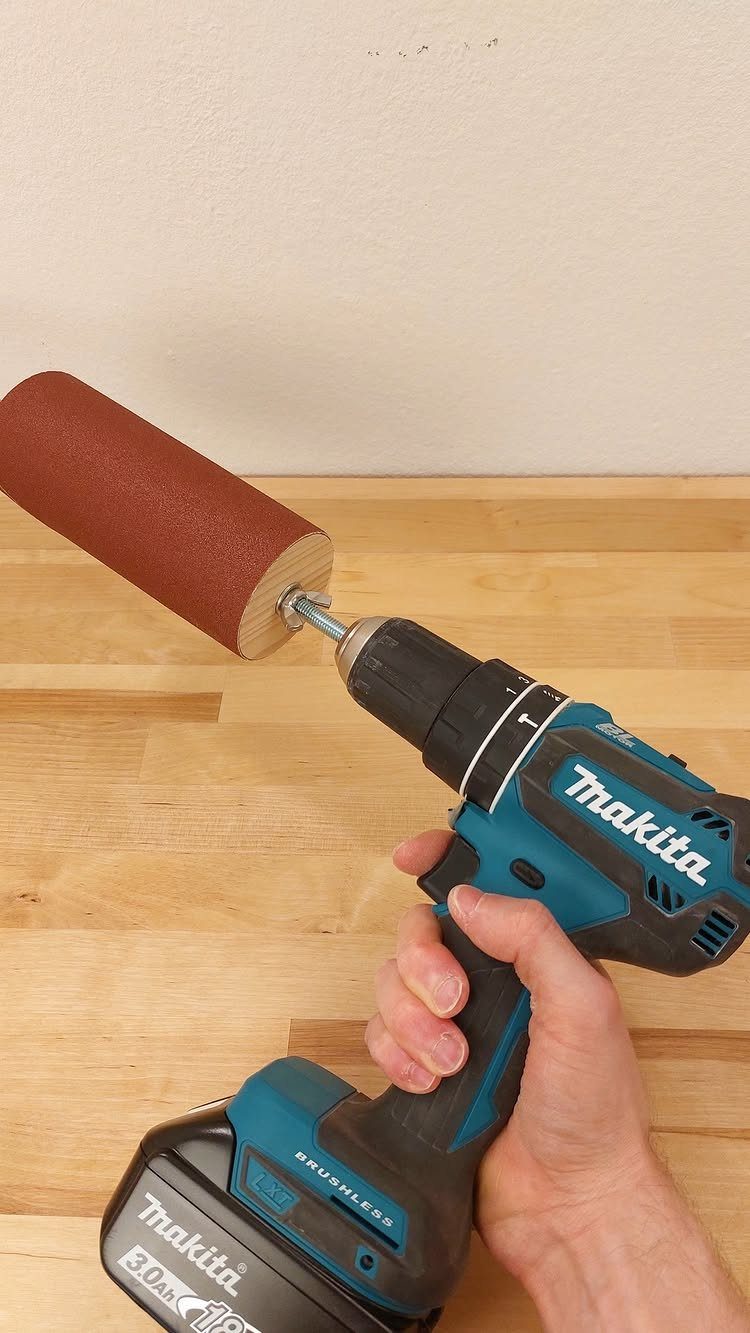
Chuck a homemade sanding drum into a cordless drill and you have a curve sander for the cost of a few scraps and some sandpaper. It handles inside curves and rounded edges that a flat sanding block can’t reach.
Hold the drill with both hands and keep the workpiece clamped to the bench. Keep the drill moving steadily along the edge rather than parking it in one spot, or the drum will dig a groove.
Start with coarse paper, then swap to finer grits for a smooth edge.
3. Wheeled Wooden Scraping Tool
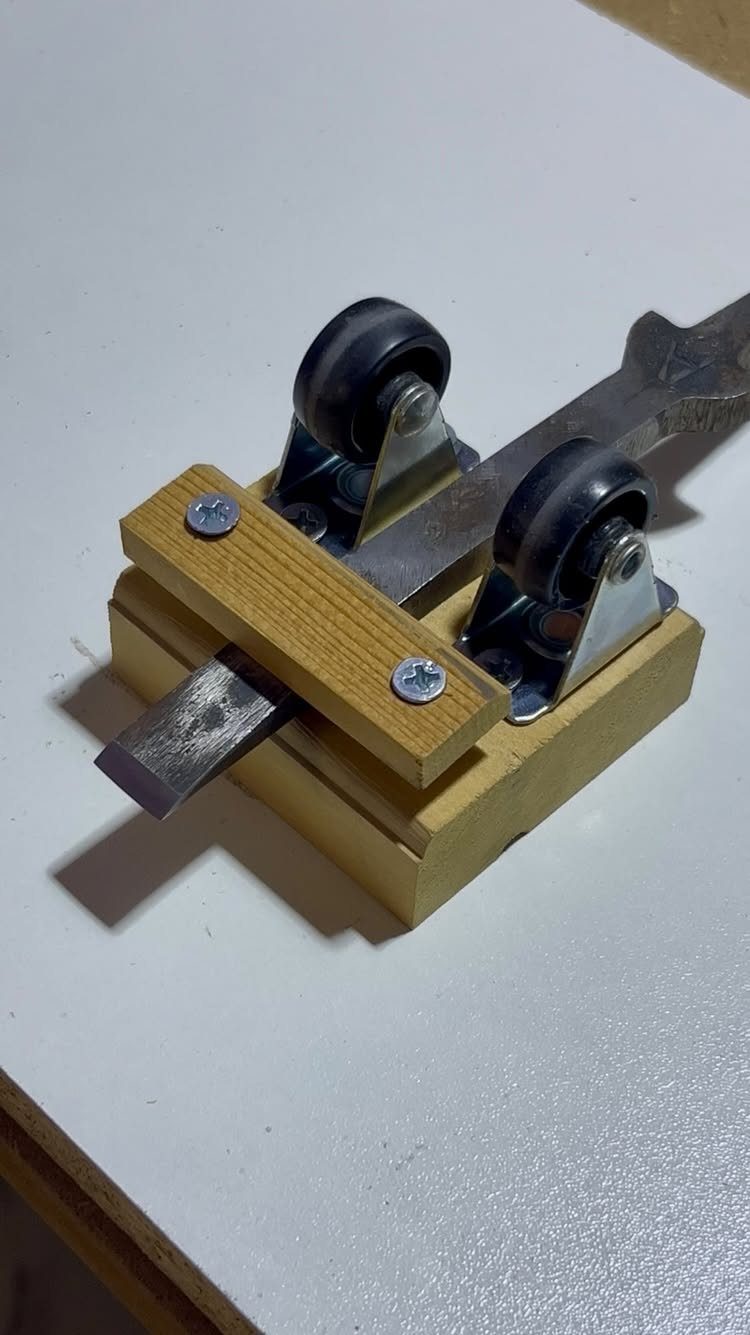
2 caster wheels on a block of wood give a scraper a built-in depth stop, and that is the clever part. The wheels ride the surface while the exposed metal blade shaves only as deep as you set it.
Mount the casters so they sit level, then fix the blade at a shallow angle. Small adjustments matter, so test on scrap before touching a good board.
Keep fingers clear of the blade, since it stays uncovered.
4. Handmade Wooden Hand Plane
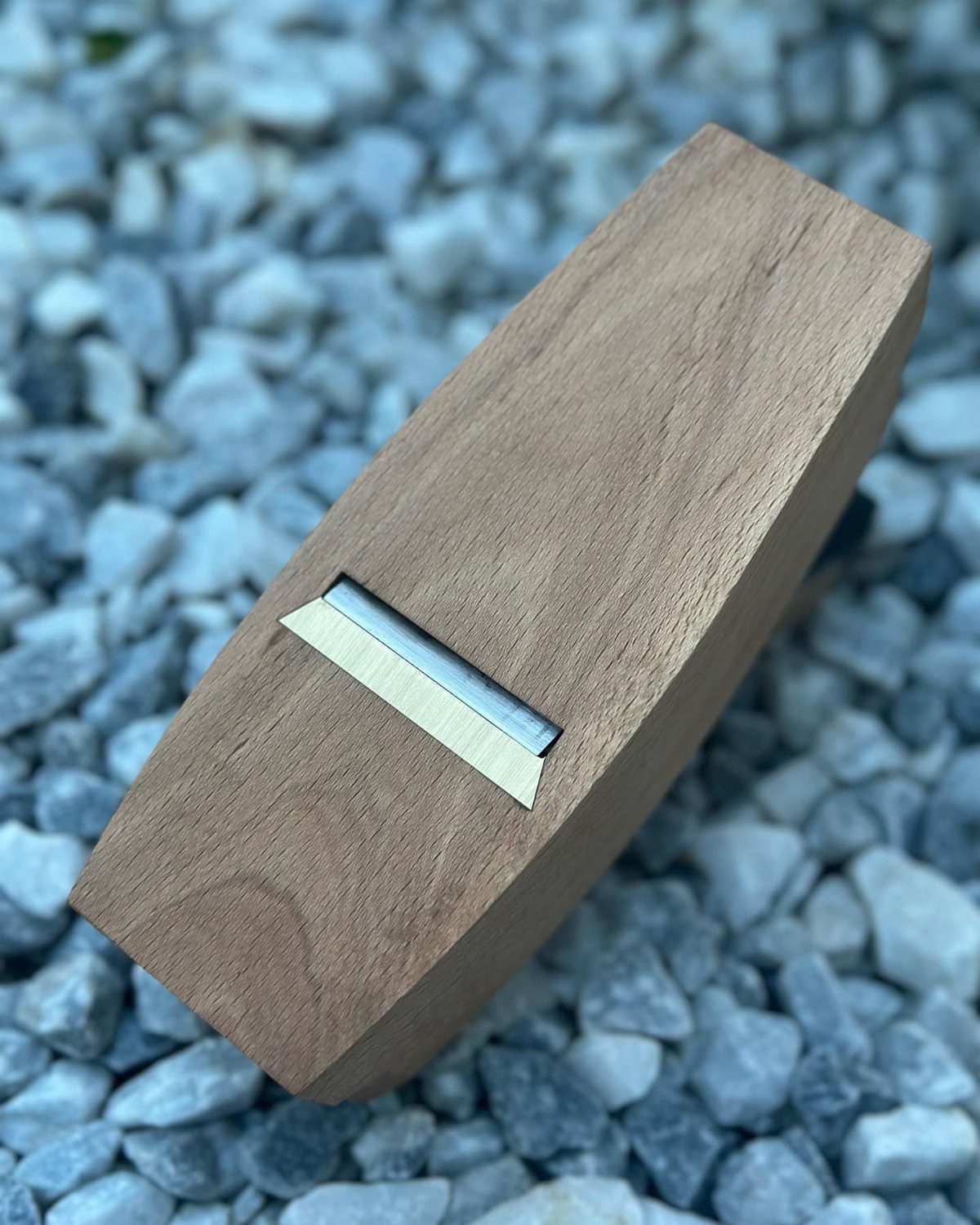
Making your own block plane teaches more about plane geometry than buying one ever will. A wooden body holds a metal blade, and the bed angle and mouth opening decide how cleanly it cuts.
Cut the mouth tight for fine shavings. Sharpen the blade before the first pass, because a dull edge will tear the grain no matter how well the body is built.
Wood bodies can be tuned with a chisel or sandpaper, which is a real advantage over cast metal.
5. Router Drill Press Jig
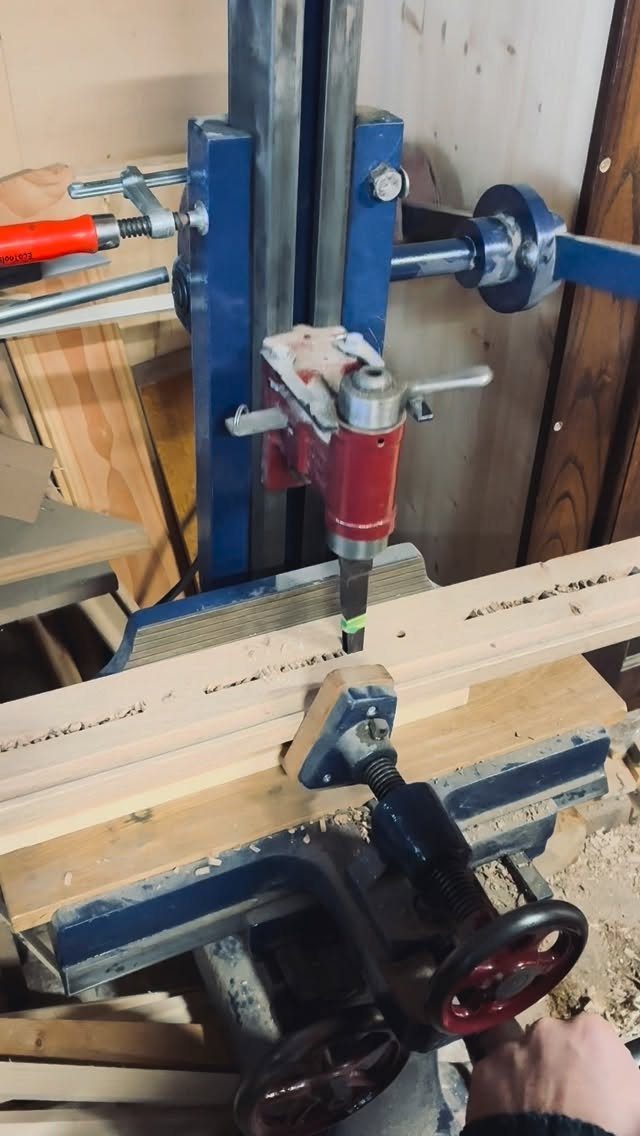
The router’s plunge action replaces the quill, so the bit drops in a controlled line.
Build the frame square, because any lean shows up in every hole. Clamp the workpiece before plunging.
I like this for woodworkers who own a router but not a drill press. Expect to spend time getting the frame rigid, since flex ruins accuracy.
6. Handcrafted Wooden Tool Handle

A turned chisel handle in dark wood with a pale collar looks far better than the plastic one that came with the blade, and it fits your hand.
The light ring is a ferrule-style accent, and it also gives the handle a clean visual break.
Test the grip as you shape it, and stop when it feels right in your palm.
Finish with a simple oil or wax so the grain stays visible.
7. Custom Wooden Try Square
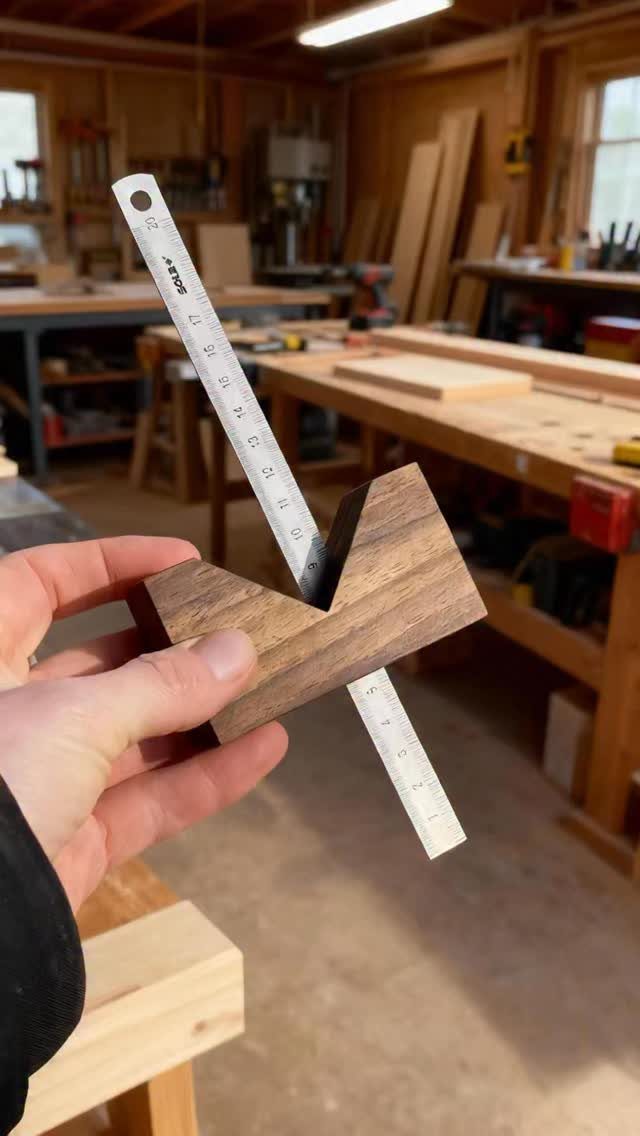
A try square checks and marks square, and a wooden one with a metal ruler set into the stock lets you measure and scribe a line in one pass. Making your own means you pick the size and the wood.
Cut the slot for the ruler snug, so it seats without wiggle.
Then check the finished square against a line drawn from a known straight edge: flip the square and draw again. If the 2 lines match, the angle is true.
Sand the inside faces lightly and leave them flat, since any rounding there throws off the reading. A rule you can read at a glance is worth the extra time.
Benefits of Homemade Tools
Saving money is the reason most people start, but it rarely ends there. A shopmade tool can be sized to your hand, your bench height or one odd job that no store-bought version handles well.
Homemade tools range widely. Some are plywood, glued and screwed together in an afternoon.
Others are heirloom pieces made from wood you’ve been saving. Even a small change counts: reshaping a chisel on a grinder is a homemade tool project too.
Whatever the build, the tool has to work. A handsome tool that flexes, wobbles or cuts poorly will sit in a drawer, so judge each project by how well it performs, not how it looks.
Building your own also makes the shop feel like yours. I think that pride is a real benefit, and it makes you want to use the tool.