The projects here run from a birdhouse built from a few straight cuts to a dog house with an arched doorway, and the one that fits you is set by the space you have to put it in: a wall-mounted coat rack or wine rack costs no floor space, while a pallet table or dog house needs a real corner or a yard.
Scrap boards cover a good share of the list.
1. Cutting Boards
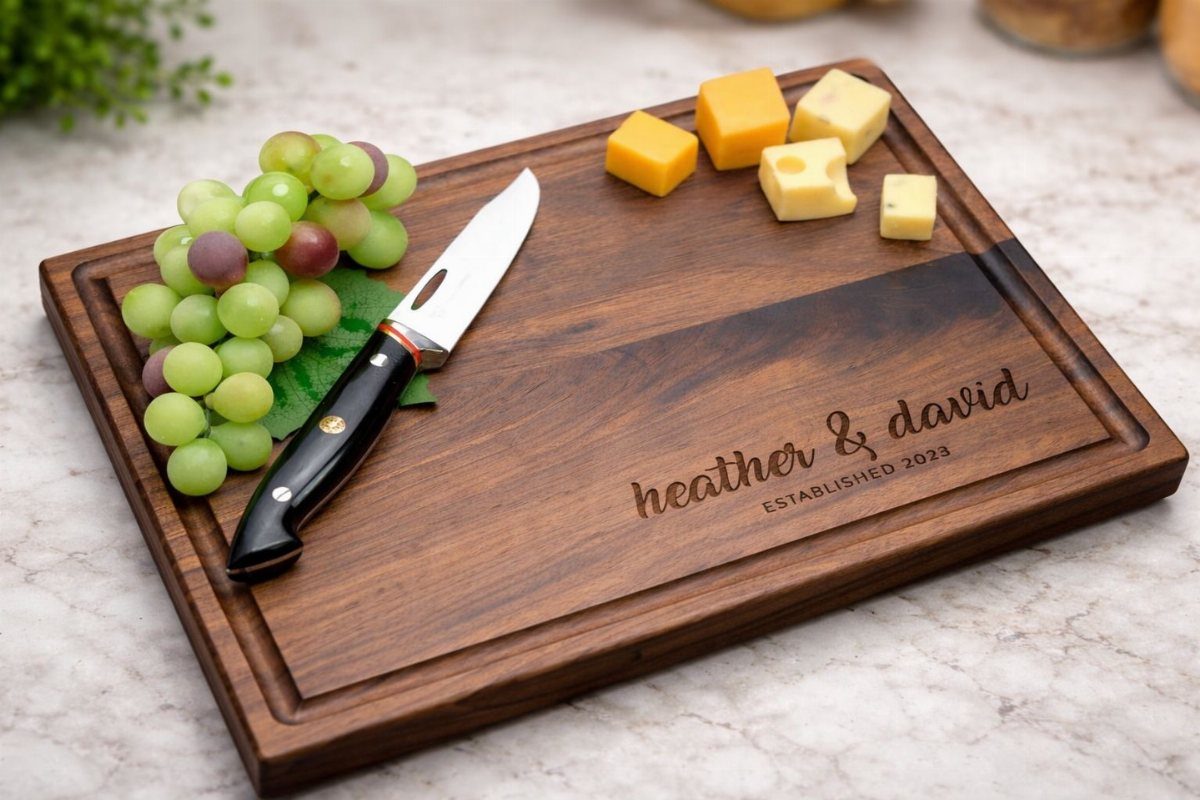
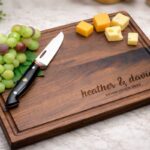
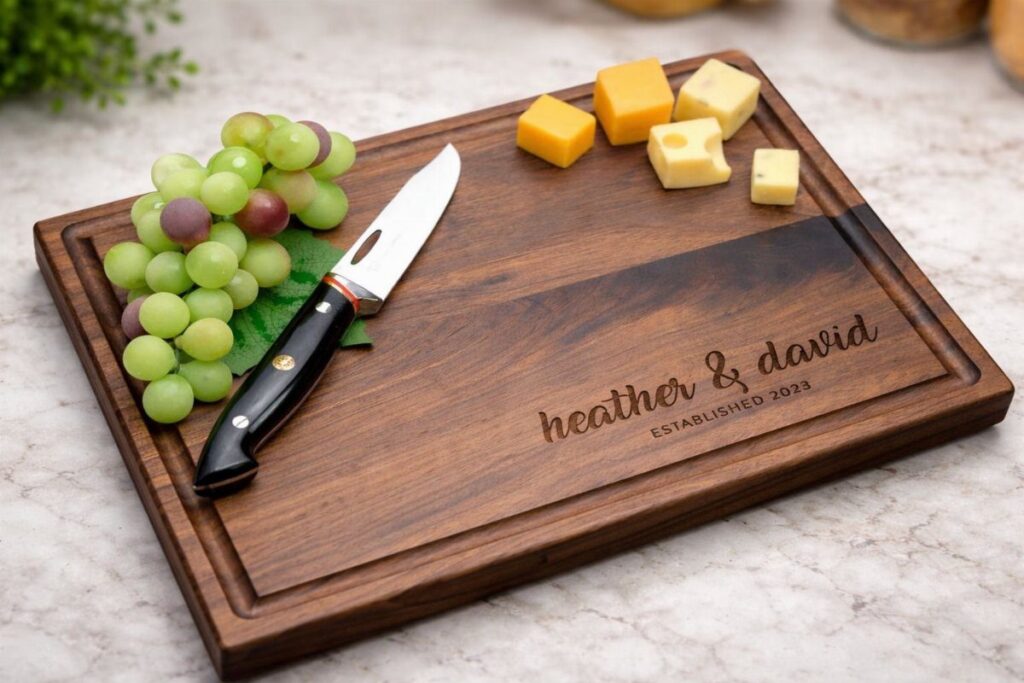
A name and a date burned or engraved into a board turns a kitchen basic into a wedding or housewarming gift. Keep the lettering simple and centered, with room around it so a knife never scrapes across the words.
Hardwood is my pick for a board that will see real use. Sand it smooth, then wipe on a food-safe finish so the engraving stays crisp.
2. Birdhouses
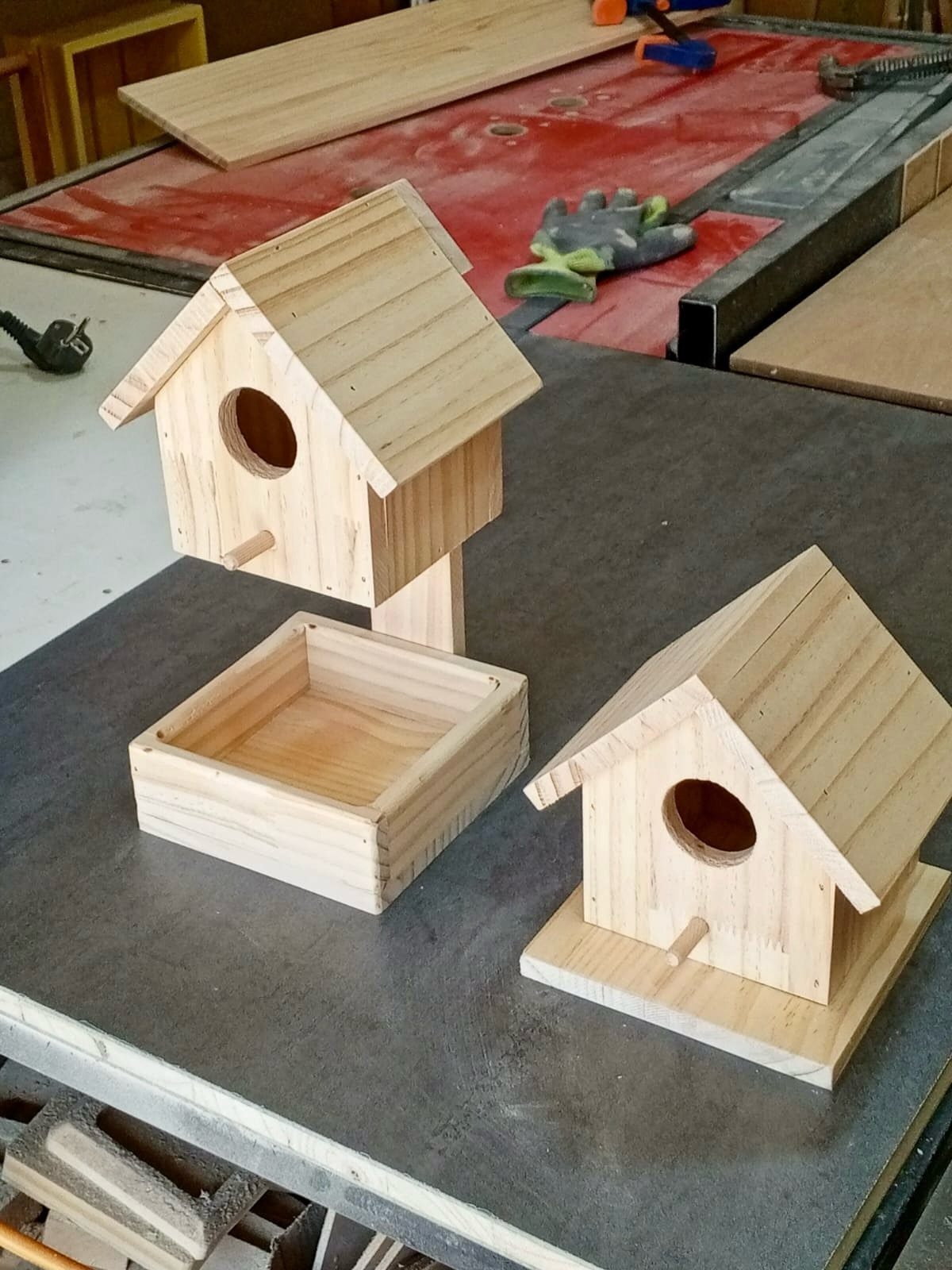
Small birdhouses are about as friendly as a first build gets: a few straight cuts, a box, a roof. Leaving the wood unfinished on the outside is a perfectly good choice, and it saves you the cost of paint.
Cut all the pieces before gluing anything, then dry-fit them. A pencil mark on each joint keeps the roof and walls from getting mixed up.
3. Picture Frames
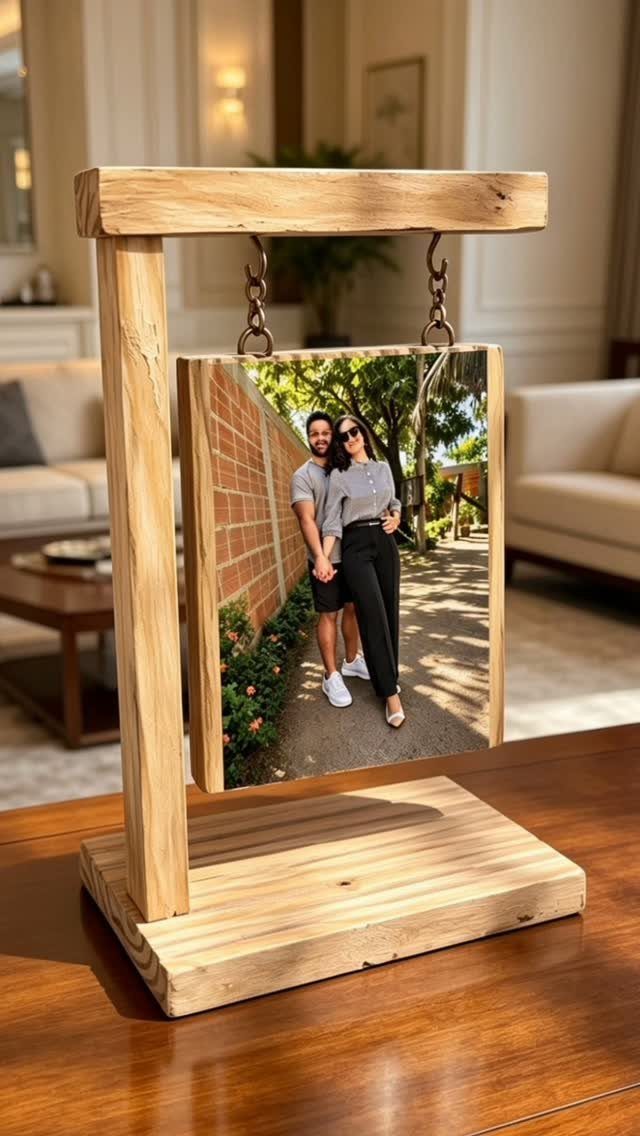
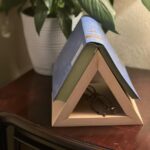
Light-colored wood suits a picture frame well because it lets the photo do the talking. A simple stand-up design needs only a mitered frame and a thin back, which makes it a quick afternoon project.
Size the frame to a print you already own so you spend nothing extra.
4. Serving Trays
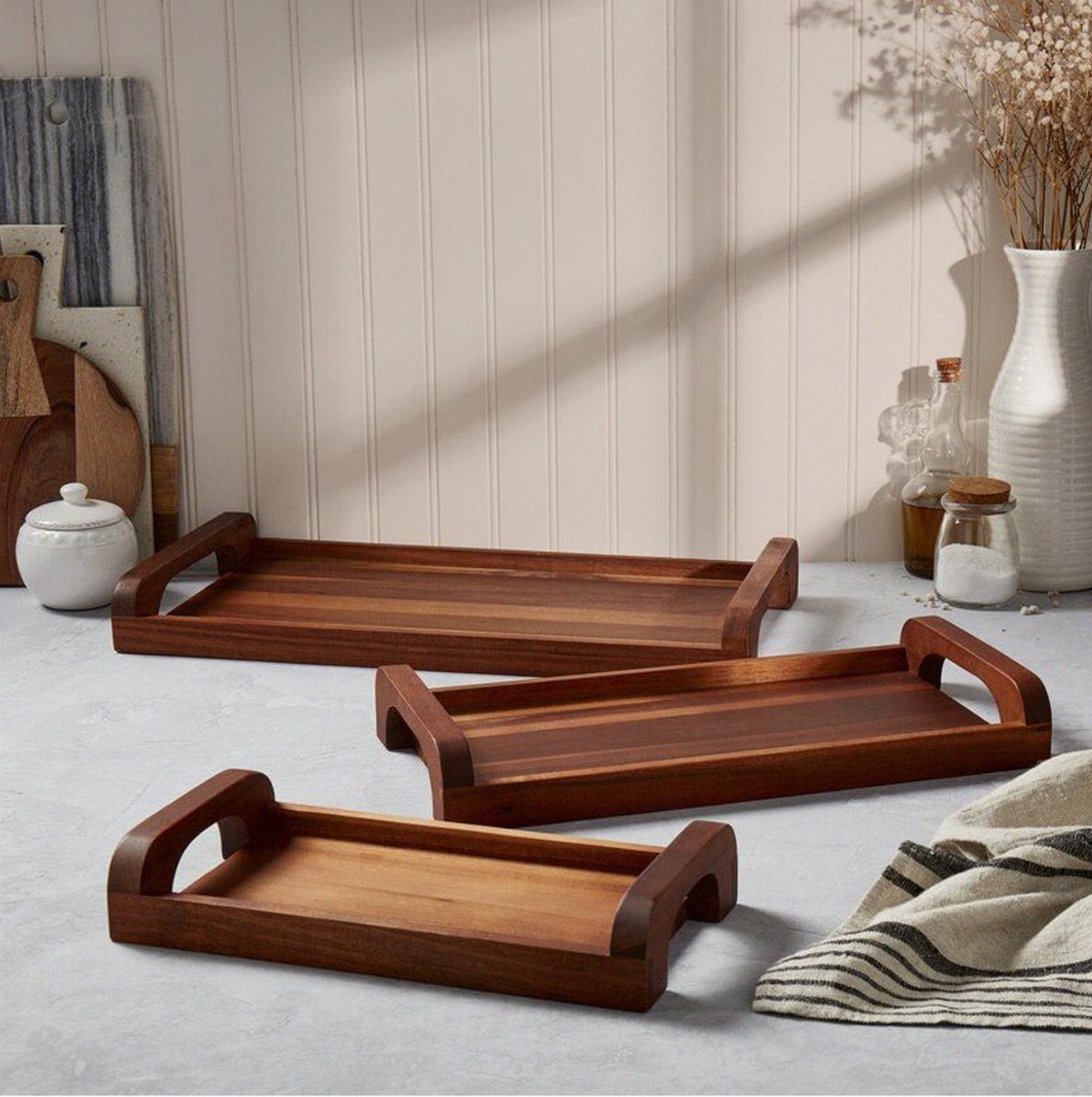
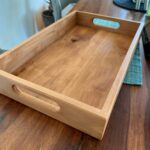
Trays look best in a set of different sizes, and scrap boards make that cheap. A flat bottom, low sides and a pair of handles are all a basic tray needs.
Sand every edge until it feels soft under your thumb, since hands will be gripping it. Keep the wood natural if the tray will carry food.
5. Planter Boxes
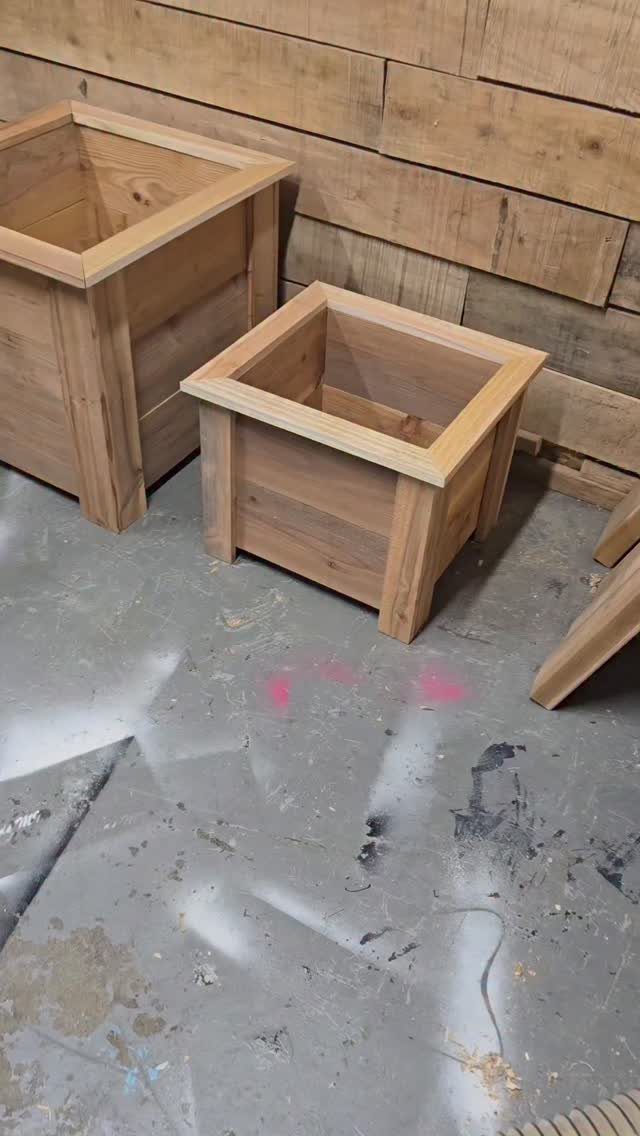
Square boxes are the easiest planters to build, and making 2 sizes lets you group them for a layered look. Screws hold better than nails once soil gets wet and heavy.
Drill a few drainage holes in the bottom so roots do not sit in water. I would add a liner or a coat of sealer before filling the box, because bare wood and damp soil are a short-lived pairing.
6. Coat Racks
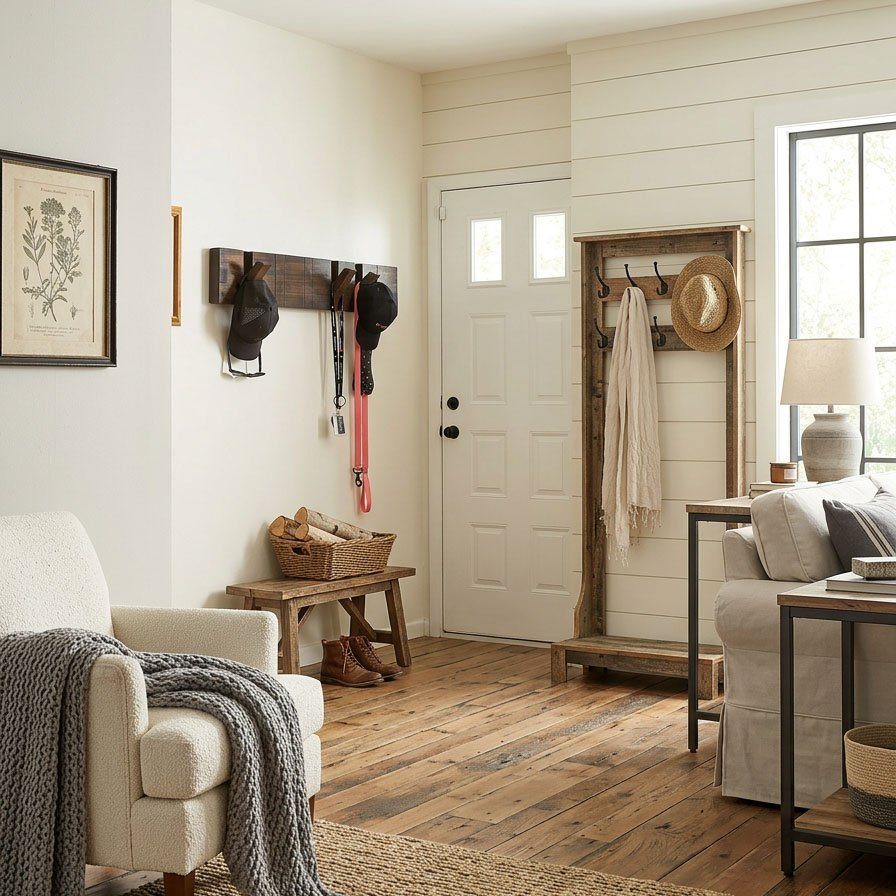
A wall-mounted rack is the better pick for a small entry: one board, a few hooks, and no floor space lost. A freestanding hall tree holds more, but it needs a bigger corner.
Mark the hook spots with a pencil and a level before drilling. Screw into wall studs when you can, since coats get heavy fast.
7. Shelves
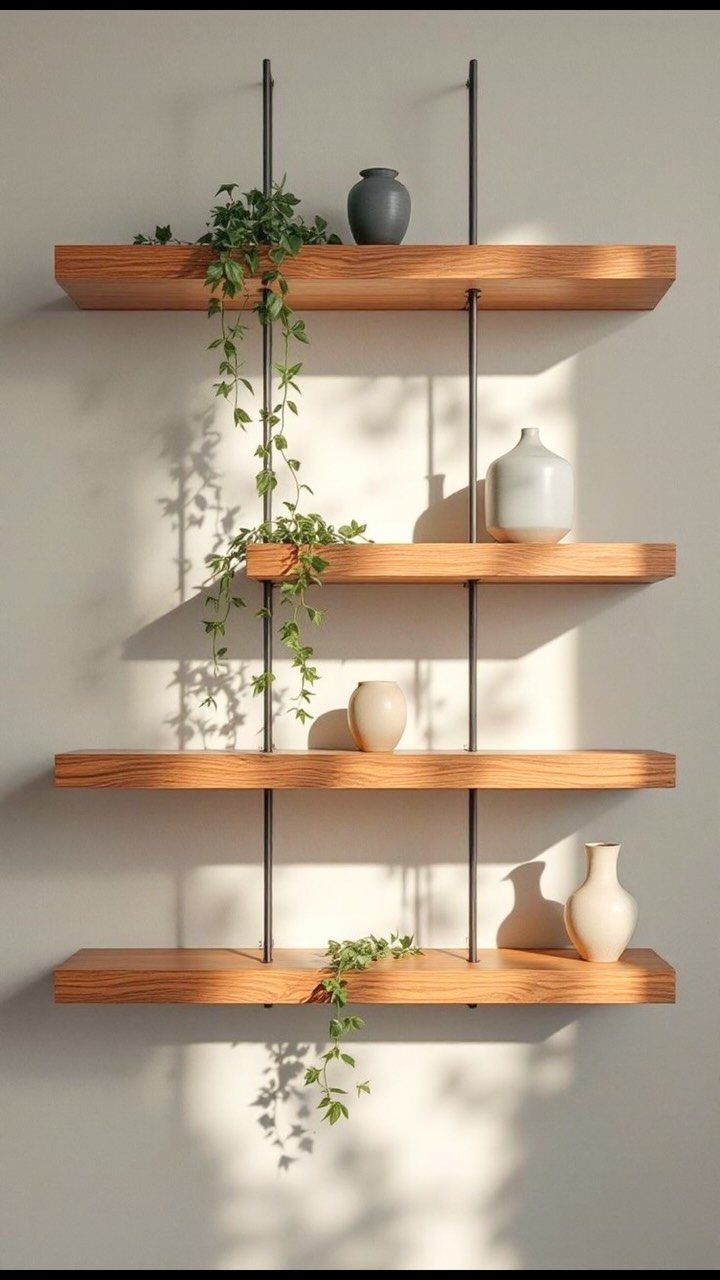
Floating shelves on vertical rods are a clean way to stack storage up a wall without bulky brackets.
Small shelves suit plants and little vases, since thin boards only need to carry light things, and 3/4-inch pine handles that with a pair of sturdy brackets.
Cut the shelves from one board so the grain matches from level to level. Keep the spacing between them even, and check each one with a level before you tighten anything.
8. Wine Racks
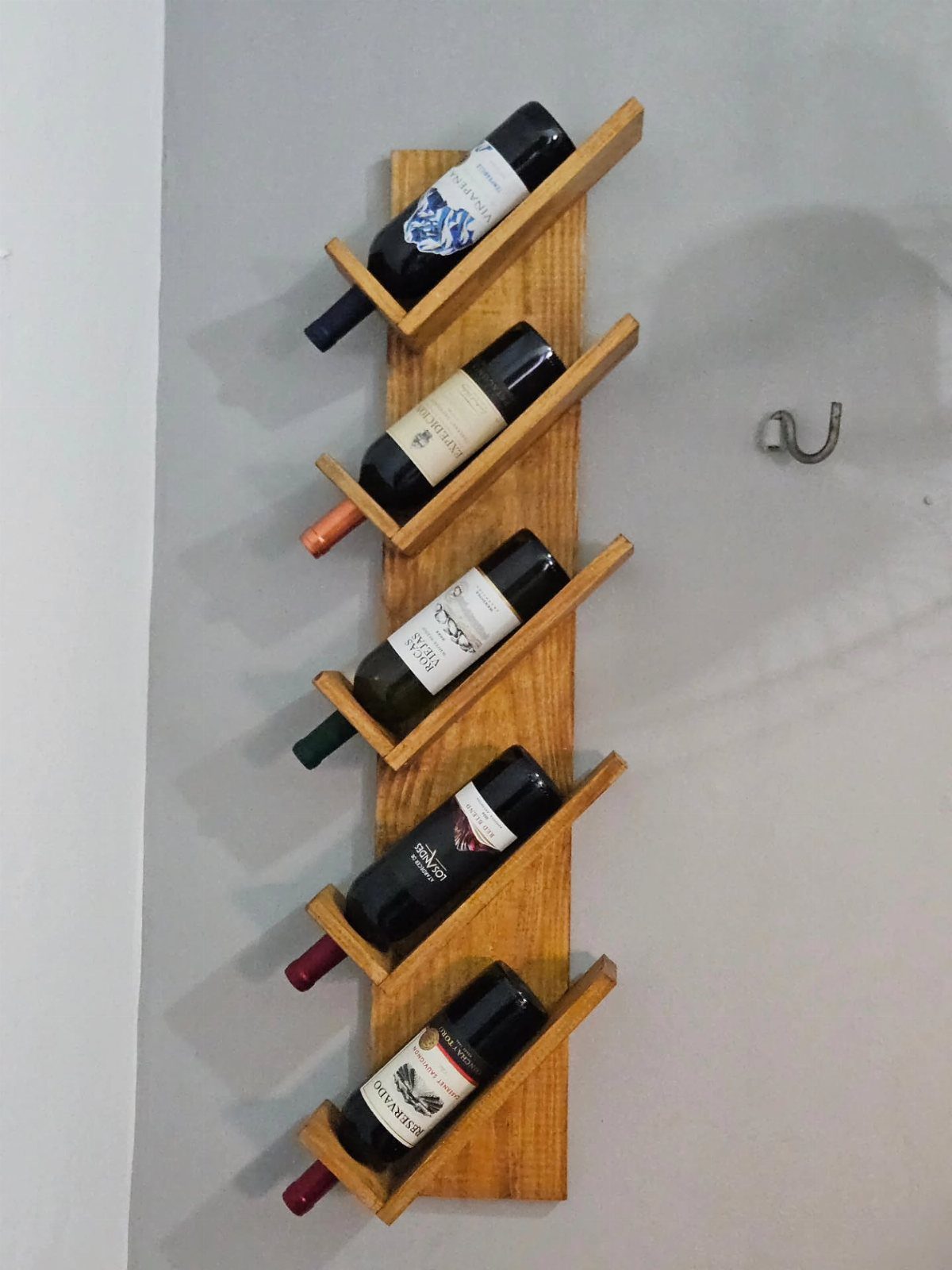
A slanted slot is what holds a bottle on this wall rack, and cutting those slots is the only step that needs care.
Mark the angle once on a paper template, then trace it onto every slot so they all match.
Sand the inside of each slot smooth so glass slides in without catching. Mounting it on a wall keeps floor and counter space free, which I like in a small kitchen.
9. Easy Pallet Table
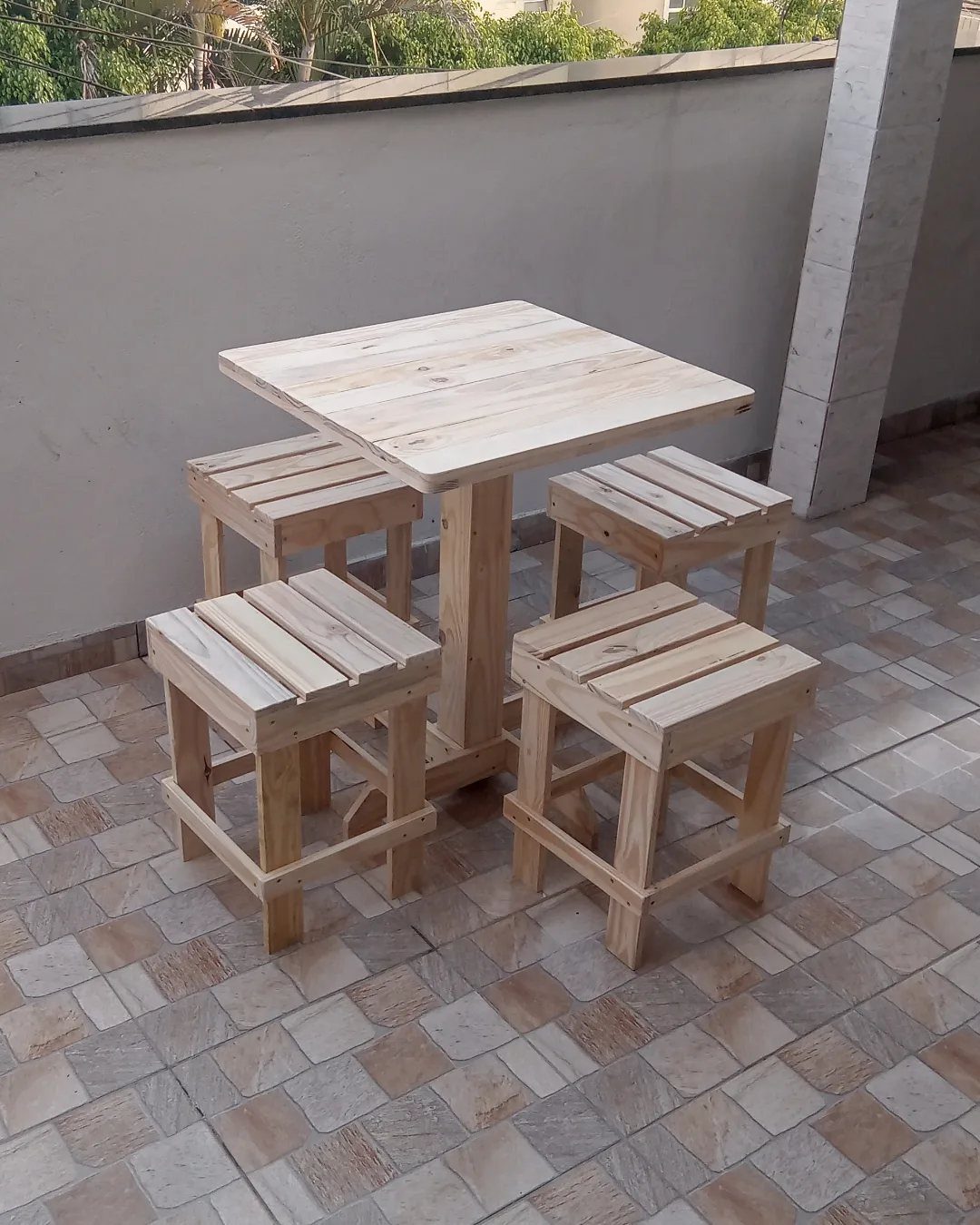
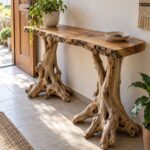
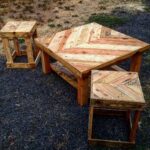
Pallet boards already come cut to length, which is why this table and its stools go together so quickly. Square up a top, add legs, and repeat the same build smaller for each stool.
Sand the rough spots first, because pallet wood snags skin and clothing.
Leaving it unfinished looks good on a balcony, though a coat of exterior sealer is my pick if it will sit in the rain. It works indoors just as well.
10. Couch (Sofa) Caddy
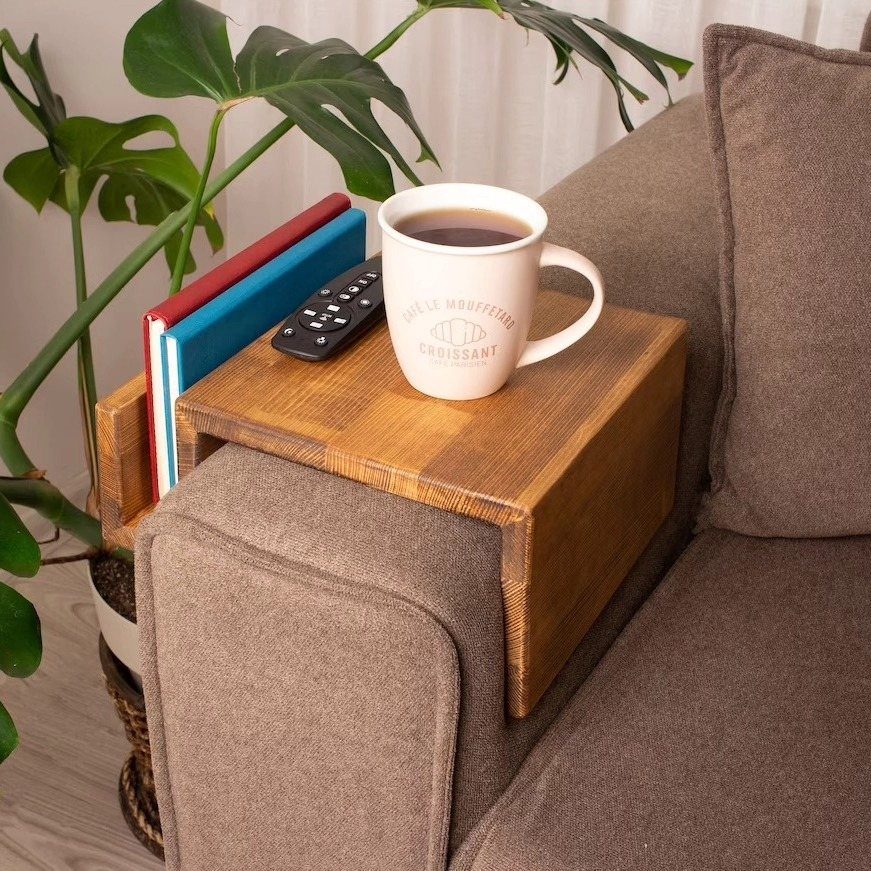
A couch caddy is a flat top that rests on the sofa arm with a drop-down side to hold it in place.
A caddy that drapes over the sofa arm keeps mugs, remotes and books in one spot instead of on the cushions.
It also makes a good first design project for kids.
Let them choose the compartment sizes by laying their own mug and a remote on the board, then trace around them. Measure your sofa arm width before cutting so the caddy sits level.
11. Phone and Photo Stand
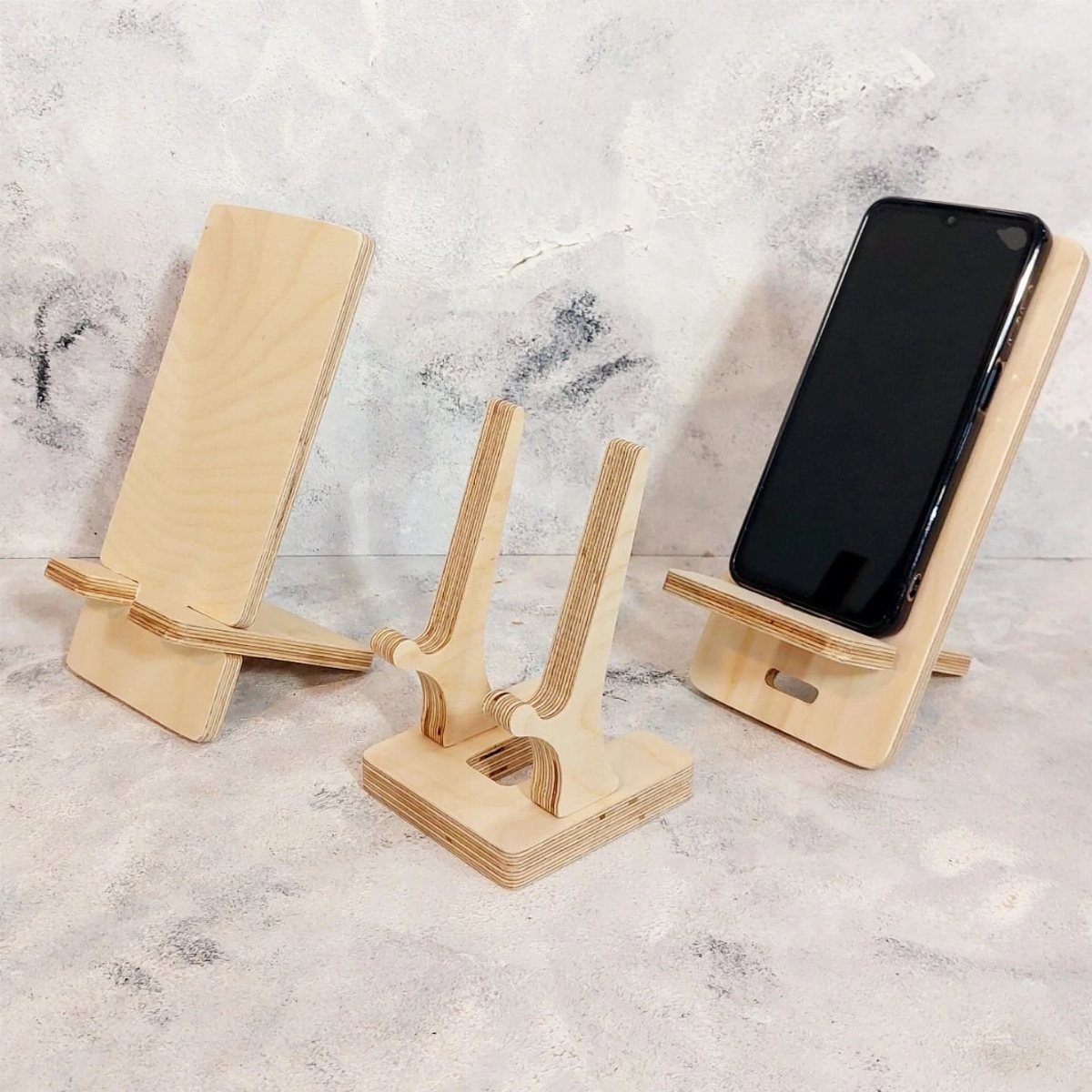
A phone stand is a small slotted piece of plywood, and you can finish one in 30 minutes or less. That speed makes a batch of them a sensible gift to sell.
Cut the groove just wide enough for a phone to lean back at a relaxed angle.
A flat panel version works the same way for a photo. Sand every edge soft, then leave the wood light and natural so it suits any desk.
12. Dog Houses
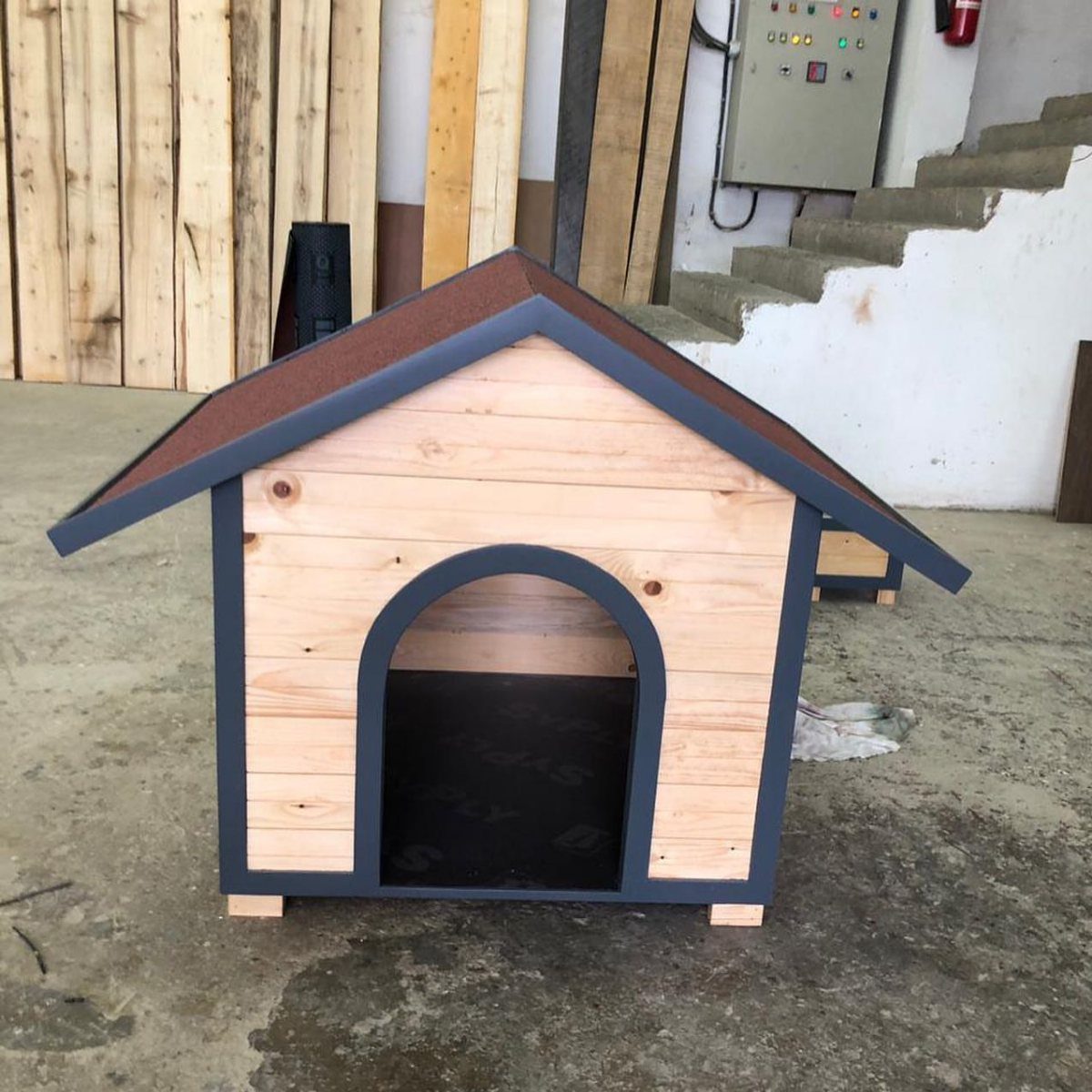
A dog house is the biggest build for this kind of project, but the shape is still a box with a roof and one opening.
An arched doorway is the detail I would copy; it looks finished and costs only a few extra jigsaw cuts.
Customizing is the fun part: trim and roof can take a different color from the walls. Pick exterior paint, and build it larger than you think so your dog can turn around inside.
13. Wooden Step Stool
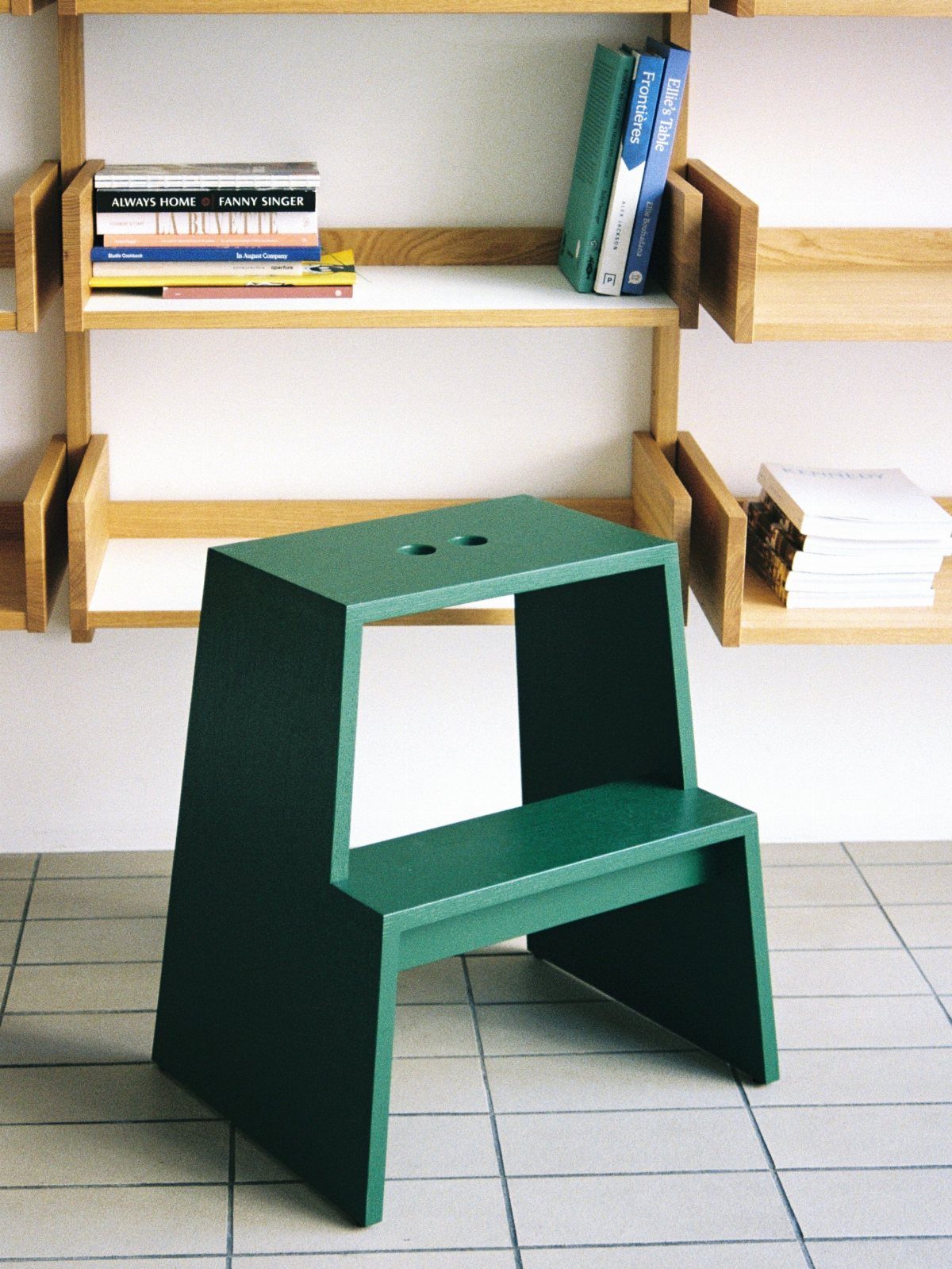
2 steps and a hand hole are all a wooden step stool needs, and a coat of bright paint turns a plain utility piece into something worth leaving out in the room.
It gives a child a boost at the sink and an adult a reach to the top shelf, so one stool does double duty.
The hole in the top step doubles as a carry handle, and a jigsaw cuts it easily. Sand the edges soft, then paint the whole stool in a color that suits the room.
Using Scrap Wood Effectively
Offcuts are the cheapest lumber you will ever work with, and small projects are the best place to spend them. Keep a bin by the saw so leftovers from one build don’t pile up in the garage for months.
Sort the pile by thickness before you start a project. Pieces of matching thickness go together without extra planing, and a mixed stack tells you quickly what is possible.
Scrap also pushes you to design around what you have instead of buying to a plan. That habit saves money, keeps usable wood out of the trash, and often gives a more interesting piece than a fresh board would.
Beginner-friendly Projects
A handsaw, a sanding block, and a drill or even a hammer and nails cover every project here, so a corner of the kitchen table is plenty of workspace.
A handful of basic tools gets a small project built, and most of them finish in a short stretch of time.
Start with the build that uses the fewest cuts, and let the first one be a little imperfect.
Straight cuts, clean sanding and square joints are skills that grow with repetition, and a small piece lets you practice them without wasting much wood.
Once one project goes smoothly, move to a design with one new step. Adding a single skill at a time keeps the hobby fun instead of intimidating.
Customization Options
Personal touches are what make a handmade piece feel like yours, and there are 3 easy places to make them: design, color and function.
Change the look with a stain, a paint color, or a pattern burned into the surface. Test any finish on a scrap first, since the same stain reads differently on each species of wood.
Change the function by resizing parts to fit what you actually own or need. A piece sized to your space will be used far more than a standard one.
Pick one change per project. Several at once make it harder to see what worked.
Frequently Asked Questions
What are some useful things I can make with wood?
Cutting boards, picture frames, birdhouses, serving trays, planter boxes and coat racks all work well.
A wall-mounted coat rack needs just one board and a few hooks, and a simple stand-up picture frame is a quick afternoon build. Small projects like these use up scrap wood and need only basic tools.
Is woodcraft free?
Not entirely, since you usually pay for wood and a few tools. Scrap bins and leftover pieces from bigger builds keep costs close to zero, and small crafts rarely need more than a foot or two of board anyway.
Where can I buy wood crafting supplies?
Local hardware stores and craft retailers both carry wood crafting supplies.
Before buying anything, check your own scrap bin, because leftover boards often cover a small project. Pallet boards are another low-cost source, and they already come cut to length.
Does Michaels sell craft wood?
Yes, Michaels sells various types of craft wood. It suits very small pieces, while a hardware store is usually the better stop for larger boards like the 3/4-inch pine used for shelves.