The ideas here run from a few cut lengths of PVC pipe screwed under a shelf to a rolling cart with a pegboard side, drawers and locking casters, so the range is wide in both cost and build time.
What decides your pick is where the clutter sits now: small parts loose in drawers need dividers, offcuts stacked in a corner need a plywood unit with compartments, and tools left on the floor need a cabinet under the bench.
Match the fix to the pile you trip over first, and the rest can wait.
1. Drawer Organizers
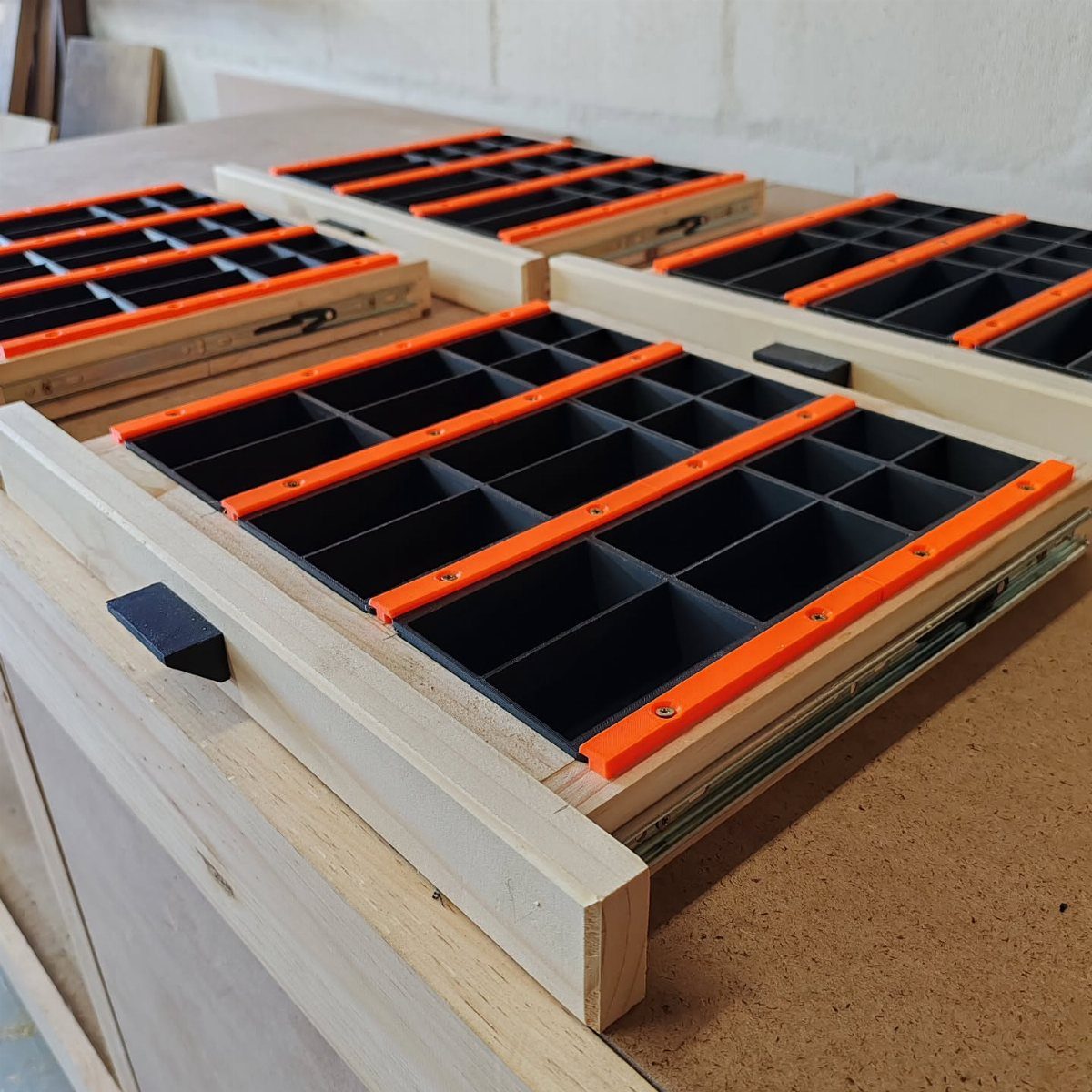
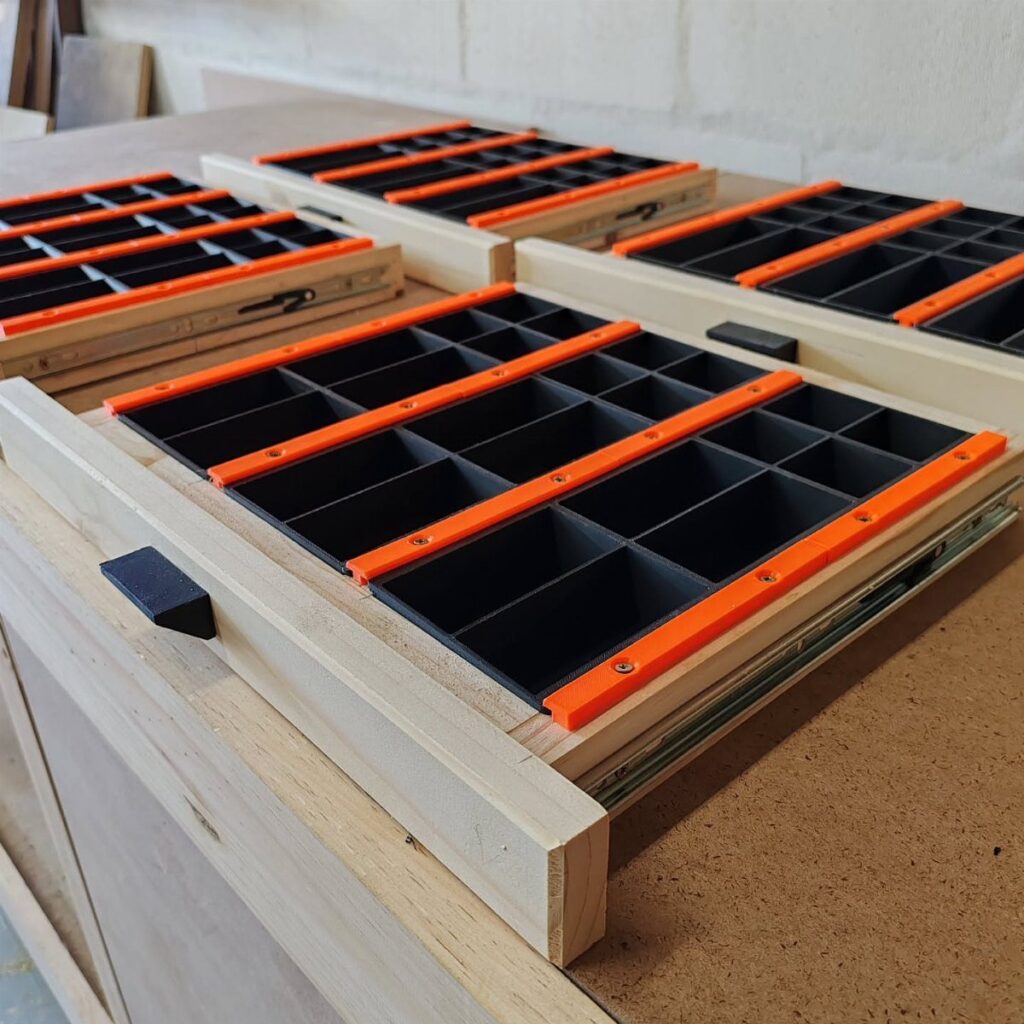
Small parts vanish fastest in a drawer with nothing to separate them, and a grid insert fixes that. Fitted dividers keep screws, bits and hand tools from sliding into one pile every time the drawer closes.
Black foam with orange dividers shows a missing or dropped item at a glance, and that contrast helps a lot in a dim shop.
For a budget version, I’d sort by task rather than by tool type, so the pieces for one job sit together.
2. Wall-Mounted Bins
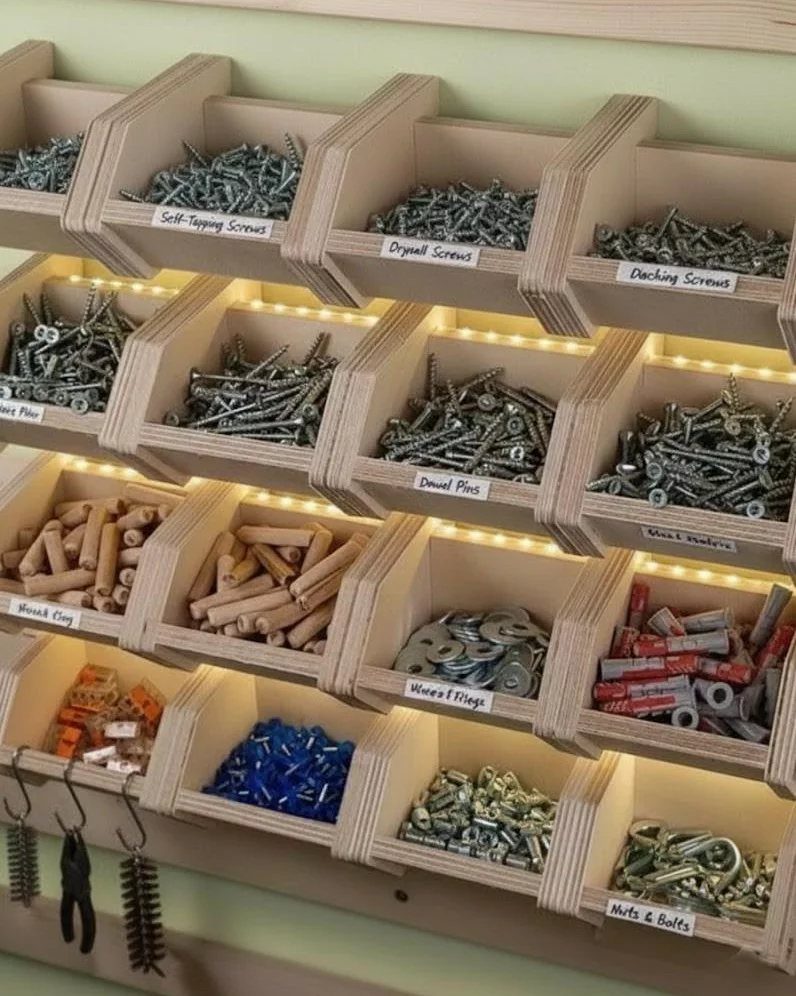
Wall space costs nothing, and small bins turn a bare stretch of it into a place for screws, dowels and bolts. Mounting them at eye level beside the bench keeps the hardware within reach.
Labels do half the work here.
Naming each bin, such as "Self-Tapping Screws" or "Nuts & Bolts," saves you from opening three to find one. I’d build them from scrap plywood, since a shallow wooden bin holds a surprising amount without taking much floor space.
3. Clear Storage Bins
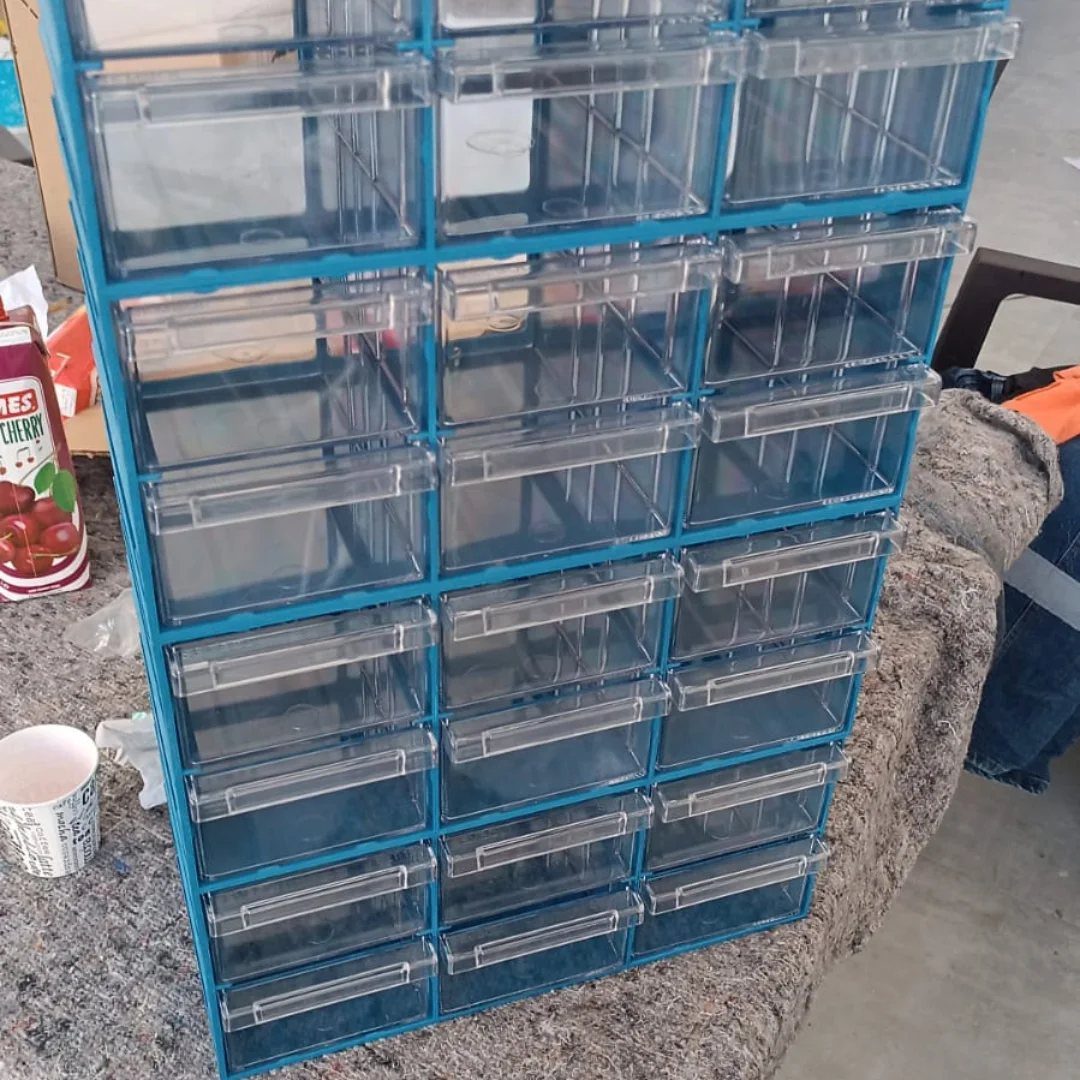
Clear drawers let you see a washer or a drill bit without pulling anything open. A plastic organizer with rows of transparent drawers is the cheapest way I know to sort small hardware.
It sits on a bench or shelf and takes almost no setup.
Fill each drawer with one item type only; mixing defeats the point of seeing inside. Add a label anyway for items that look alike, such as screws of similar length.
4. Scrap Wood Storage Shelving
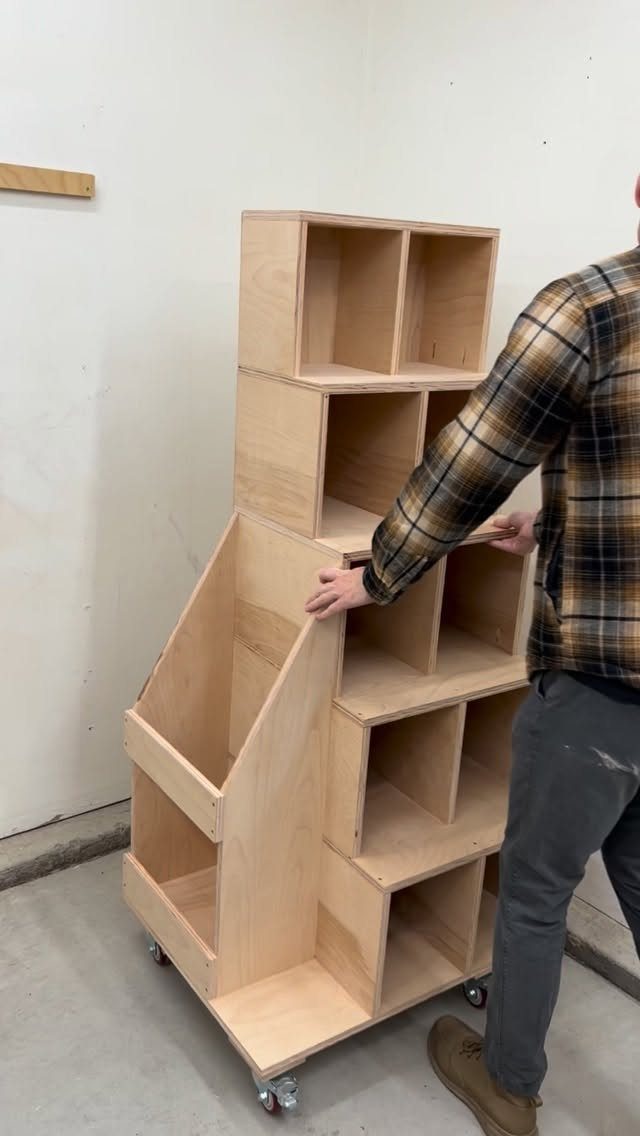
Offcuts pile up quickly, and a tall plywood unit with separate compartments keeps them sorted instead of stacked in a corner. Putting it on casters means it can roll out of the way or sit against any wall.
Plywood is the sensible build material, since it is cheap and stiff, and scraps from earlier projects can make the dividers.
Sort compartments by size or species so you can find a piece without pulling out the whole stack. Lock the casters when it is loaded.
5. Under-Bench Storage Cabinets
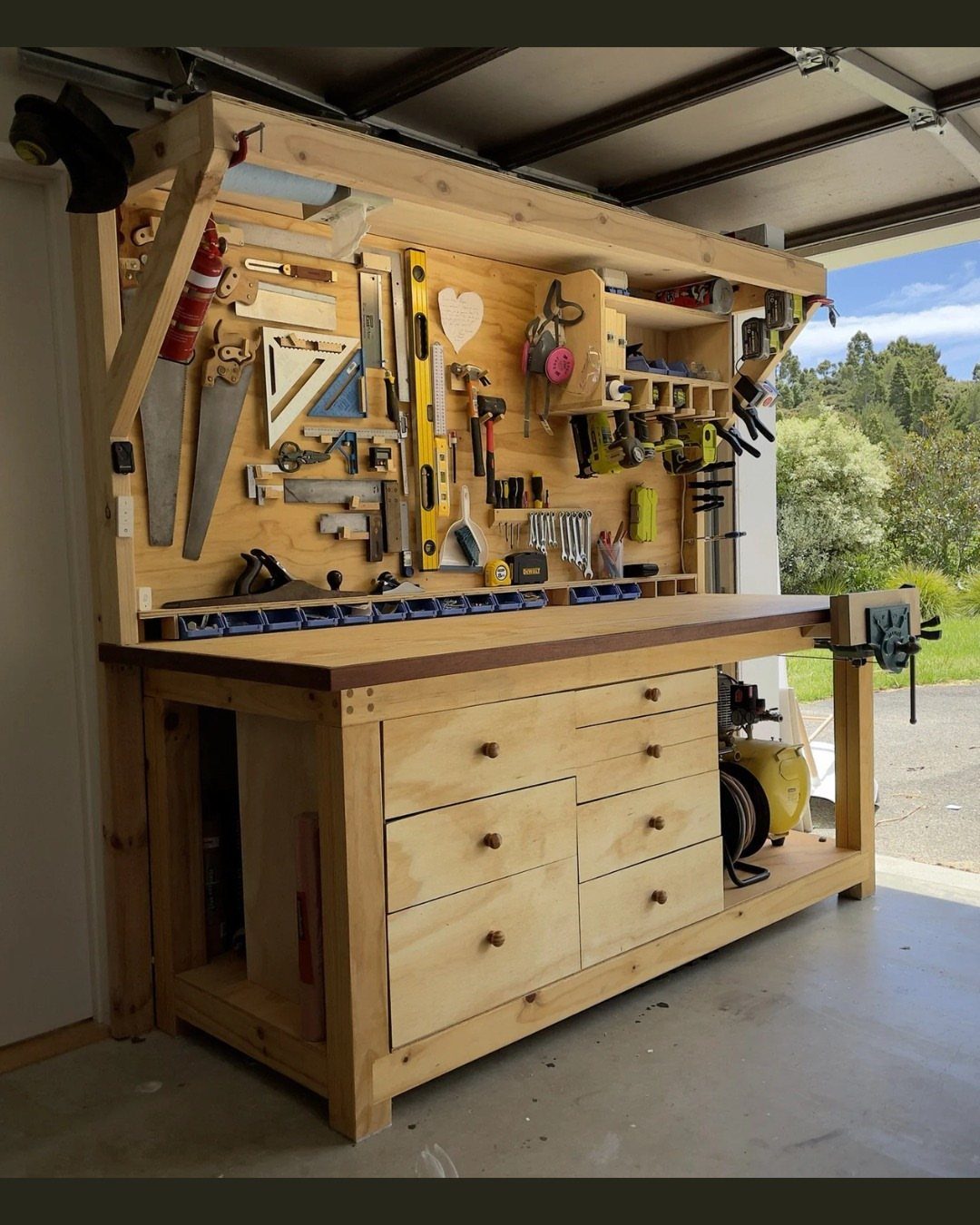
Under a workbench sits some of the most wasted room in a small shop. Built-in drawers and shelves down there hold tools and supplies right where you work, and keep the floor clear.
Plan the openings around what you own: shallow drawers for hand tools, taller shelves for power tools.
A power tool left on the floor is the clearest sign a shop needs under-bench storage, since a cabinet gives drills and sanders a home and clears the walkway.
I’d build the cabinets first and the bench top over them, so everything fits.
6. French Cleat System
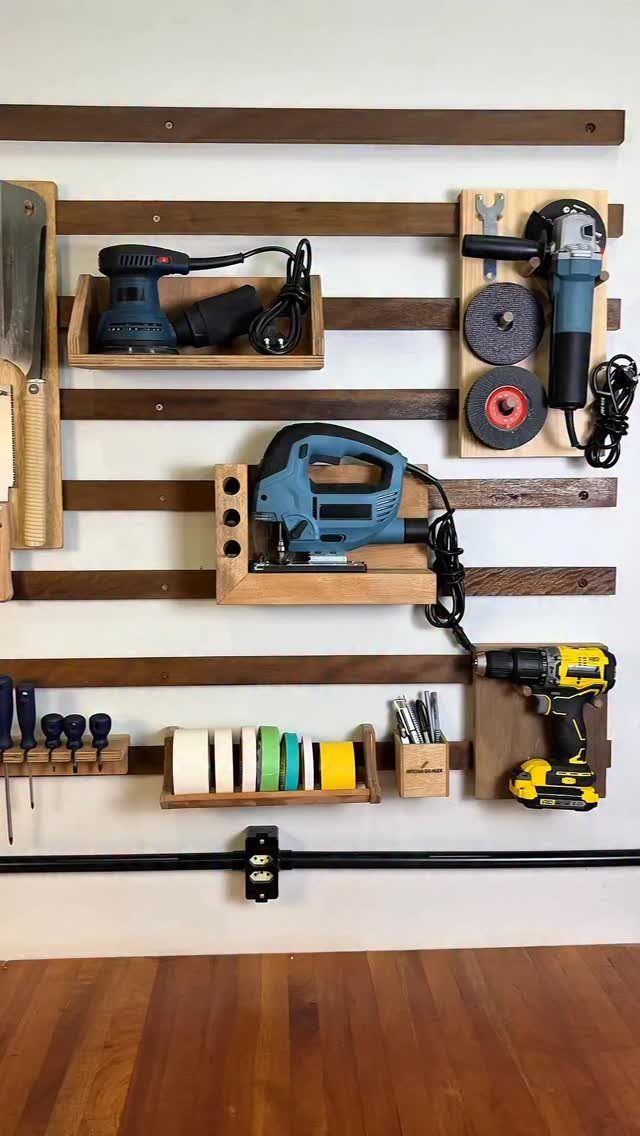
2 strips of wood cut at matching angles make a French cleat, and every holder you hang on it lifts off and moves wherever you like. That flexibility is why I prefer it to fixed hooks.
Fasten one strip to the wall and the other to the back of each holder.
Shape each holder to its tool: a jigsaw, a sander, a drill or a set of sharpening stones each get their own. When your tool collection changes, rearrange the holders instead of drilling new holes.
7. Tool Chest
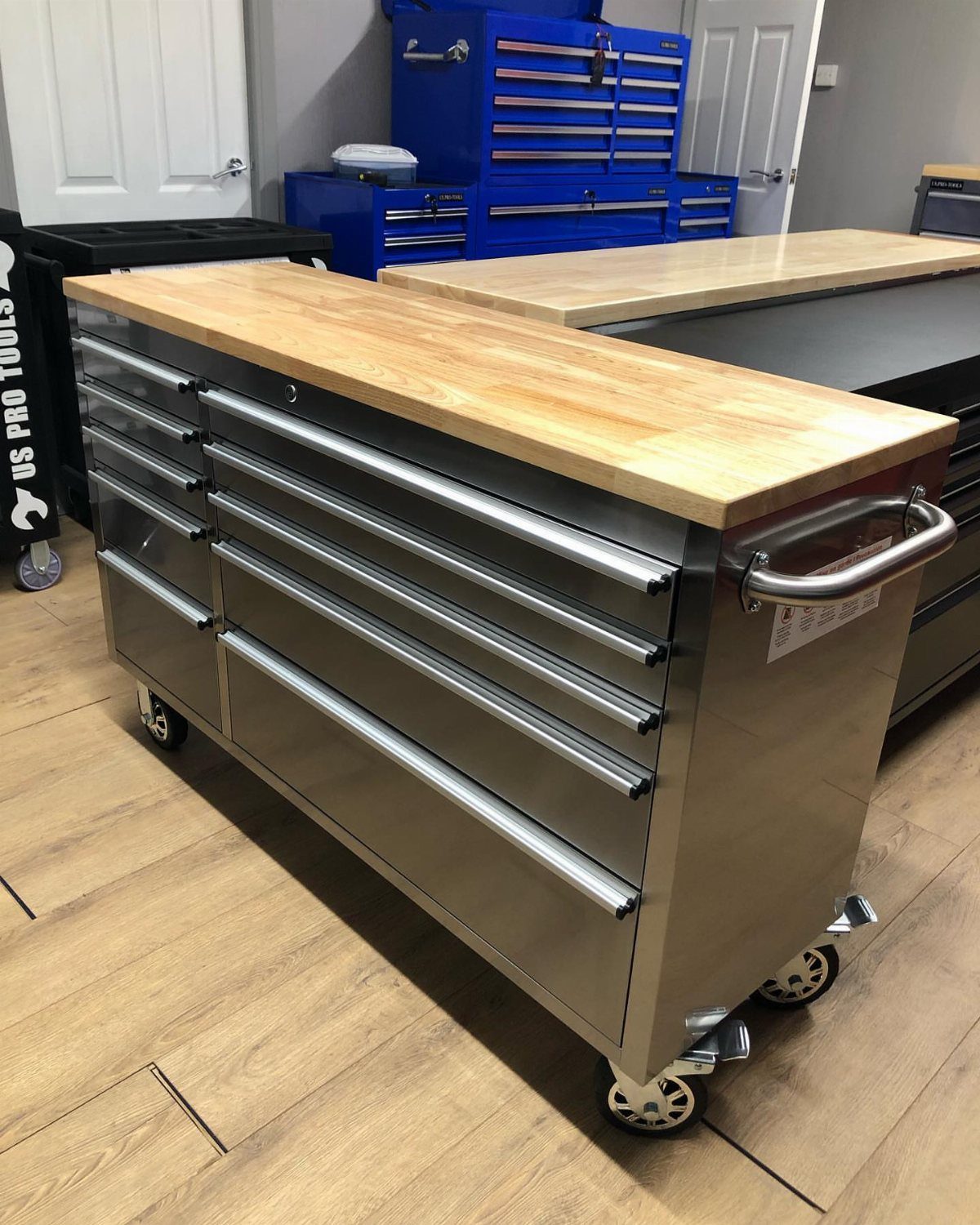
A rolling tool chest puts every hand tool in one place, and the wooden top doubles as a small work surface. Drawers keep wrenches, pliers and bits out of sight until you need them.
In a small shop, I’d pick a chest that fits under or beside the bench so the floor stays clear.
Sort drawers by job, with the shallow ones for small items. Lock the wheels before you load or lean on the top.
8. Go Mobile
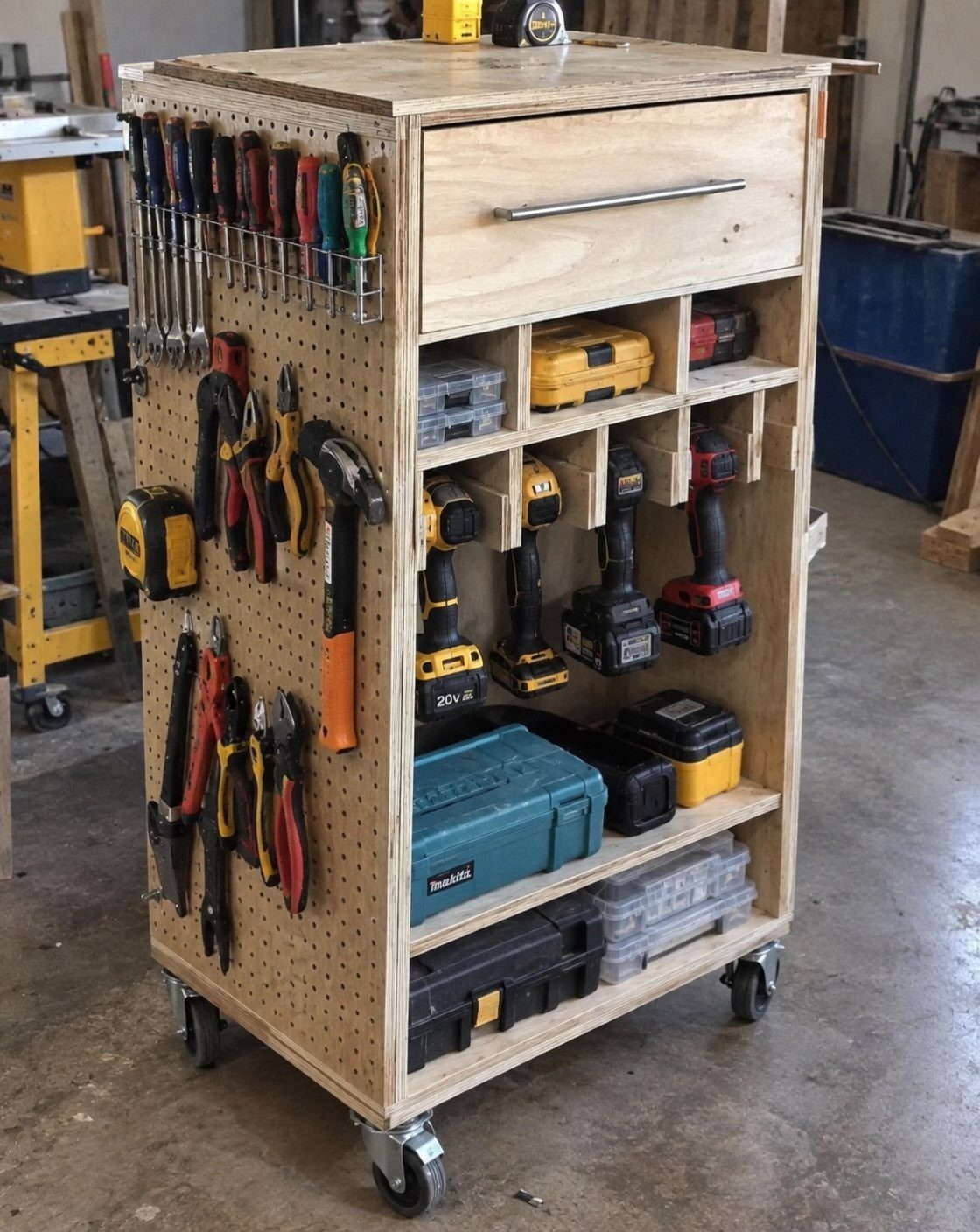
Casters under a cart let a whole station follow the project instead of the other way around. A pegboard side holds hand tools and clamps, drawers take the small items, and shelves carry the power tools.
Plywood makes a sturdy, inexpensive build.
Plan the pegboard hooks around the clamps you actually own, and keep heavy tools on the lower shelves so the cart stays steady. Pick locking casters, and lock them whenever you work at the cart.
9. Pegboard Storage
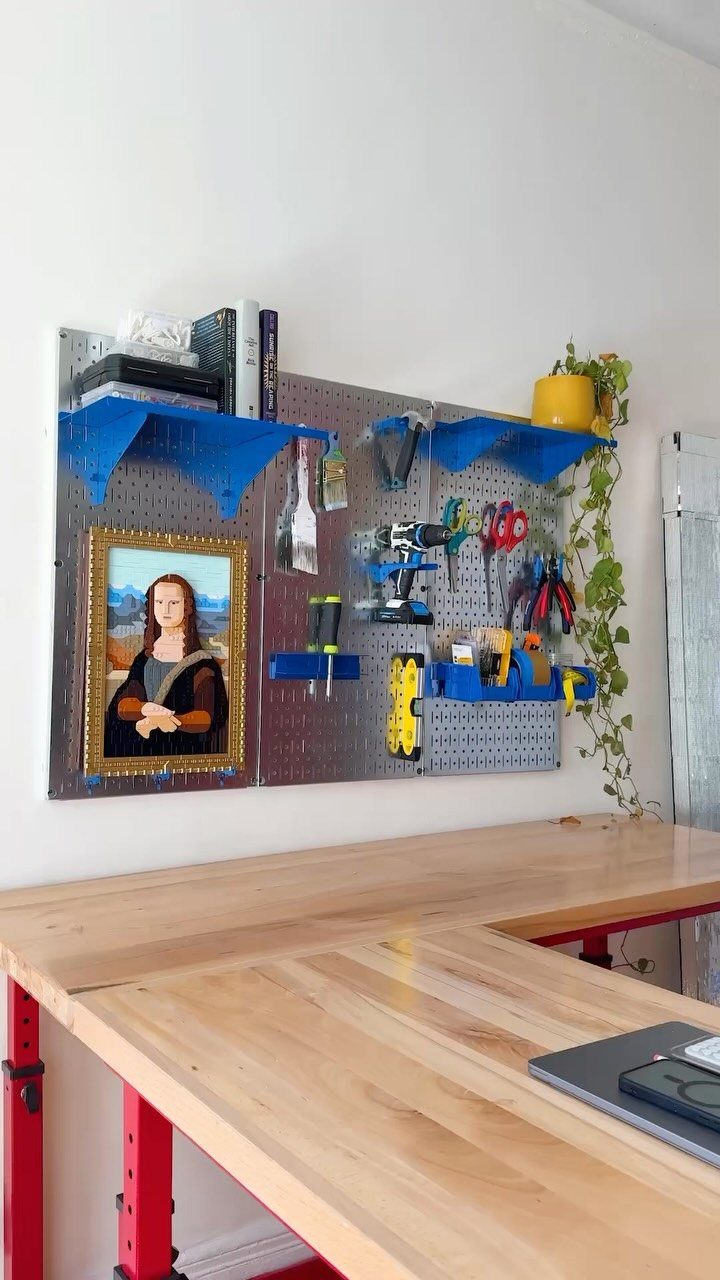
Pegboard turns a bare wall above the bench into tool storage, with every hook in plain view. Small shelves can clip or mount beside the hooks for jars and cans.
Hang the board where your arm reaches without a step. Hang the tools you grab most at eye level and trace each outline with a marker, so an empty spot shows right away what’s missing.
I’d mount it on spacers or a frame so the hooks have room behind the board.
10. Cut PVC Pipes Storage
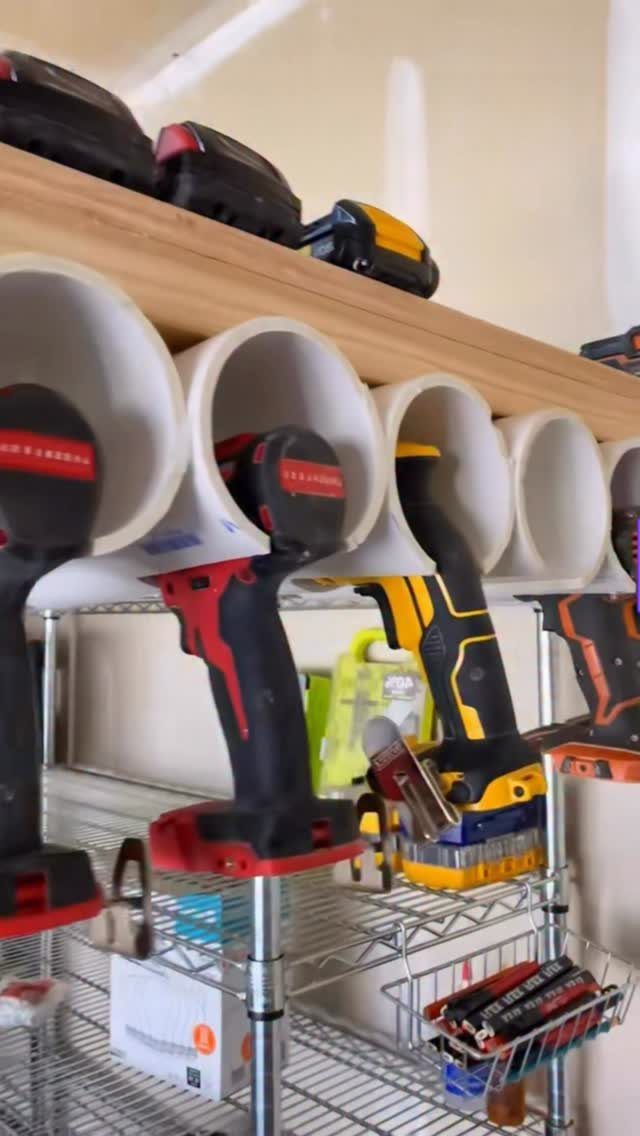
Short lengths of PVC pipe, fixed under a shelf, make cheap cradles for power drills.
Cut each piece to suit the drill it holds, and screw it to the underside of the shelf.
Space the pipes so the batteries and chucks don’t bump each other. It costs little and uses space most shops ignore.
11. Aerosol Can Storage Shelf
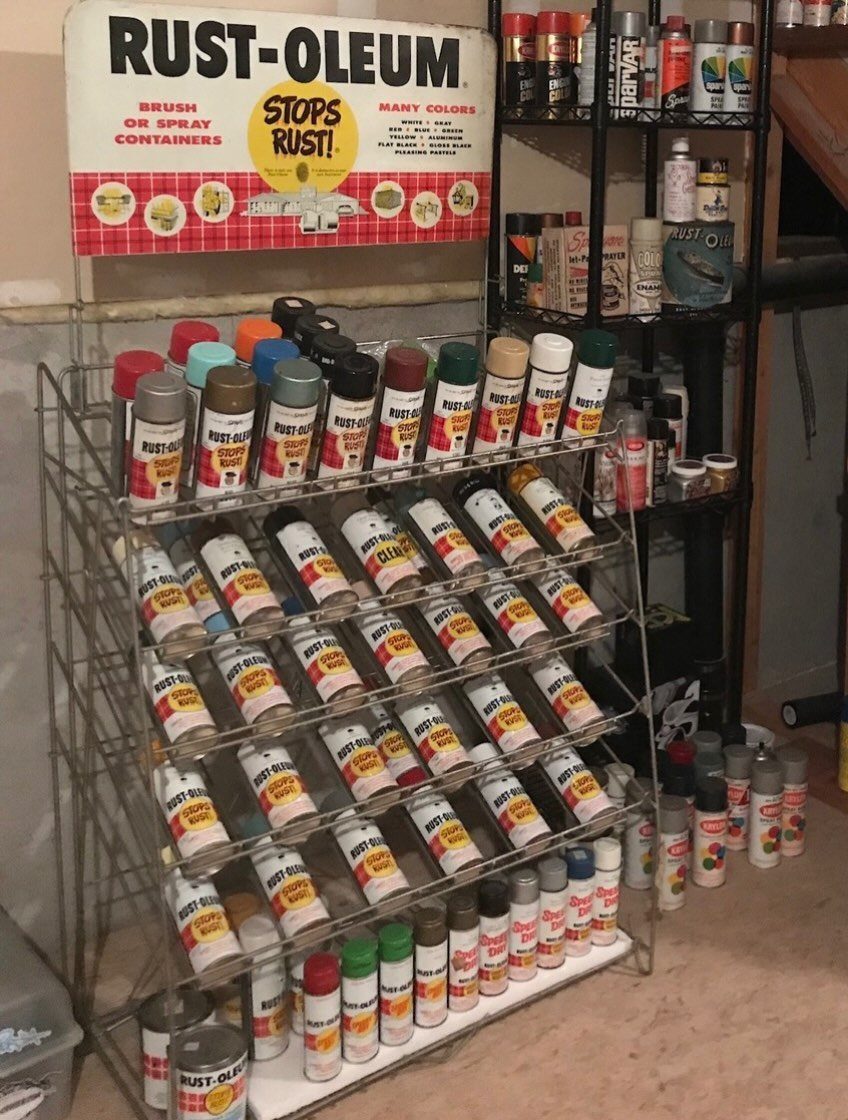
Spray cans roll, tip and hide their labels on a loose shelf, so a wire rack with open sides keeps them visible and upright. Colors and finishes can be read from the label at a glance.
Group cans by type, such as primer, color and clear coat, and keep the ones you reach for most on the front edge.
Set the rack low on a wall or on a sturdy shelf, since full cans add weight. Check labels for storage guidance.
12. Shelf Above Workbench
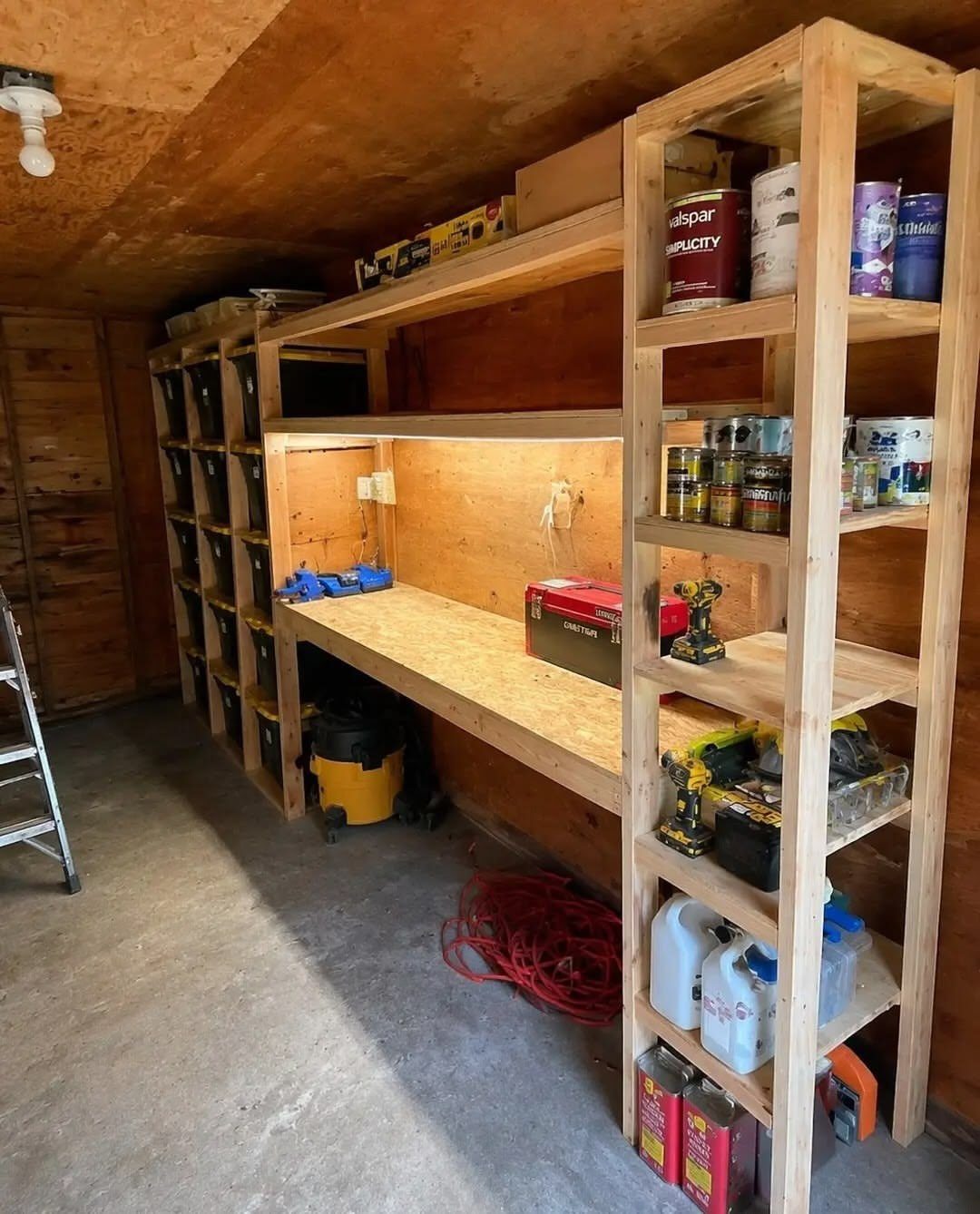
A plank shelf mounted above the workbench gives paint cans, power tools and a spare extension cord a home without taking any floor space. Reaching up beats bending down to a crowded corner.
Anchor the shelf into wall studs, because the load adds up quickly.
Keep heavier items near the ends by the brackets and light ones in the middle. I’d leave enough clearance to work comfortably beneath it, and coil cords so they don’t dangle over the bench.
Maintaining Tools
A dull blade or a loose handle causes more frustration than a messy shelf, so give your tools a quick check each time you put them away.
Wipe off dust and sap, look for chips, rust or play in a handle, and fix the small problem before it turns into a project stopper.
Tools in good shape are also easier to keep in order.
A sharp chisel and a clean saw go back to their spots because you want to use them again, while a damaged one tends to get tossed in a corner.
Pick one day a month for a short check, and keep a small tray of oil, a rag and a sharpening stone within reach so it takes minutes.
Using Color and Light
Light paint on the walls and ceiling bounces light around and makes a cramped shop feel bigger.
White or a pale neutral is the safest pick, and a bright accent color on one wall adds some cheer without crowding the room.
Lighting does even more.
Put bright fixtures directly over the bench and the main work area so shadows don’t hide your layout lines. Light that reaches into corners and shelves also helps you spot what you’re looking for.
Keep the setup simple. Pairing a light wall with good overhead light costs little, and a shop you enjoy walking into is one you’ll keep tidy.
Creative Use of Space
Look at the spots you walk past every day: rafters, the gap beside a door frame, the side of a cabinet, even the attic. Each can hold something, and none of them takes up floor space.
Overhead space suits long, light items that you rarely need. Keep heavy loads low and fasten anything overhead securely, since a falling box is a real hazard.
Boxes work well too.
Set smaller boxes inside a larger one to make dividers, and trim a box that’s too tall with a utility knife. Before you recycle a shipping box, check whether its size suits something you own.
Frequently Asked Questions
How do you make storage space in a small room?
Go vertical and put things on wheels. Pegboard, wall bins and a plank shelf above the bench use wall space that costs nothing, while a cart on locking casters lets one station roll wherever the project goes.
Overhead rafters and the narrow strip beside a door frame work for long, lightweight pieces like trim stock or dowels; anything heavy belongs closer to the floor.
What are some good ideas for tool storage in my garage?
Pegboard, a rolling cart and under-bench cabinets cover most garages.
Pegboard keeps hand tools in plain view, a cart with drawers and shelves carries power tools, and cabinets under the bench give drills and sanders a home so they leave the floor.
Pick whichever matches the tools you own, and keep heavy ones on lower shelves.
What are some ideas for organizing my workshop?
Start with pegboard, a mobile cart and a French cleat wall.
For a French cleat, I cut two strips with matching 45-degree bevels, screw one to the wall and one to the back of a holder, and the holder hangs on it and lifts off to move wherever it’s needed.
I like it best because rearranging holders beats drilling new holes whenever your tools change.
How do you organize small parts like screws and bits?
Sort them into separated containers: drawer grid inserts, labeled wall bins or a clear plastic organizer with rows of small drawers.
Give each drawer a single kind of hardware so a glance tells you what’s inside, and put labels on the ones that look alike, such as 1 1/4-inch and 1 5/8-inch screws.
Grouping parts by project or task means everything for one job comes out of the same spot.